
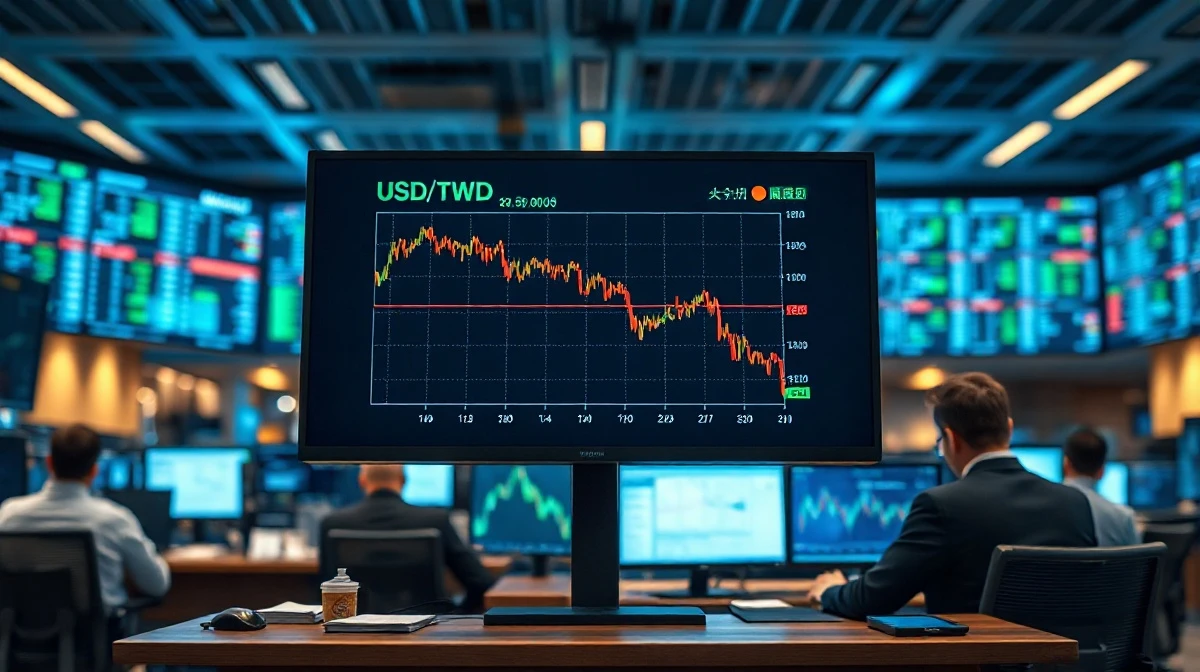
The Taiwan dollar has come under selling pressure in recent sessions, with OCBC strategists pointing to capital outflows as the primary driver rather than any fundamental shift in the island’s economic outlook. In a note published Tuesday, the bank’s FX analysis desk said the weakness is largely flow-driven, but that policy measures and a resilient export sector provide a cushion against further sharp declines.
Capital Flows, Not Fundamentals, Behind TWD Pressure
OCBC’s currency strategy team emphasized that the current depreciation in the Taiwan dollar reflects portfolio rebalancing and investor risk appetite shifts, rather than a weakening of Taiwan’s macroeconomic fundamentals. The island continues to post solid trade surpluses, supported by strong demand for semiconductors and other tech exports, which traditionally provides a structural buffer for the currency.
Also read: EUR/USD Extends Rebound Toward 1.1600 as Yield Dynamics Shift, Danske Bank Says
Central Bank Tools Remain in Play
The analysts noted that the Central Bank of the Republic of China (Taiwan) has a track record of intervening to curb excessive volatility. While the bank typically avoids targeting specific exchange rate levels, it has the capacity to smooth sharp moves through direct market operations or by adjusting liquidity conditions. This policy backstop, according to OCBC, limits the downside risk for the Taiwan dollar in the near term.
Export Sector Resilience as a Buffer
Taiwan’s export sector, particularly its dominance in advanced semiconductor manufacturing, remains a key pillar of support. The Ministry of Economic Affairs reported that export orders have held up relatively well despite global headwinds, providing a steady flow of U.S. dollar receipts that underpins the Taiwan dollar. OCBC strategists argue that as long as this structural support remains intact, the currency is unlikely to enter a sustained downtrend.
Also read: Dollar Steadies as Stocks Rally; Gold Hits 3.25-Month High on Debasement Fears
Outlook: Near-Term Caution, Medium-Term Stability
OCBC’s view suggests that while the Taiwan dollar may face continued pressure from capital flows in the short term, the combination of policy tools and economic fundamentals points to a more stable medium-term trajectory. Traders will watch for any signs of central bank intervention or shifts in global risk sentiment that could alter the flow dynamics.
Frequently Asked Questions
What is causing the Taiwan dollar to weaken?
OCBC analysts attribute the weakness mainly to capital outflows, as investors move funds to higher-yielding markets or safe-haven assets, rather than a deterioration in Taiwan’s economic fundamentals.
What kind of policy support can the Taiwan dollar expect?
Taiwan’s central bank has a history of intervening in the foreign exchange market to smooth excessive volatility, and it may adjust policy rates or use other tools to support the currency if needed.
Is the Taiwan dollar expected to weaken further?
OCBC’s analysis suggests that while flow-driven pressure may persist in the near term, the policy support and strong export sector provide a buffer that could limit further significant depreciation.

