
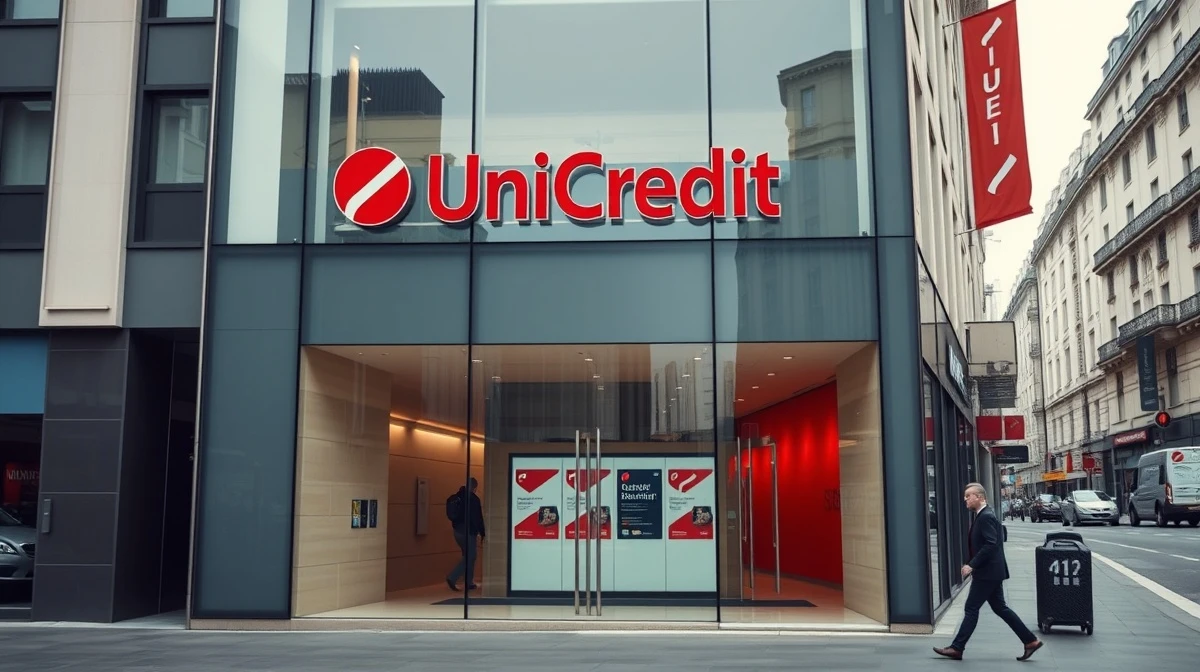
Italian banking group UniCredit has confirmed plans to sell parts of its Russian operations, a move that the bank says will reduce its profits by as much as €3.3 billion. The announcement marks one of the most significant steps by a major European lender to scale back its presence in Russia since the onset of international sanctions.
Details of the Exit Plan
UniCredit stated that the divestiture involves the sale of select assets and operations within its Russian subsidiary. The bank did not disclose the buyer or a precise timeline but indicated that the process is underway. The projected profit impact reflects the expected losses from the sale, including write-downs and currency-related adjustments. The move follows months of pressure from European regulators and shareholders to reduce exposure to Russia amid ongoing geopolitical tensions and financial restrictions.
Also read: Gold edges lower to near $4,150 as US–Iran peace uncertainty and hawkish Fed signals weigh
Broader Implications for European Banking
UniCredit is not alone in reassessing its Russian footprint. Several European banks, including Raiffeisen Bank International and Societe Generale, have taken similar steps since 2022. However, UniCredit’s decision is notable given its relatively large Russian business, which contributed significantly to its earnings in previous years. The €3.3 billion charge is among the largest single hits announced by a European bank in connection with the Russian exit. Analysts suggest that the move could signal a broader acceleration of foreign bank departures from Russia, as compliance costs and reputational risks continue to rise.
What This Means for Investors
For shareholders, the short-term earnings impact is substantial, but the long-term strategic rationale is clear. By exiting Russia, UniCredit reduces its exposure to volatile regulatory environments and potential future sanctions. The bank has emphasized that the sale is part of a broader effort to streamline its operations and focus on core European markets. Investors are likely to weigh the immediate financial pain against the benefits of a cleaner balance sheet.
Also read: Gold Answers to the Fed, Not the Fear: Rate Cut Bets Drive Rally
Conclusion
UniCredit’s decision to sell parts of its Russian business, while costly in the short term, reflects a strategic pivot away from high-risk markets. The €3.3 billion profit hit underscores the financial complexity of unwinding operations in Russia under current conditions. As other European banks continue to evaluate their positions, UniCredit’s move may serve as a benchmark for how major financial institutions handle the intersection of geopolitics and profitability.
FAQs
Q1: Why is UniCredit selling its Russian business?
UniCredit is selling parts of its Russian operations to reduce exposure to geopolitical risks, comply with international sanctions, and refocus on its core European markets. The decision follows sustained pressure from regulators and shareholders.
Q2: How will the sale affect UniCredit’s profits?
The bank expects the sale to reduce its profits by up to €3.3 billion, primarily due to asset write-downs, currency losses, and the cost of unwinding operations. This charge will be reflected in its upcoming financial reports.
Q3: Are other European banks doing the same?
Yes, several European banks have reduced or sold their Russian assets since 2022. UniCredit’s move is among the most significant in scale, and it may encourage other lenders to accelerate their own exit strategies.

