
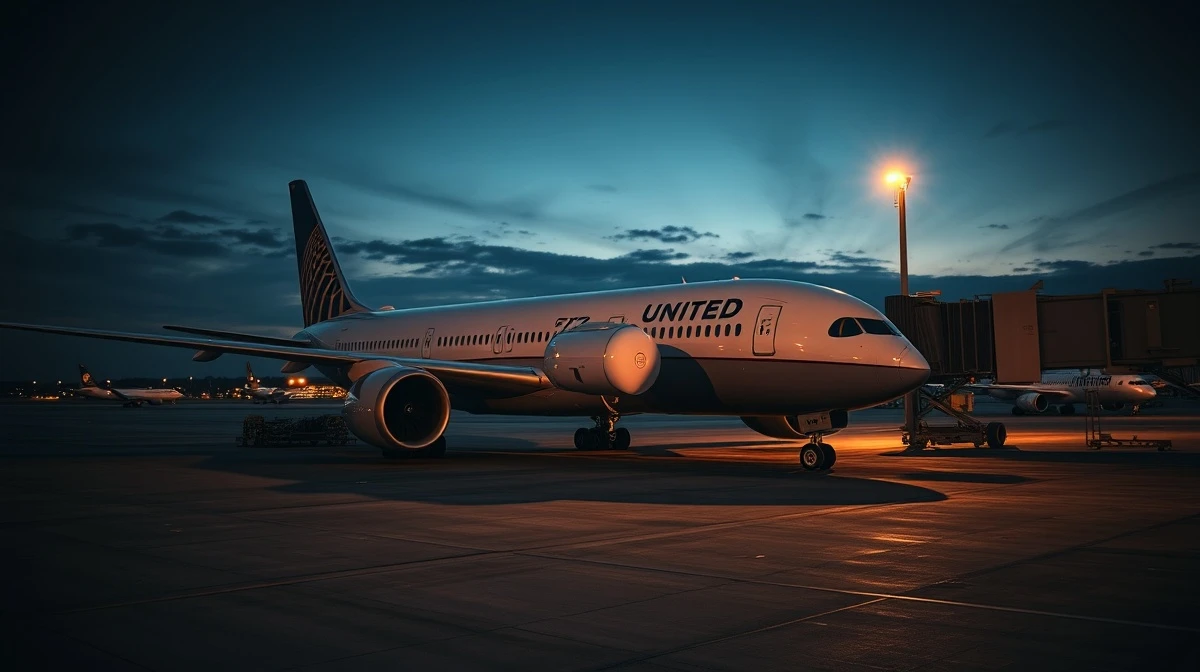
March 21, 2026 – United Airlines is significantly reducing its flight schedule in response to a sharp increase in jet fuel costs. The price surge is linked to ongoing geopolitical tensions in the Middle East, which have disrupted global energy markets.
Schedule Reductions and Route Impacts
The airline confirmed the cuts in an internal memo to staff. Industry analysts note the reductions will affect both domestic and international routes.
Flight frequencies on transcontinental and some transatlantic routes are being scaled back. The airline is also suspending service to several secondary cities. These operational changes are expected to last for the foreseeable future.
Travel data indicates a sudden drop in available United seats across major booking platforms. The move follows similar capacity adjustments by other major carriers in recent weeks.
Fuel Price Volatility
Jet fuel prices have climbed more than 40% over the past month. Market data from Platts, a leading energy pricing agency, shows the spike is directly tied to supply concerns stemming from the Iran conflict.
Aviation fuel is one of an airline’s largest operational expenses. A sustained price increase forces carriers to make rapid adjustments to remain financially viable. “Fuel is the single biggest cost driver after labor,” industry analysts note.
The volatility has made future cost projections difficult for airline financial planners. Hedging strategies employed by some carriers have provided only partial insulation from the market shock.
Broader Industry Strain
United’s decision highlights the fragility of airline profitability in the face of external shocks. The industry had been recovering from pandemic-era losses before this new crisis emerged.
Other airlines are expected to announce similar schedule rationalizations. Capacity cuts typically lead to higher fares for consumers as supply constricts.
Cargo operations are also facing pressure. Higher fuel costs are being passed through as increased freight surcharges, impacting global supply chains.
Passenger and Market Response
Passengers with existing bookings on canceled flights are being re-accommodated or offered refunds. Customer service channels are reporting high call volumes.
The announcement has affected airline stock valuations. United’s share price fell in pre-market trading following reports of the cuts. The broader airline index also trended downward.
Travel experts advise passengers to confirm their itineraries directly with the airline. They also recommend purchasing travel insurance for upcoming trips given the uncertain operational environment.
Looking Ahead
The duration of the flight reductions depends on the stability of energy markets. There is no immediate resolution in sight for the underlying geopolitical tensions driving the crisis.
Airlines are exploring operational efficiencies to mitigate the cost impact. These include optimizing flight paths and adjusting aircraft utilization. The long-term health of the aviation sector now hinges on a de-escalation of conflict and a return to stable fuel pricing. For now, reduced schedules and higher costs define the new reality for airlines and travelers alike.
For official travel advisories and updates, passengers should refer to the United Airlines website. Global fuel price benchmarks can be tracked via S&P Global Commodity Insights.
This article was produced with AI assistance and reviewed by our editorial team for accuracy and quality.



