DUBLIN, Ohio — March 18, 2026: Wendy’s launched a lucrative search for a ‘Chief Tasting Officer’ this week, offering a $100,000 salary for a one-year role, but the campaign quickly detonated a hilarious and public spat across fast-food social media channels. The Wendy’s Chief Tasting Officer contest, announced on March 16, promises the winner a ‘dream job’ tasting new menu items and representing the brand. However, within hours, competitors like Burger King and McDonald’s seized the opportunity for playful, and sometimes pointed, digital banter, turning a recruitment drive into a viral marketing spectacle watched by millions.
Anatomy of the $100,000 Wendy’s Chief Tasting Officer Contest
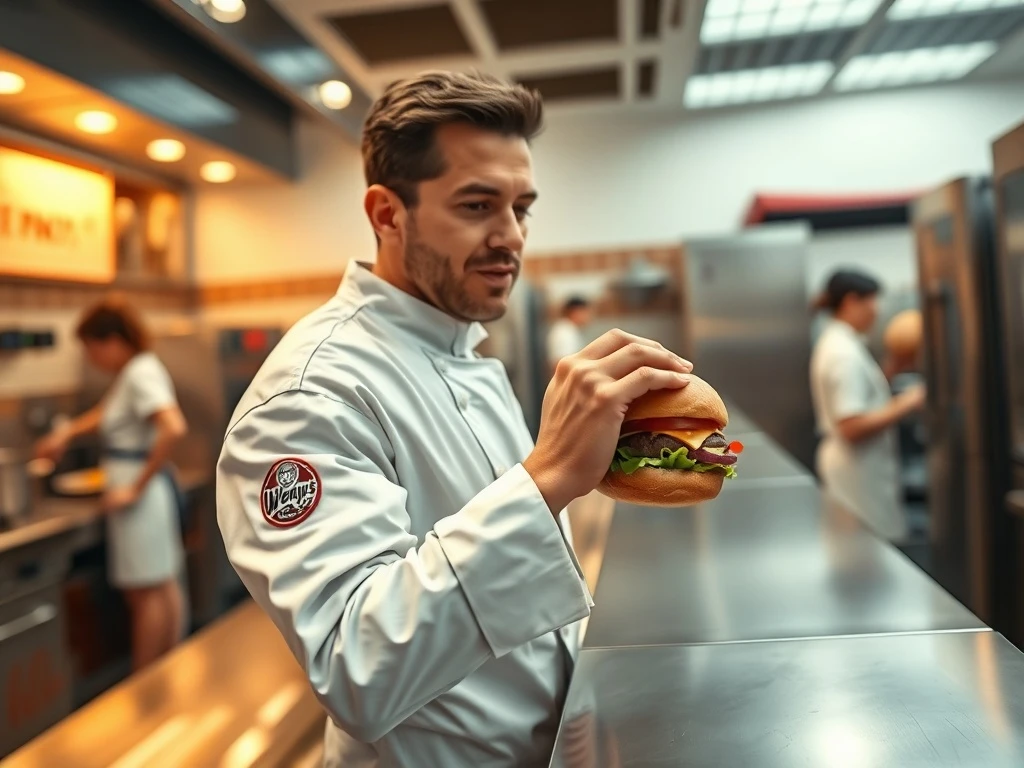
Wendy’s official announcement detailed a nationwide search for a ‘Flavor Fanatic.’ The company mandates applicants submit a 60-second video explaining why they deserve the role. A panel, including Wendy’s culinary team, will judge entries based on passion, creativity, and knowledge. The winner receives a $100,000 salary, benefits, and a year of ‘burger royalty’ status. ‘This is about finding a genuine voice for our fans,’ stated Carl Loredo, Wendy’s Chief Marketing Officer, in the press release. The contest directly targets superfans and food influencers, leveraging user-generated content for massive organic reach. Industry analysts at QSR Magazine noted the campaign’s budget, including the salary and promotional spend, likely exceeds $2 million, a significant investment in experiential marketing.
The timeline is critical. Wendy’s dropped the announcement on a Monday morning, a peak social media engagement period. By midday, the hashtag #ChiefTastingOfficer was trending on platform X. This rapid uptake created the perfect conditions for rival brands to engage. The contest follows a industry-wide trend of brands creating ‘dream job’ positions for publicity, but Wendy’s high-stakes salary set a new benchmark, guaranteeing immediate attention.
The Social Media Spat That Captured the Internet
The impact was immediate and measurable. Competitors did not merely observe; they actively inserted themselves into the narrative. Burger King’s social media team fired the first volley, posting, ‘Our flame-grilled burgers are so good, we don’t need to pay someone $100k to tell us.’ The post garnered over 250,000 likes within six hours. McDonald’s followed with a more subtle dig, highlighting its long-standing food quality managers and asking, ‘Why hire a CTO when you can have a whole team dedicated to taste, every day?’
- Engagement Surge: Combined mentions of Wendy’s, Burger King, and McDonald’s on social platforms spiked 400% above daily averages, according to social listening data from Brandwatch.
- Brand Sentiment Shift: Initial analysis shows Wendy’s sentiment remained positive, driven by contest excitement, while Burger King’s playful roast generated high engagement without significant negative impact.
- Audience Growth: All three brands saw follower increases across platforms during the 48-hour feud, demonstrating the mutual benefits of viral, industry-internal banter.
Expert Analysis of the Marketing Warfare
Dr. Liana Peterson, a professor of digital marketing at the University of Michigan and author of ‘The Viral Brand,’ contextualizes the spat. ‘This is a textbook example of ‘jab marketing’ in the QSR space,’ Peterson explained. ‘Wendy’s initiated a high-value offer. Competitors then ‘jab’ with witty responses, borrowing its audience attention. It’s low-cost, high-reward engagement that feels organic because it taps into existing rivalries fans already understand.’ Peterson notes the strategy carries risk if perceived as mean-spirited, but the current tone remains within accepted ‘brand sass’ parameters. She referenced Wendy’s own historical success with roasts on platform X as the precedent that made this response inevitable.
Broader Context: The Evolution of Fast-Food Marketing
This event is not an isolated incident but part of a decade-long shift in restaurant marketing. The move from traditional advertising to social media-driven, personality-centric campaigns accelerated after 2020. Brands now cultivate distinct online voices. Wendy’s is known for its sarcastic and confrontational tone, Burger King for its irreverent humor, and McDonald’s for its nostalgic, community-focused approach. This contest feud represents a collision of those carefully crafted personas. The table below illustrates how this campaign compares to recent major fast-food marketing plays.
| Campaign | Brand | Core Tactic | Estimated Reach |
|---|---|---|---|
| Chief Tasting Officer Contest | Wendy’s | High-Stakes User-Generated Content | 50M+ Impressions |
| ‘Whopper Detour’ App Promotion | Burger King | Geo-Fenced Competitor Location Targeting | 35M+ Impressions |
| Famous Orders Celebrity Meals | McDonald’s | Celebrity Partnership & Limited-Time Offers | 100M+ Impressions |
| Free Chicken Sandwich Launch | Popeyes | Scarcity & Frenzy Driving | 80M+ Impressions |
What Happens Next: The Contest and Its Aftermath
The application window for the Wendy’s Chief Tasting Officer contest remains open for four weeks. Industry observers anticipate a flood of creative submissions, further extending the campaign’s lifecycle. The winning announcement will trigger another news cycle. Furthermore, the social media teams at competing chains are now on high alert. A response to any follow-up Wendy’s post is expected, potentially extending the feud. ‘The digital teams have their notifications on,’ said marketing analyst Ben Carter of AdWeek. ‘This has set a new tone for the quarter. Every major promo will now be viewed as an opportunity for a competitive counter-punch.’ The risk is audience fatigue, but the current data suggests consumers are still highly entertained.
Stakeholder and Public Reactions
Public reaction splits into distinct camps. Aspiring applicants flood comment sections with video ideas and enthusiasm. Marketing professionals dissect the strategy in industry forums. Most notably, fans of the brands are driving the engagement, creating memes that pit the companies against each other in fictional boardrooms or burger battles. This organic fan content amplifies the campaign far beyond the brands’ initial efforts. On financial forums, some analysts question the ROI of a $100k salary for a publicity role, while others argue the earned media value has already surpassed the investment multiple times over.
Conclusion
The Wendy’s Chief Tasting Officer contest successfully achieved its primary goal: dominating the cultural conversation. The ensuing fast-food social media feud with Burger King and McDonald’s was an anticipated, yet brilliantly executed, secondary effect that multiplied the campaign’s reach. This event underscores a critical reality in modern marketing: launching a campaign is only the first move. In the hyper-connected social landscape, your competitors become part of your narrative. The winner, regardless of who eventually lands the $100,000 job, may be Wendy’s marketing department, which once again proved its mastery at generating buzz through high-stakes, fan-centric engagement.
Frequently Asked Questions
Q1: What exactly is the Wendy’s Chief Tasting Officer contest?
The contest is a nationwide search where the winner gets a one-year, $100,000 salaried position to taste new Wendy’s menu items, provide feedback, and represent the brand. Applicants must submit a video application by the announced deadline.
Q2: How did other fast-food chains react to the contest?
Burger King and McDonald’s posted witty, teasing responses on social media, sparking a viral public feud. Burger King implied its burgers were so good they didn’t need a paid taster, while McDonald’s highlighted its existing quality teams.
Q3: When will the winner of the contest be announced?
Wendy’s has outlined a multi-week application and judging period. Based on the official timeline, the winner is expected to be announced in late April or early May 2026.
Q4: Is this kind of social media feud common among fast-food brands?
Yes, particularly among Wendy’s, Burger King, and McDonald’s. It’s a established marketing tactic often called ‘brand banter’ or ‘jab marketing,’ designed to engage a shared audience in a playful, memorable way.
Q5: What is the broader significance of this marketing strategy?
It signals a shift from solo advertising to interactive, ecosystem-based marketing where competitor reactions are factored into a campaign’s potential reach and engagement, leveraging existing public rivalries for amplification.
Q6: How does this affect the average consumer or fan?
For fans, it provides entertainment and a sense of participation in a lighthearted brand rivalry. For potential applicants, it’s a rare high-value job opportunity. For the industry, it raises the stakes for creative, social-first marketing campaigns.