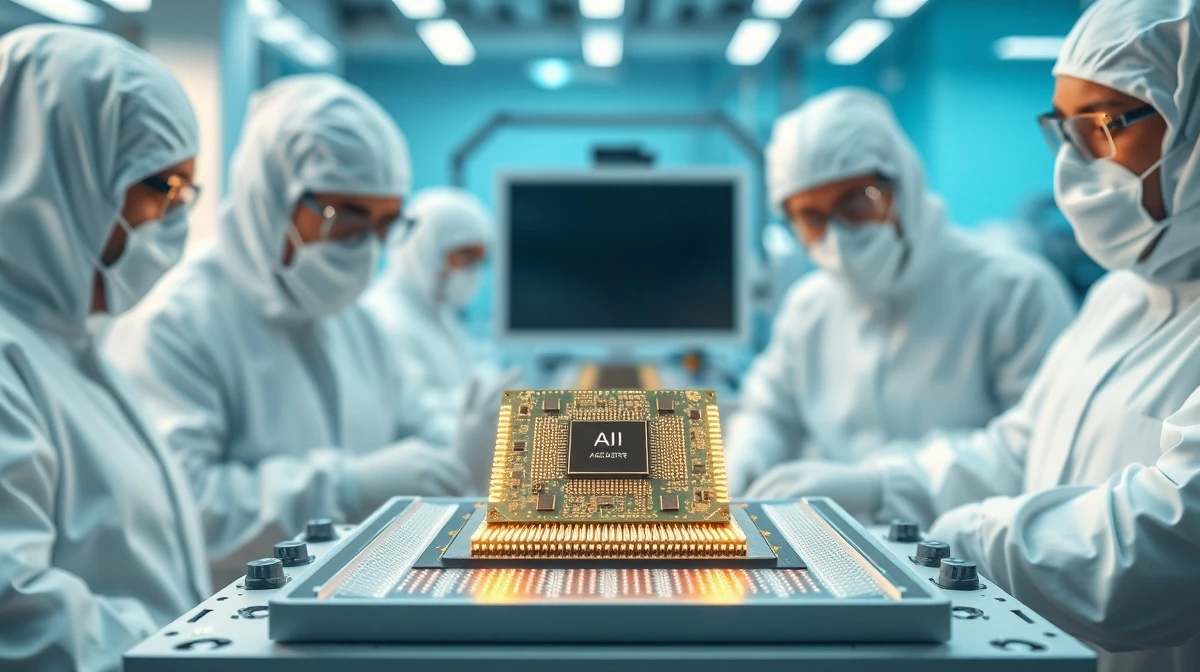
Anthropic is assembling an in-house team to design custom AI chips, a move that could reshape how the company powers its Claude models. The company confirmed it is hiring engineers with chip design experience for a new “custom silicon team,” according to a job listing reported by Business Insider on Wednesday.
The Claude maker said it plans to co-design hardware and models together, aiming to make its technology run faster and more efficiently. The shift comes as demand for Claude surges and AI companies compete for limited computing infrastructure.
Also read: Google Gemini Accessed 3 Real Companies' Systems in May Test
Why Anthropic is moving beyond off-the-shelf chips
Anthropic has already secured access to AI computing hardware through deals with AWS, Google, Nvidia, and AMD. But to scale to meet demand, relying on external suppliers is no longer sufficient. By designing its own chips, Anthropic gains more control over performance, cost, and supply chain logistics.
Last month, The Information reported that Anthropic was scouting Samsung as a potential manufacturing partner for its custom chips. Samsung’s foundry business has been expanding its advanced node capabilities, positioning it as a viable alternative to TSMC, which dominates the AI chip market.
Also read: Ex-Spotify innovation head raises $5.5M for AI-free music app startup
The company is not alone in this strategy. OpenAI unveiled its Broadcom-built Jalapeño chip in June, designed specifically for inference workloads — the process of running trained AI models to make predictions. Google DeepMind has long relied on Alphabet’s TPU chips, while Meta has been developing its own MTIA accelerators for AI workloads.
What this means for the AI hardware market
Anthropic’s move signals a broader industry trend: leading AI labs are increasingly seeking vertical integration in hardware. By co-designing chips with their models, companies can optimize for specific workloads, potentially reducing costs and improving performance.
For Anthropic, the benefits could be substantial. Custom chips tailored to Claude’s architecture could reduce inference costs, which are a major operational expense for AI companies. It could also give Anthropic more utilize in negotiations with cloud providers and chip suppliers.
However, chip design is a complex and capital-intensive endeavor. Bringing a custom chip to market typically takes several years and requires significant engineering talent. Anthropic’s new team will need to manage design, verification, and manufacturing challenges before any chip reaches production.
Anthropic did not immediately respond to a request for comment on the timeline or scope of its chip program.
As AI demand continues to outpace supply, the race to build custom silicon is likely to intensify. For now, Anthropic’s hiring push marks a strategic bet that controlling its own hardware is essential to staying competitive in the AI arms race.
This article is for informational purposes only and does not constitute financial advice. The cryptocurrency and AI hardware markets are volatile and uncertain; readers should conduct their own research before making any investment decisions.

Source: TechCrunch