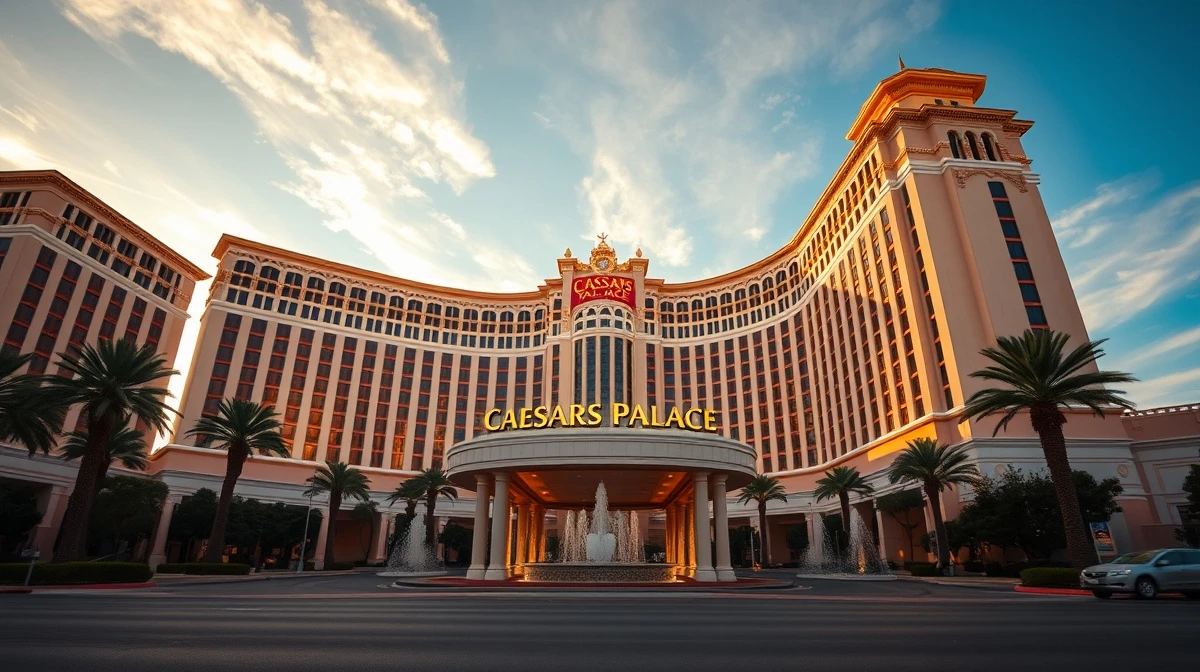
The owner of the NBA’s Houston Rockets and the Keens Steakhouse chain is moving closer to acquiring one of the most recognizable names on the Las Vegas Strip. Tilman Fertitta, the billionaire hospitality magnate, has secured financial backing from a group of major banks to support his pursuit of Caesars Entertainment, according to people familiar with the matter.
Financing Lines Up for a Landmark Deal
Multiple lenders have expressed willingness to provide the debt financing necessary for a potential buyout of Caesars, which operates more than 50 casino and resort properties across the United States. The banks involved have not been publicly named, but sources indicate they include several large institutions with existing relationships in the gaming and hospitality sectors. The deal, if completed, would rank among the largest leveraged buyouts in the gaming industry’s history.
Also read: US insurance rulemaker suspends investment risk designations after cyber attack
Fertitta, who built his fortune through Landry’s, a restaurant and entertainment conglomerate, has long been viewed as a natural suitor for Caesars. His portfolio already includes the Golden Nugget casinos in Las Vegas, Laughlin, and Atlantic City, giving him direct operational experience in the gaming market. Acquiring Caesars would transform Fertitta into the dominant force on the Strip, combining his existing assets with Caesars’ portfolio of properties including Caesars Palace, Harrah’s, and the Flamingo.
Why This Deal Matters for the Casino Industry
The potential acquisition comes at a time when Las Vegas is experiencing a post-pandemic rebound in tourism and convention traffic. Caesars, which emerged from bankruptcy in 2017 and later merged with Eldorado Resorts in 2020, has been working to reduce its debt load while investing in its properties. A Fertitta takeover could accelerate those plans, given his reputation for hands-on management and cost discipline.
Also read: How to Surf Turbulent Markets: A Guide for Investors
Industry analysts note that Fertitta’s bid faces several hurdles. Caesars’ current market capitalization exceeds $8 billion, and any deal would likely require a significant premium to win board approval. Regulatory scrutiny from state gaming commissions in Nevada, New Jersey, and other jurisdictions would also be extensive. Additionally, Caesars has a complex capital structure with multiple classes of debt and equity, which could complicate negotiations.
What a Fertitta-Owned Caesars Would Look Like
If successful, Fertitta would gain control of a company with a dominant presence in Las Vegas and regional markets. His management style, honed through decades of running Landry’s and the Rockets, emphasizes operational efficiency and brand consistency. Observers expect he would focus on streamlining Caesars’ corporate overhead, refreshing aging properties, and applying cross-promotional opportunities between his restaurant brands and the casino resorts.
However, the deal is far from certain. Caesars’ board has not publicly commented on Fertitta’s approach, and the company may prefer to remain independent or pursue alternative strategic options. Shareholders will also have a say, particularly if the offer price is perceived as too low.
Conclusion
Tilman Fertitta’s bid for Caesars Entertainment represents one of the most consequential potential transactions in the gaming industry this decade. With bank financing now in place, the next phase of negotiations will test whether the billionaire can overcome regulatory, financial, and board-level obstacles. For Las Vegas, the outcome could reshape the competitive market of the Strip for years to come.
FAQs
Q1: Who is Tilman Fertitta?
Tilman Fertitta is a billionaire entrepreneur and owner of the NBA’s Houston Rockets. He built his wealth through Landry’s, a hospitality conglomerate that owns restaurants, hotels, and casinos including the Golden Nugget.
Q2: Why is Fertitta interested in buying Caesars?
Fertitta already operates several casinos and sees Caesars as a complementary asset that would give him a dominant position on the Las Vegas Strip and in regional gaming markets. The acquisition would also allow him to integrate his restaurant brands into Caesars properties.
Q3: What are the main obstacles to the deal?
The deal requires regulatory approval from multiple state gaming commissions, financing from banks, and agreement from Caesars’ board and shareholders. The company’s complex capital structure and high valuation also present challenges.