
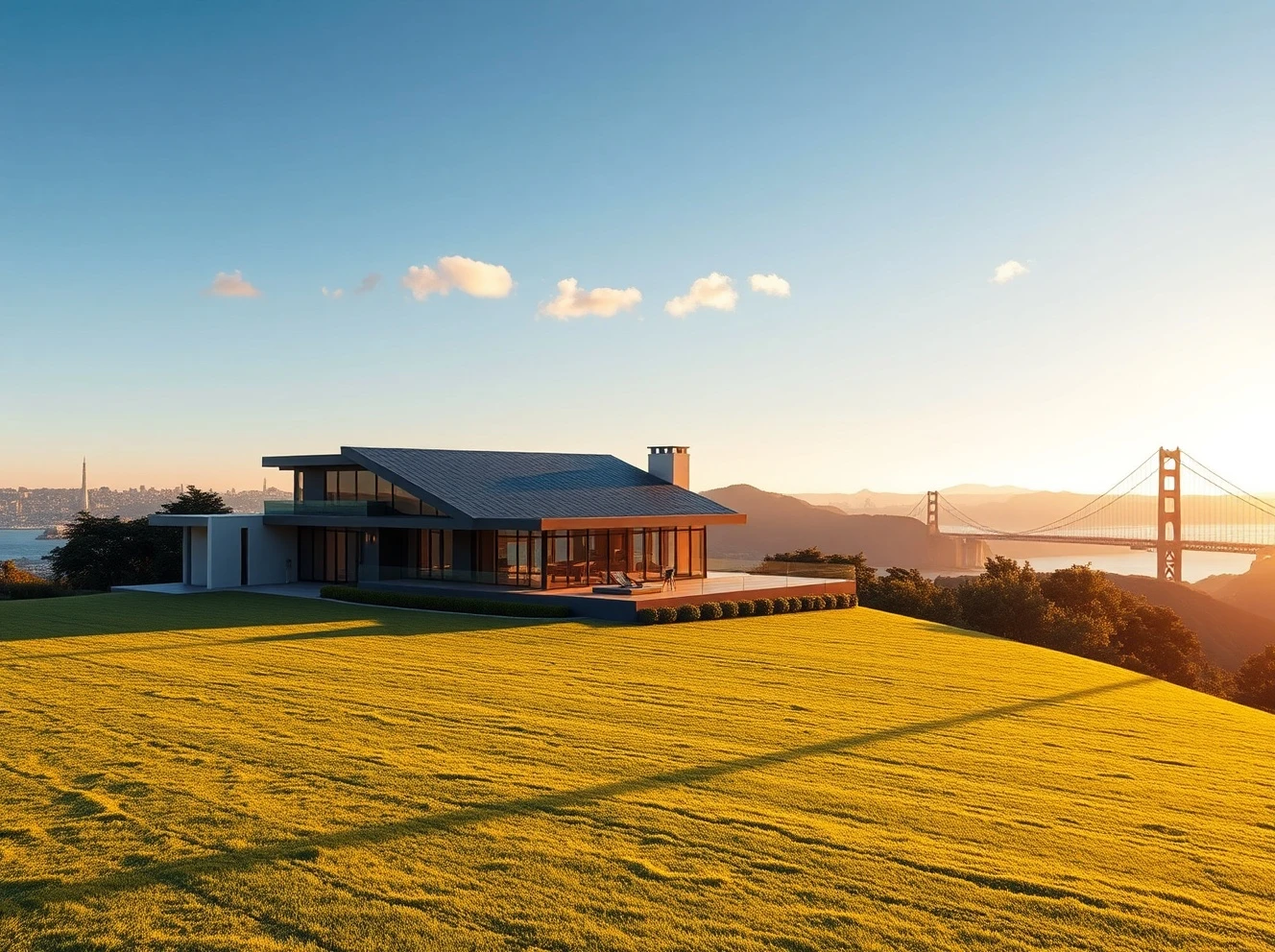
The rapid expansion of generative artificial intelligence, spearheaded by the success of OpenAI’s ChatGPT, is reshaping the Bay Area’s luxury real estate market. A wave of newly minted wealth from the AI sector is driving a surge in high-end home purchases, bidding wars, and price appreciation in the region’s most desirable neighborhoods.
AI Wealth Fuels a New Wave of Buyer Demand
The recent funding rounds and public offerings of AI companies have created a significant cohort of newly wealthy buyers. These individuals, often founders, early employees, and top-tier engineers, are competing for a limited inventory of luxury properties. Real estate agents report a noticeable uptick in all-cash offers and transactions exceeding $5 million, particularly in San Francisco, Palo Alto, and Atherton.
Also read: Hedge Fund Pentwater to Pay Avis $650 Million in Settlement Over Stock Trading Claims
San Francisco’s Market Rebounds on Tech Optimism
After a period of stagnation during the pandemic, San Francisco’s luxury housing market is experiencing a strong rebound. Neighborhoods such as Pacific Heights, Presidio Heights, and Noe Valley are seeing multiple offers on properties listed above $3 million. The influx of AI-related capital is not only stabilizing prices but also pushing them to new highs in some pockets of the city.
Impact on Inventory and Pricing
The luxury segment is facing a pronounced supply shortage. Many potential sellers are hesitant to list their homes due to favorable mortgage rates secured in previous years, further constraining inventory. This imbalance is placing upward pressure on prices. According to local market data, the median sale price for luxury homes in the Bay Area has risen by double-digit percentages year-over-year, outpacing the national average.
Also read: Shareholder lawsuit accuses Uber board of ignoring safety failures, putting profits first
Why This Matters for Buyers and Sellers
For prospective buyers, the market is increasingly competitive, requiring strong financial pre-approvals and rapid decision-making. For sellers, the current climate presents a favorable opportunity to capitalize on high demand. However, experts caution that the market remains sensitive to shifts in the tech sector’s performance and broader economic conditions. The concentration of wealth from a single industry—AI—also raises questions about long-term market stability.
Conclusion
The ChatGPT boom is more than a technological milestone; it is a significant economic force reshaping one of the nation’s most expensive real estate markets. While the frenzy offers opportunities for sellers and agents, it underscores the growing influence of AI wealth on the Bay Area’s housing field. As the sector evolves, its impact on real estate will likely continue to be a key trend to watch.
FAQs
Q1: How is the ChatGPT boom affecting the Bay Area housing market?
The boom is creating a surge in demand for luxury homes, driven by newly wealthy AI professionals, leading to bidding wars, higher prices, and a shortage of available high-end properties.
Q2: Which areas are most impacted by the AI-driven housing demand?
San Francisco neighborhoods like Pacific Heights and Presidio Heights, along with Silicon Valley towns such as Palo Alto and Atherton, are experiencing the most significant activity in the luxury segment.
Q3: Is this trend sustainable?
While the current demand is strong, the market’s dependence on the AI industry’s performance introduces risk. A downturn in the tech sector or a shift in remote work policies could alter the trajectory.

