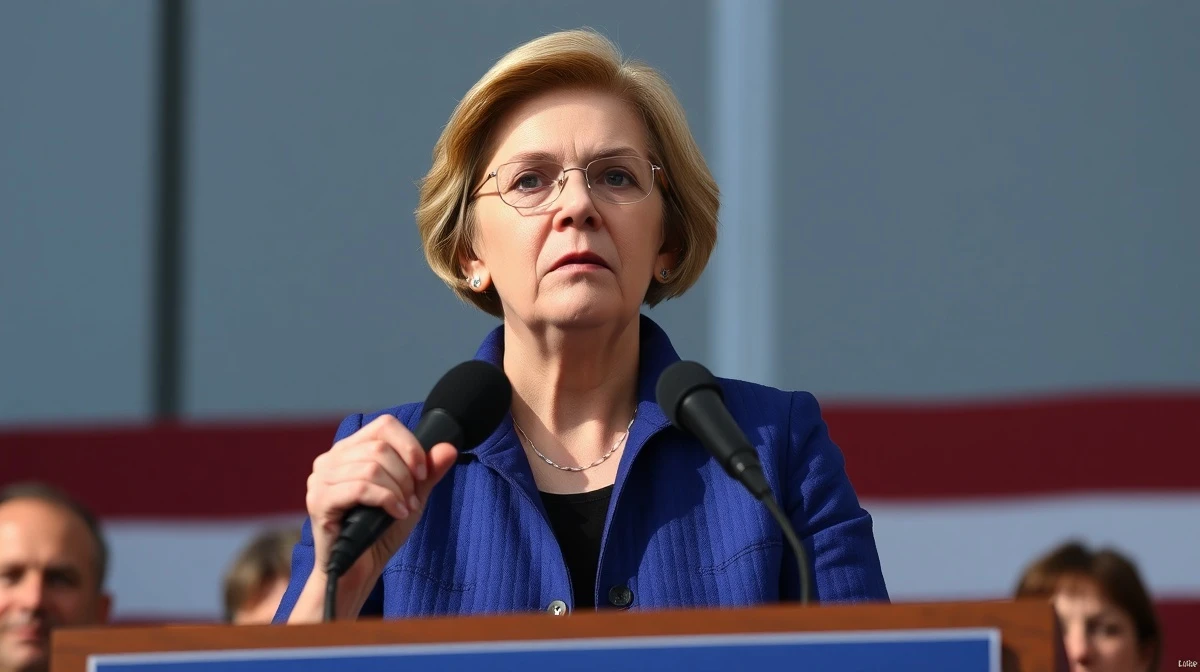
WASHINGTON, D.C. — May 3, 2026 — Senator Elizabeth Warren is facing sharp criticism after cheering the blocked merger between JetBlue Airways and Spirit Airlines. The deal, valued at $3.8 billion, was scrapped in January after a federal judge ruled it violated antitrust law.
Warren, a Massachusetts Democrat, celebrated the ruling as a win for consumers. She posted on social media that the merger would have led to higher fares and fewer choices. But critics argue her stance may have pushed Spirit closer to financial collapse.
Also read: Hedge Fund Pentwater to Pay Avis $650 Million in Settlement Over Stock Trading Claims
Spirit Airlines has been struggling since the merger fell through. The carrier reported a $1.2 billion loss in 2025 and is now exploring bankruptcy options. Industry watchers note that the merger could have provided the capital needed to stabilize operations.
The Backlash Intensifies
Warren’s comments drew immediate pushback from analysts and investors. They say she ignored the financial realities facing low-cost carriers. Spirit’s stock has fallen 85% since the ruling, erasing billions in market value.
Also read: Shareholder lawsuit accuses Uber board of ignoring safety failures, putting profits first
“This is a case where ideology trumped pragmatism,” said a market analyst at Raymond James. “The merger wasn’t perfect, but it was a lifeline. Now Spirit is on life support.”
Warren’s office defended her position. A spokesperson said the senator “stands with working families against corporate consolidation that drives up prices.” But that message is losing traction as Spirit’s troubles deepen.
Spirit’s Financial Tailspin
Data from the company’s latest SEC filing shows Spirit had $3.1 billion in debt at the end of 2025. Its cash reserves have dwindled to just $450 million. The airline is burning through $100 million per month.
Spirit has already cut 30% of its routes and laid off 2,000 employees. It is now in talks with creditors to restructure its debt. Without a deal, bankruptcy could come within months.
The implication is clear: blocking the merger may have saved consumers from higher fares in the short term. But it may also have sealed Spirit’s fate.
What This Means for Investors
Investors are now watching Spirit’s next moves closely. The airline has hired restructuring advisors from Lazard. A Chapter 11 filing could wipe out existing shareholders.
Some analysts say Warren’s antitrust stance needs recalibration. They argue that blocking mergers without considering the consequences can backfire. “You can’t just say ‘no’ to every deal,” said a professor of antitrust law at Georgetown University. “Sometimes a merger is the only option.”
Warren has not responded to the latest criticism. But the political fallout may be just beginning.
Industry Impact
The collapse of the JetBlue-Spirit deal has sent ripples through the airline industry. Other carriers are now more cautious about pursuing mergers. The Justice Department’s aggressive antitrust enforcement under the Biden administration has created uncertainty.
For consumers, the loss of Spirit could mean fewer ultra-low-cost options. Spirit’s business model relied on bare-bones service and add-on fees. If it disappears, prices on certain routes could rise.
What’s next: Spirit’s board is expected to decide on a restructuring plan within 60 days. The outcome will test whether Warren’s victory was a win for consumers or a costly miscalculation.