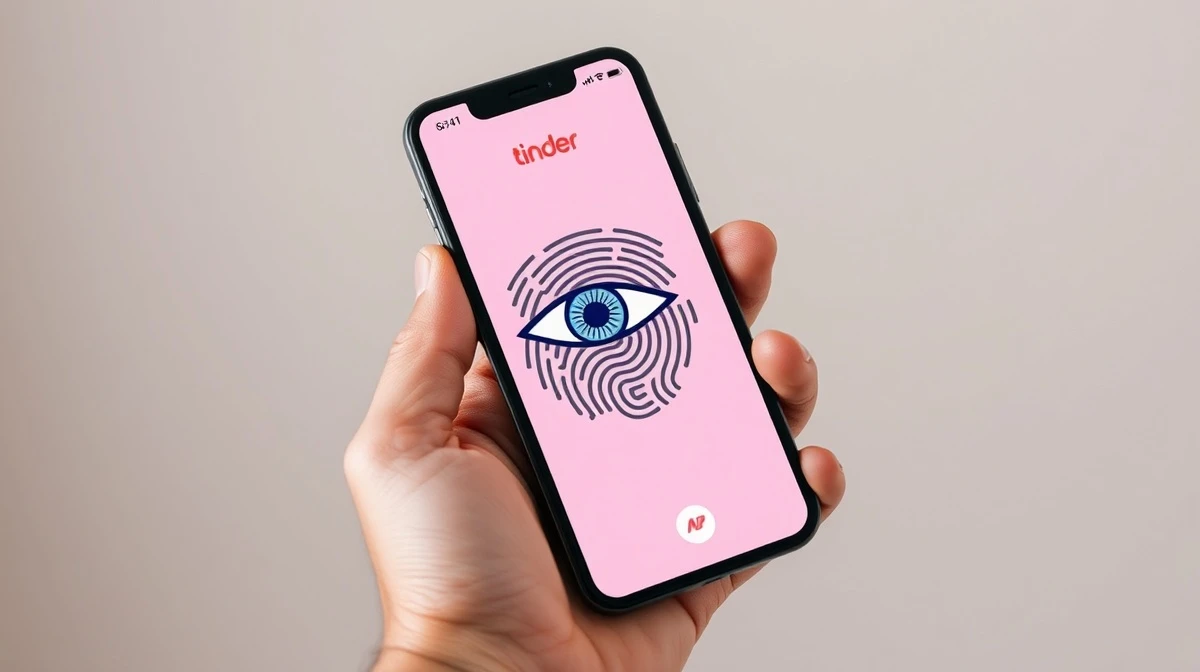
April 19, 2026 — Tinder is deploying a new weapon in its fight against fake profiles. The popular dating app has begun testing eye-scanning technology to verify that users are real people. This move directly targets the automated bot accounts that fuel romance scams.
According to a company statement, the feature is in a limited trial phase. It asks select users to complete a brief eye-scan verification. The goal is to create a more reliable method for distinguishing human users from software programs. Tinder’s parent company, Match Group, has faced increasing pressure to improve safety across its portfolio of dating services.
Also read: Defense tech is flooded with money, but who’s built to last?
The Scale of the Problem
Romance scams are a costly and growing issue. The Federal Trade Commission (FTC) reported that consumers lost a staggering $1.3 billion to romance scams in 2023. While not all these scams originate on dating apps, the platforms are a primary hunting ground for fraudsters.
Bots are a key tool. They can mass-create profiles, send phishing links, and engage in conversations to build false trust. Traditional verification methods, like phone numbers or social media links, can be circumvented. Industry analysts note that a more reliable biometric check could be a significant deterrent. This suggests a shift toward treating platform security as a core feature, not just an add-on.
Also read: Cruise Giants Face $440M Liability After Supreme Court Rules on Seized Cuban Property
How the Technology Works
The test uses liveness detection. This technology analyzes minute details in a user’s eyes to confirm the presence of a living person. It is designed to be fast, requiring only a few seconds. A successful scan would grant the account a verified badge.
Data from cybersecurity firms shows that advanced bots can now bypass simple photo or video checks. Liveness detection that focuses on the eye’s unique vasculature patterns is harder to spoof. The implication is clear: as fraud techniques evolve, verification must become more sophisticated.
“User safety is our top priority,” a Tinder spokesperson said in the release. “We are exploring advanced technologies, including biometric verification, to help reduce spam and create a more trustworthy environment.”
Privacy and Adoption Hurdles
This approach is not without controversy. Biometric data is highly sensitive. Tinder states that the eye-scan data is processed securely and not stored for identification purposes beyond the verification event. However, privacy advocates remain cautious.
Organizations like the Electronic Frontier Foundation (EFF) have long warned about the risks of normalizing biometric collection. The concern is that once the infrastructure exists, its use could expand in ways users did not initially consent to.
There is also a question of user willingness. Will people scan their eyes to use a dating app? The success of the test may hinge on whether Tinder can effectively communicate the safety benefit. If the feature rolls out widely, it could set a new standard for accountability on social platforms.
A Broader Industry Trend
Tinder is not alone in seeking stronger verification. Other social networks and online marketplaces are investing in similar tools. The drive is partly regulatory. Authorities in multiple jurisdictions are pushing for platforms to take more responsibility for fraudulent activity occurring on their services.
What this means for users is a potential trade-off. Enhanced security could mean surrendering more personal data. For investors, it signals that major tech companies are treating trust and safety as critical operational costs. This could signal a new phase where biometric checks become commonplace for accessing certain online services.
The final decision on a full rollout will depend on the trial’s results. Tinder will assess accuracy, user feedback, and the system’s impact on reducing bot-related reports. For now, the eye scan represents one of the most direct technological responses yet to the persistent problem of online dating fraud.