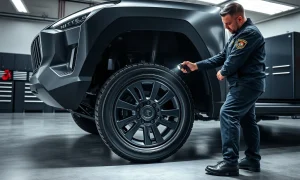
Stellantis, the multinational automotive giant formed through the merger of Fiat Chrysler Automobiles and PSA Group, has unveiled a sweeping $70 billion turnaround strategy aimed at revitalizing its global operations. The plan, announced on [date], includes the launch of 60 new models by 2030, with a strong emphasis on electrification, cost reduction, and market expansion.
A comprehensive roadmap for recovery
The strategy, dubbed “Dare Forward 2030,” outlines Stellantis’s ambition to become a leader in sustainable mobility. The company plans to invest heavily in electric vehicle (EV) technology, with a target of achieving 100% battery electric vehicle (BEV) sales in Europe and 50% in the United States by the end of the decade. The 60 new models will span all of Stellantis’s 14 brands, including Jeep, Ram, Peugeot, Citroën, and Fiat, with a focus on high-volume segments like SUVs, pickups, and compact cars.
Also read: Costco Recalls Popular Patio Swings After Injuries Linked to Fall Hazard
Financial and operational targets
Stellantis expects the plan to generate significant cost savings, aiming for €5 billion in annual synergies by 2025. The company also projects double-digit adjusted operating income margins through 2030, supported by platform consolidation and shared component strategies. Key initiatives include the development of four dedicated EV platforms, each designed to underpin multiple models across different brands, reducing engineering costs and time to market.
Market implications and competitive space
The announcement comes as the global automotive industry faces intense pressure to transition to electric powertrains, driven by regulatory mandates and shifting consumer preferences. Stellantis’s plan positions it to compete directly with rivals like Tesla, Volkswagen, and General Motors, all of which have announced ambitious EV roadmaps. However, Stellantis faces unique challenges, including a legacy of underinvestment in EV technology and a fragmented brand portfolio that requires careful management to avoid cannibalization.
Also read: End of an Era: One of America’s Oldest Beer Brands Discontinued After 177 Years
Industry analysts have noted that the success of the plan hinges on execution, particularly in supply chain management and battery production. Stellantis has secured partnerships with battery manufacturers, including a joint venture with LG Energy Solution and Samsung SDI, to ensure adequate supply for its EV targets. The company also plans to build five gigafactories in North America and Europe by 2030.
Conclusion
Stellantis’s $70 billion turnaround strategy represents one of the most ambitious corporate restructuring efforts in the automotive sector. While the plan offers a clear path forward, its success will depend on the company’s ability to manage supply chain disruptions, manage brand transitions, and meet evolving consumer expectations. For investors and industry watchers, the next few years will be critical in determining whether Stellantis can transform from a legacy automaker into a leader in the electric era.
FAQs
Q1: What is the core focus of Stellantis’s turnaround strategy?
The strategy centers on electrification, with 60 new models planned by 2030, including a major shift to battery electric vehicles (BEVs) in Europe and the U.S.
Q2: How much is Stellantis investing in this plan?
Stellantis has committed $70 billion (approximately €65 billion) through 2030, covering EV development, battery production, and platform consolidation.
Q3: Which brands are included in the new model rollout?
All 14 Stellantis brands, including Jeep, Ram, Peugeot, Citroën, Fiat, Opel, and Alfa Romeo, will benefit from the new models, with a focus on high-volume segments.