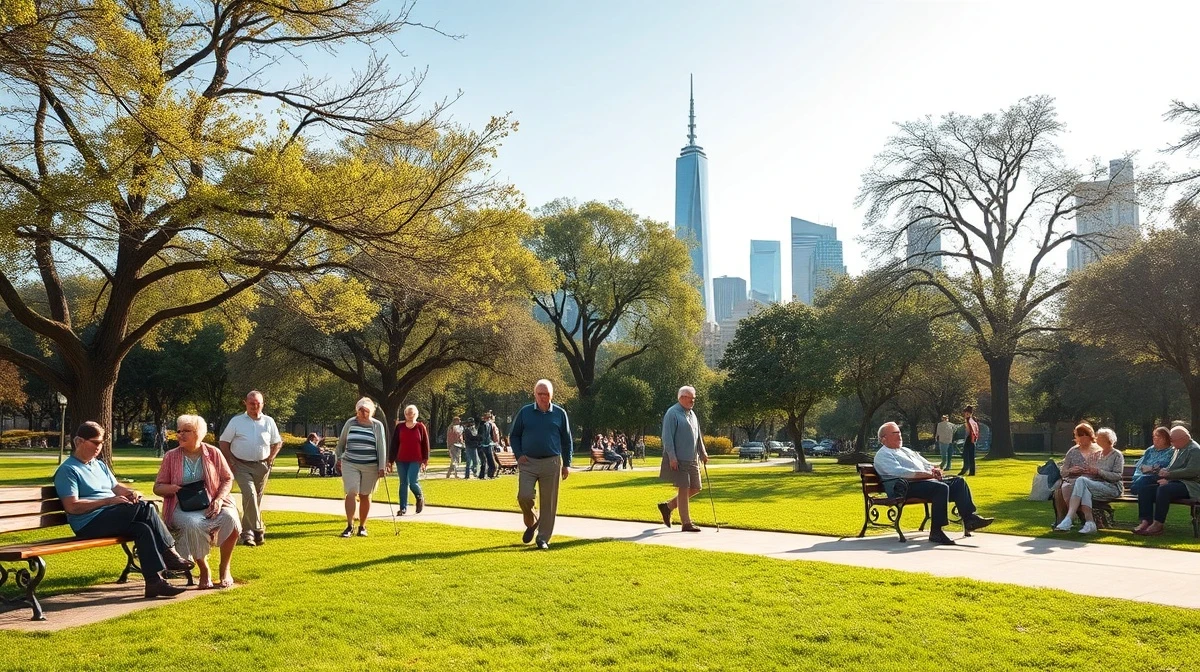
Choosing where to retire is one of the most consequential financial and lifestyle decisions many people will make. The ideal city balances low living costs with quality healthcare, social opportunities, and a pleasant climate. After analyzing cost-of-living indexes, healthcare access, crime rates, and resident surveys, five cities consistently emerge as top contenders for retirees seeking that sweet spot.
What Makes a City Retiree-Friendly?
Retirement planning goes beyond sunshine and low taxes. Key factors include proximity to accredited medical facilities, affordable housing options, public transportation or walkability, and a community that welcomes older adults. Cities that score well on these metrics often see higher rates of active aging and resident satisfaction.
Also read: How BlueCrest's Michael Platt Fell Foul of the UK Taxman
1. Pittsburgh, Pennsylvania
Pittsburgh offers a low cost of living relative to other major U.S. cities, with median home prices well below the national average. The city is home to world-class healthcare systems, including UPMC and Allegheny Health Network. Its cultural institutions, from the Carnegie Museums to the Pittsburgh Symphony, provide year-round enrichment. Public transit and walkable neighborhoods like Shadyside and Squirrel Hill add to its appeal.
2. Sarasota, Florida
Sarasota consistently ranks among the top retirement destinations due to its warm climate, Gulf Coast beaches, and strong healthcare infrastructure. The Sarasota Memorial Health Care System is highly rated, and the city offers numerous recreational activities, from golf to cultural festivals. Housing costs are moderate for Florida, though rising demand has pushed prices up in recent years.
Also read: UBS sets 18% profit margin target for US wealth business by 2028
3. Austin, Texas
Austin combines a relatively low cost of living with no state income tax, a thriving job market for those who want part-time work, and a vibrant cultural scene. The city’s healthcare network, including Dell Seton Medical Center, is solid. While Austin’s rapid growth has increased traffic and housing costs, many retirees find its energy and amenities worth the trade-off.
4. Asheville, North Carolina
Nestled in the Blue Ridge Mountains, Asheville offers a mild climate, scenic beauty, and a strong sense of community. The cost of living is reasonable, and the city has a growing healthcare sector, with Mission Hospital as a major regional provider. Asheville’s arts scene, craft breweries, and outdoor activities appeal to active retirees.
5. Scottsdale, Arizona
Scottsdale is known for its sunny weather, luxury amenities, and high-quality healthcare, including the Mayo Clinic’s Scottsdale campus. The city has a large retiree population, encouraging a built-in social network. Housing costs are higher than the national average, but the absence of state tax on Social Security benefits helps offset expenses.
Why These Cities Stand Out
Each of these cities offers a distinct mix of affordability, healthcare, and lifestyle. Pittsburgh provides urban culture at a low price. Sarasota delivers beach living with strong medical support. Austin offers economic opportunity and entertainment. Asheville appeals to nature lovers. Scottsdale combines luxury with health-focused amenities. The common thread is a deliberate investment in services and infrastructure that support aging populations.
What Retirees Should Consider
Before moving, retirees should visit during different seasons, research specific neighborhoods, and consult a financial advisor to understand tax implications. Factors like proximity to family, access to specialized medical care, and personal hobbies should weigh heavily in the decision. No single city works for everyone, but these five provide a strong starting point for comparison.
Conclusion
The retirement sweet spot is not a one-size-fits-all formula, but the cities highlighted here demonstrate how affordability, healthcare, and lifestyle can align. By prioritizing long-term costs and quality of life, retirees can find a community that supports their goals and well-being.
FAQs
Q1: What is the most affordable city for retirees on this list?
Pittsburgh generally offers the lowest cost of living among the five, particularly in housing and everyday expenses.
Q2: Which city has the best healthcare for retirees?
Sarasota and Scottsdale are known for top-tier healthcare systems, with Scottsdale hosting the Mayo Clinic and Sarasota having a highly rated regional hospital.
Q3: Are these cities safe for retirees?
All five cities have crime rates that are average or below average for their respective states, though retirees should research specific neighborhoods for the most accurate safety data.