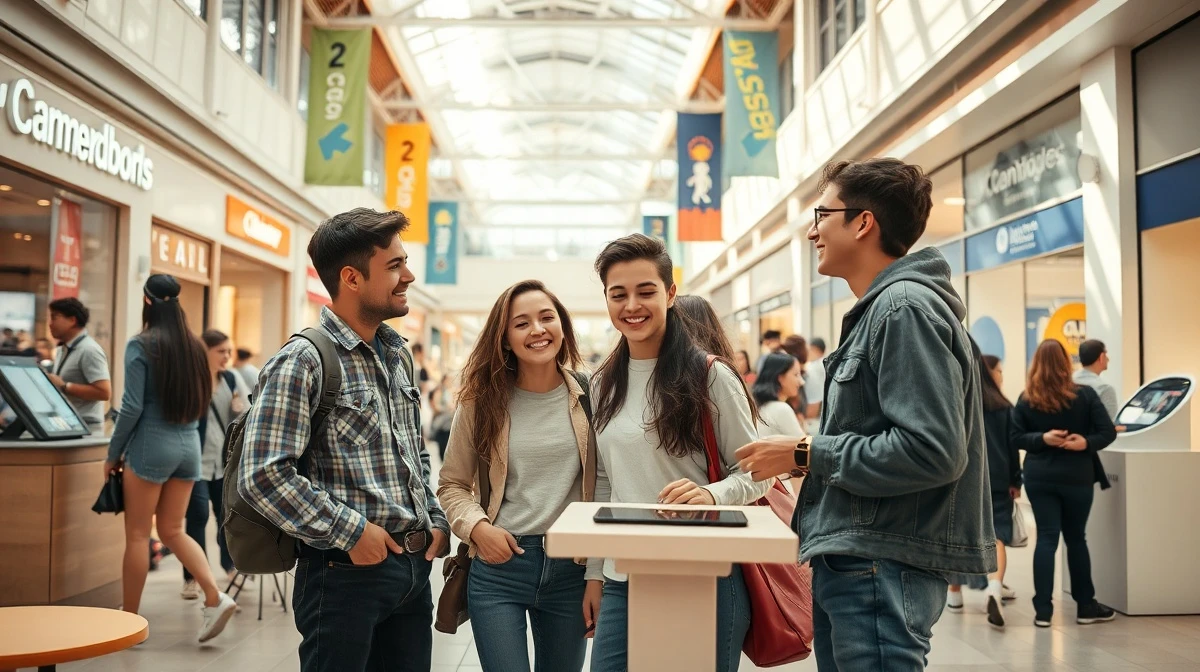
For years, the narrative surrounding American shopping malls has been one of decline. Anchor stores shuttered, foot traffic dwindled, and e-commerce seemed ready to render the enclosed retail center obsolete. But a surprising counter-trend is emerging: Gen Z shoppers, often characterized as digital natives, are increasingly driving a revival of physical malls. The shift is not about buying jeans or electronics in the traditional sense; it is about seeking curated, in-person experiences that online shopping cannot replicate.
The experience economy meets the mall
Data from real estate firms and retail analytics companies in 2025 indicates that foot traffic at regional malls has stabilized and, in some markets, grown modestly for the first time in a decade. The primary driver is not the traditional department store anchor, but rather a mix of experiential tenants: pop-up art installations, live music venues, cooking classes, esports lounges, and boutique fitness studios. Malls are being repositioned as community hubs rather than pure retail destinations.
Also read: EEOC Sues FedEx Over Alleged Discrimination Against Blind Workers
Gen Z, born roughly between 1997 and 2012, has shown a distinct preference for spending on experiences over material goods. According to a 2024 survey by the International Council of Shopping Centers, 62% of Gen Z respondents said they visit a mall primarily for social or entertainment purposes, with shopping as a secondary activity. This demographic is willing to travel to a mall if it offers something unique, shareable, and Instagram-worthy.
How malls are adapting to attract younger shoppers
Property owners are investing heavily in reconfiguring floor plans. Empty anchor spaces are being subdivided into food halls, co-working areas, and event spaces. Some malls now feature indoor skate parks, axe-throwing bars, and virtual reality arcades. The goal is to create a destination where people spend time, not just money.
Also read: Foreign investors warn Japan is backsliding on reform agenda
Retailers inside malls are also adjusting. Brands like American Eagle, Hollister, and Sephora have redesigned their store layouts to include interactive elements, such as customization stations and photo-worthy backdrops. Pop-up stores for direct-to-consumer brands, which previously operated only online, are becoming common. These short-term leases allow brands to test physical retail without long-term commitment, while malls benefit from a rotating sense of novelty.
Why this matters for the broader retail field
The Gen Z-driven mall revival has implications beyond real estate. It signals a recalibration of the relationship between digital and physical retail. E-commerce remains dominant for convenience and price comparison, but physical spaces now serve a different function: brand building, community engagement, and experiential discovery. For investors and developers, the trend suggests that the mall format is not dead, but it must evolve beyond its 20th-century model.
However, the recovery is uneven. Lower-tier malls in less affluent areas continue to struggle, as the investment required for experiential renovations is substantial. The revival is most pronounced in densely populated suburban and urban areas with strong demographics. Analysts caution that without sustained investment, many malls will still face an uncertain future.
Conclusion
The resurgence of America’s malls, powered by Gen Z’s appetite for in-person experiences, represents a notable shift in consumer behavior. It underscores that even the most digitally connected generation craves physical connection and shared moments. For the retail industry, the lesson is clear: the mall of the future must be a place to go, not just a place to buy.
FAQs
Q1: Why are Gen Z shoppers going to malls if they shop online?
Gen Z views malls primarily as social and entertainment destinations. They visit for experiences like dining, events, and hanging out with friends, with shopping being a secondary activity.
Q2: What types of stores are attracting Gen Z to malls?
Experiential tenants such as food halls, virtual reality arcades, boutique fitness studios, pop-up shops, and interactive brand stores are drawing younger crowds.
Q3: Is the mall revival happening everywhere in the U.S.?
No. The revival is strongest in well-located malls in affluent suburban and urban areas. Lower-tier malls in less populated or economically challenged regions continue to struggle.