Amazon is accelerating the e-commerce speed race with a renewed push to deliver orders within 30 minutes, raising the bar for competitors and reshaping consumer expectations around instant gratification. The initiative, which builds on the company’s existing Prime Now and same-day delivery infrastructure, signals a strategic shift toward hyperlocal fulfillment networks designed to shrink delivery windows from hours to minutes.
The Logistics Behind the 30-Minute Promise
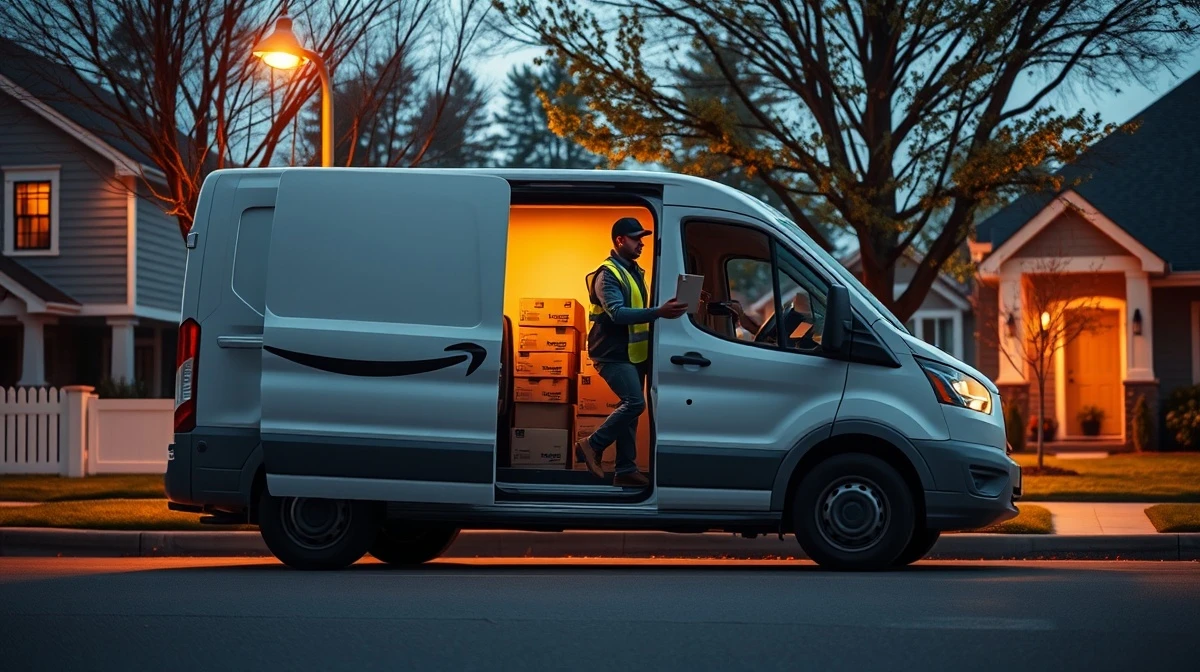
Achieving 30-minute delivery requires a fundamentally different logistics model than traditional e-commerce. Amazon is expanding its network of micro-fulfillment centers located inside or near urban areas, often in repurposed retail spaces or dedicated warehouses. These facilities stock a curated selection of high-demand items — groceries, household essentials, electronics, and over-the-counter medications — allowing for rapid picking and packing. The company is also investing heavily in autonomous delivery robots, drones, and a growing fleet of electric cargo bikes and vans designed for dense city environments. By combining inventory proximity with automated sorting and routing, Amazon aims to cut the time between a customer clicking “buy” and a package arriving at their door.
Also read: Crude Oil Bounces on Hormuz Scare, Rally Fails to Convince
Market Implications and Competitive Pressure
The move intensifies an already fierce competition among retailers. Walmart has been testing its own rapid delivery options through partnerships with gig-economy platforms, while Target’s Shipt and other same-day services have expanded coverage. Smaller grocery chains and local delivery startups face increasing pressure to match these speed benchmarks or risk losing market share. Analysts note that the race for speed is not just about convenience — it fundamentally changes inventory management, supply chain design, and customer loyalty. If Amazon can reliably deliver in 30 minutes, it could further entrench its dominance in daily essentials, a category that has historically been resistant to e-commerce penetration.
What This Means for Consumers
For shoppers, the promise of 30-minute delivery offers exceptional convenience, particularly for urgent needs like last-minute ingredients, baby supplies, or cold medicine. However, the model raises questions about sustainability, labor practices, and data privacy. The increased number of delivery vehicles on city streets could exacerbate traffic congestion and emissions, though Amazon has committed to electrifying its fleet by 2030. Labor advocates have raised concerns about the physical demands on delivery workers and the potential for algorithmic pressure to meet tight deadlines. Consumers may also need to weigh the trade-off between speed and the broader environmental and social impacts of hyper-fast logistics.
Also read: Peter Thiel-backed fund invests in German drone startup Stark despite past criticism
Conclusion
Amazon’s 30-minute delivery push represents a significant escalation in the e-commerce speed race, with far-reaching implications for logistics, competition, and consumer behavior. While the technology and infrastructure are still evolving, the direction is clear: the line between online ordering and instant physical fulfillment is blurring. Retailers across the board will need to adapt or risk being left behind as speed becomes a defining metric of customer satisfaction.
FAQs
Q1: How is Amazon able to offer 30-minute delivery?
Amazon uses a network of micro-fulfillment centers located in urban areas, combined with automated picking systems, AI-driven routing, and a fleet of delivery vehicles (including electric vans, cargo bikes, and drones) to dramatically reduce delivery times.
Q2: Which items are eligible for 30-minute delivery?
Eligible items typically include a curated selection of high-demand products such as groceries, household essentials, electronics accessories, and over-the-counter health products. Availability varies by location and inventory.
Q3: Does 30-minute delivery cost extra?
Pricing depends on the service and location. Some rapid delivery options are included with Amazon Prime membership, while others may carry a small fee. Amazon is still refining its pricing model as it scales the service.