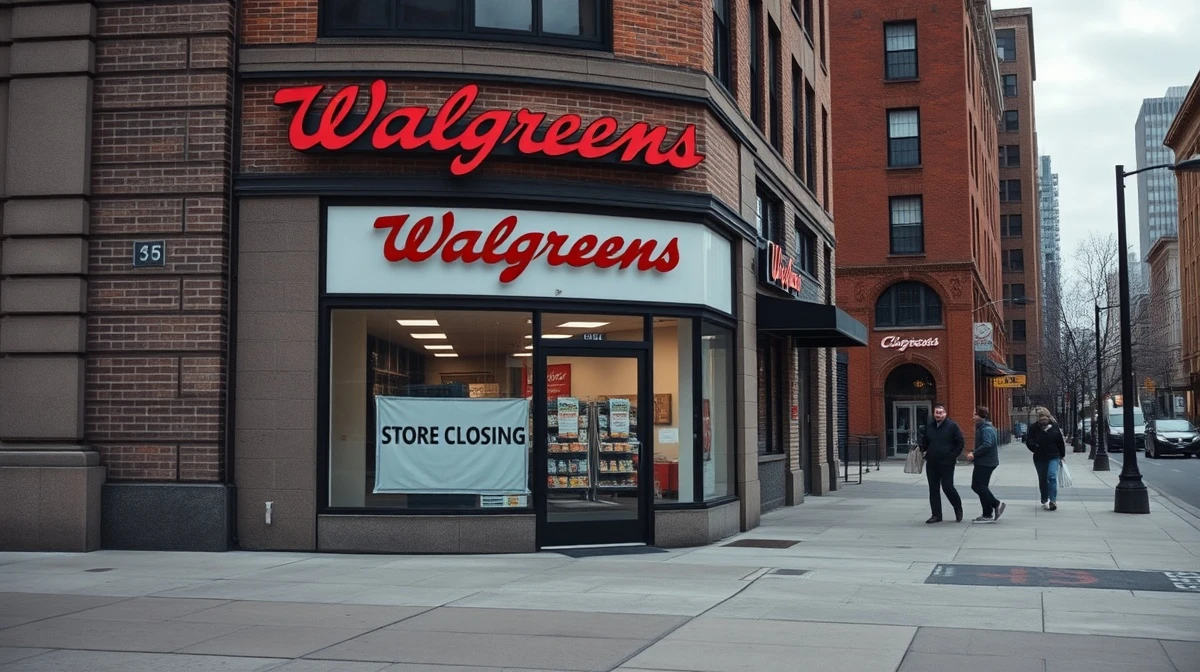
Walgreens has announced the closure of a store in Chicago after reporting losses exceeding $1 million, a figure the company attributes to rampant theft and declining sales. The decision underscores the mounting pressures faced by national retail chains operating in urban environments, where organized retail crime and shifting consumer habits have eroded profitability.
Background of the Closure
The specific location, situated in a densely populated area of Chicago, has been a focal point for theft-related incidents over the past several years. According to company statements, the store experienced repeated inventory shrinkage that far exceeded industry averages, directly impacting its bottom line. Combined with a steady drop in foot traffic and sales, the store became financially unsustainable.
Also read: Crude Oil Bounces on Hormuz Scare, Rally Fails to Convince
Walgreens has not disclosed the exact address of the store but confirmed that employees will be offered transfers to nearby locations. The closure is part of a broader trend among major retailers, including Target and CVS, which have shuttered stores in high-theft areas across the country.
Impact of Retail Theft on Urban Stores
Retail theft, particularly organized retail crime, has become a significant issue for brick-and-mortar stores in cities like Chicago, San Francisco, and New York. Industry data from the National Retail Federation indicates that shrinkage—losses from theft, fraud, and error—cost retailers over $94 billion in 2022, with theft accounting for roughly two-thirds of that figure.
Also read: Peter Thiel-backed fund invests in German drone startup Stark despite past criticism
Walgreens has previously cited theft as a primary factor in store closures, and this latest move reinforces the challenges of maintaining profitability in high-risk locations. The company has invested in security measures, including locked display cases and increased staffing, but these efforts have not fully mitigated losses.
Broader Implications for Consumers
For Chicago residents, the closure means reduced access to pharmacy services, over-the-counter medications, and everyday essentials. This can disproportionately affect elderly or low-income individuals who rely on nearby stores for prescriptions and basic goods. The loss of a pharmacy can also place additional strain on local healthcare systems.
On a national scale, the trend raises questions about the long-term viability of urban retail locations. Analysts suggest that if theft and sales declines persist, more closures are likely, potentially creating ‘pharmacy deserts’ in underserved areas.
Walgreens’ Financial Context
Walgreens Boots Alliance has been addressing a challenging retail environment, with its stock price declining over the past year. The company reported a net loss of $3.7 billion in its most recent fiscal quarter, driven in part by lower retail sales and increased operating costs. The Chicago store closure is a microcosm of these larger financial pressures.
In response, Walgreens has been restructuring its operations, closing underperforming stores and focusing on healthcare services as a growth area. The company has also partnered with law enforcement to combat organized retail crime, but progress has been slow.
Conclusion
The closure of this Chicago Walgreens store is a tangible example of how theft and falling sales are reshaping the retail space. While the company works to adapt, the immediate impact is felt by local communities that lose convenient access to essential services. As retailers continue to grapple with these challenges, the broader industry will be watching closely for policy responses and shifts in consumer behavior.
FAQs
Q1: Why is Walgreens closing this specific Chicago store?
The store has experienced over $1 million in losses due to theft and declining sales, making it financially unsustainable to operate.
Q2: Will employees lose their jobs?
Walgreens has stated that employees at the closing store will be offered transfers to other nearby locations.
Q3: How does retail theft affect consumers?
Store closures can reduce access to essential items like medications and groceries, particularly in urban or underserved areas, and may lead to higher prices as retailers offset losses.