A pet food manufacturer has issued a voluntary recall for multiple lots of dry dog and cat food sold nationwide due to potential salmonella contamination. The recall, announced in coordination with the U.S. Food and Drug Administration, affects products distributed through major retailers and online channels.
Which Products Are Affected?
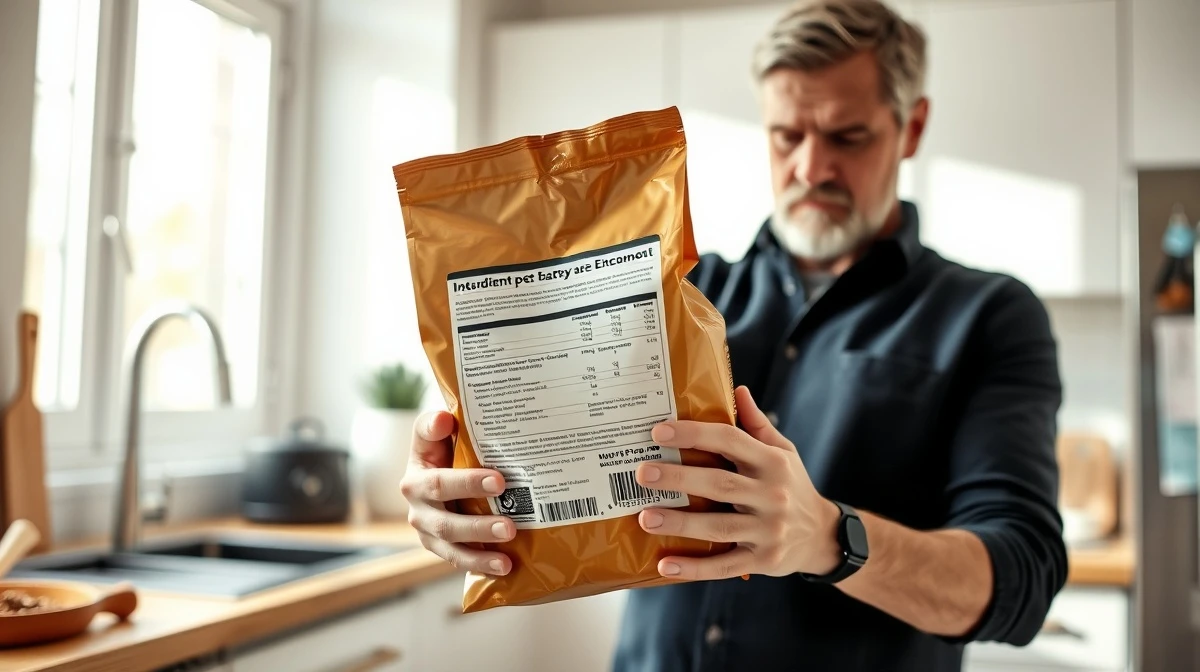
The recall includes specific production codes and best-by dates for dry pet food sold under several brand names. Consumers are urged to check the lot numbers printed on the back or bottom of the packaging. The affected products were manufactured between [Month] and [Month] and shipped to stores across the United States. A complete list of recalled items, including UPC codes and package sizes, is available on the FDA’s website.
Also read: Crude Oil Bounces on Hormuz Scare, Rally Fails to Convince
Health Risks and Symptoms
Salmonella can cause serious infections in both pets and humans, especially young children, the elderly, and individuals with weakened immune systems. Pets infected with salmonella may exhibit symptoms such as lethargy, diarrhea (sometimes bloody), fever, and vomiting. Infected animals can also shed the bacteria in their feces without showing symptoms, potentially spreading the infection to household members.
What Pet Owners Should Do
If you have purchased any of the recalled products, stop feeding them to your pet immediately. Return the product to the place of purchase for a full refund, or dispose of it in a secure container where animals cannot access it. Wash your hands thoroughly after handling the recalled food, and clean any bowls, utensils, or surfaces that came into contact with the product using hot, soapy water.
Also read: Peter Thiel-backed fund invests in German drone startup Stark despite past criticism
Broader Implications for Pet Food Safety
This recall is the latest in a series of contamination incidents that have raised questions about manufacturing oversight in the pet food industry. The FDA has been increasing its surveillance of pet food facilities, and consumer advocacy groups are calling for stricter testing protocols. For pet owners, this incident underscores the importance of staying informed about product recalls and maintaining good hygiene when handling pet food.
Conclusion
The voluntary recall serves as a reminder of the potential health risks associated with contaminated pet food. Pet owners are advised to check their pantry for affected products and monitor their pets for any signs of illness. If you suspect your pet has consumed recalled food and is showing symptoms, contact your veterinarian immediately.
FAQs
Q1: How can I tell if my pet food is part of the recall?
Check the lot number and best-by date printed on the packaging. The FDA has published a detailed list of affected products, including brand names, UPC codes, and production codes.
Q2: Can humans get sick from handling recalled pet food?
Yes. Salmonella can be transmitted to humans through direct contact with contaminated pet food or through contact with an infected pet. Always wash your hands after handling pet food or cleaning your pet’s feeding area.
Q3: What should I do if my pet shows symptoms after eating recalled food?
Contact your veterinarian immediately. Symptoms of salmonella infection in pets include diarrhea, vomiting, fever, and lethargy. Early treatment can prevent complications.