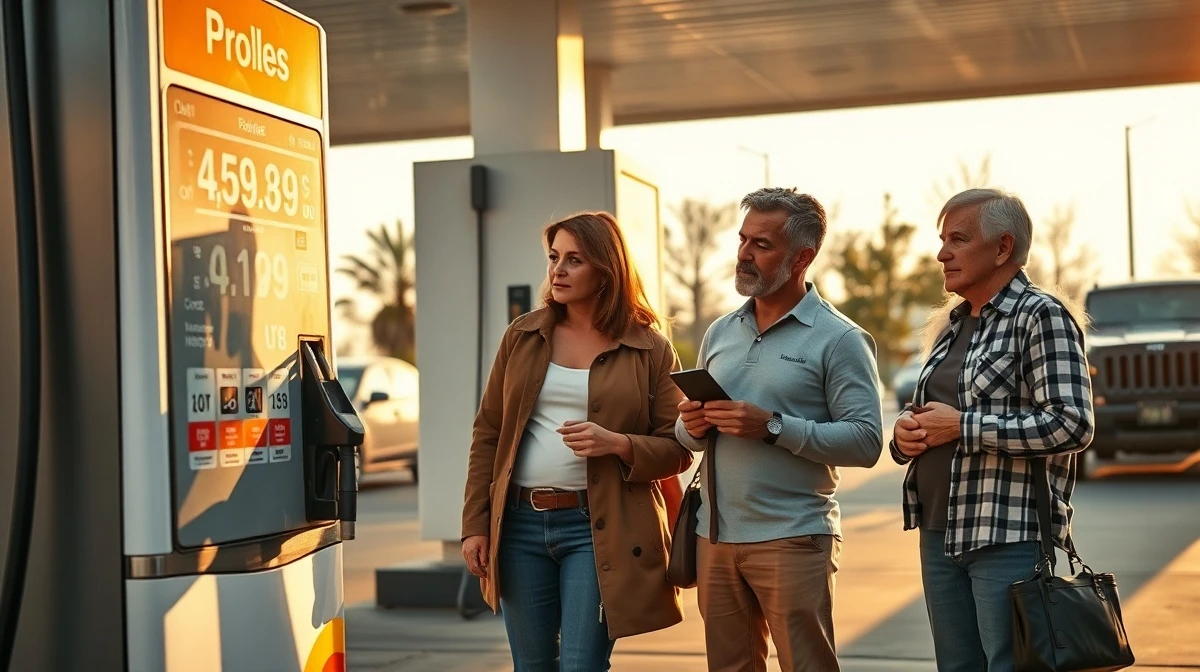
As gasoline prices continue to consume a growing share of household income, a new trend is emerging: more Americans are turning to credit cards and buy now, pay later (BNPL) services to manage everyday expenses. This shift highlights the deepening financial strain on consumers already grappling with elevated inflation and stagnant wage growth.
Gas Prices Squeeze Household Budgets
According to recent data from the U.S. Energy Information Administration, the national average price for a gallon of regular gasoline has risen by more than 15% over the past year, with some regions seeing even steeper increases. For the average American household, this means spending hundreds of dollars more annually on fuel alone.
Also read: Peter Thiel-backed fund invests in German drone startup Stark despite past criticism
Transportation costs, including gasoline, now account for a larger portion of disposable income than at any point in the last decade. This is forcing many families to make difficult trade-offs, such as cutting back on groceries, dining out, or entertainment. For lower-income households, the impact is particularly severe, as they spend a higher percentage of their income on essential goods and services.
Credit Card Debt on the Rise
The Federal Reserve Bank of New York reports that total household debt has reached a record high, with credit card balances growing significantly. Many consumers are using credit cards to bridge the gap between their income and rising costs, including at the pump. However, this strategy carries risks: high interest rates can quickly turn a short-term solution into long-term debt.
Also read: Hedge Fund Pentwater to Pay Avis $650 Million in Settlement Over Stock Trading Claims
Data from the Consumer Financial Protection Bureau shows that the average credit card APR is now above 22%, making it one of the most expensive forms of borrowing. For families already stretched thin, relying on credit cards for necessities like gas can lead to a cycle of debt that is difficult to escape.
Buy Now, Pay Later Gains Traction
In parallel, buy now, pay later services are seeing increased adoption for everyday purchases, including fuel. Companies like Affirm, Klarna, and Afterpay have expanded their offerings beyond retail goods to include gas station transactions and other essential services. These services allow consumers to split payments into installments, often with no interest if paid on time.
While BNPL can provide short-term relief, consumer advocates warn that it may encourage overspending and can lead to missed payments, which can damage credit scores. Unlike credit cards, BNPL plans are not always subject to the same regulatory protections, leaving consumers with fewer avenues for recourse if problems arise.
Why This Matters for Consumers
The growing reliance on credit and installment payments for basic necessities like gas signals a broader erosion of household financial resilience. Economists note that when consumers use debt to cover everyday expenses, they are effectively borrowing from their future income, which can reduce long-term financial stability.
For policymakers, this trend underscores the need for targeted relief measures, such as expanded energy assistance programs or subsidies for low-income families. For individuals, financial advisors recommend budgeting carefully, exploring fuel-saving strategies, and seeking help from nonprofit credit counseling services if debt becomes unmanageable.
Conclusion
Rising gas prices are not just a matter of inconvenience; they are reshaping how Americans manage their finances. As credit card debt climbs and BNPL usage expands, the financial health of millions of households hangs in the balance. Understanding these trends is critical for consumers, businesses, and policymakers alike.
FAQs
Q1: Why are gas prices rising so much?
Gas prices are influenced by global crude oil costs, refinery capacity, geopolitical events, and seasonal demand. Recent increases are driven by a combination of production cuts by major oil exporters and higher demand as the economy recovers.
Q2: Is using a credit card for gas a bad idea?
It depends on your ability to pay off the balance quickly. If you can pay in full each month, credit cards can offer rewards and consumer protections. However, carrying a balance can lead to high interest charges and debt accumulation.
Q3: Are buy now, pay later services safe for essential purchases?
BNPL can be useful for managing cash flow, but it is not without risks. Late fees and potential credit score impacts are concerns. It is important to read the terms carefully and ensure you can meet the payment schedule.