Nomura has issued a stark warning that the ongoing conflict in Ukraine is creating a significant ‘war shock’ that is weighing heavily on the United Kingdom’s economic growth outlook. The Japanese investment bank’s analysis points to a combination of persistent inflation, supply chain disruptions, and weakened consumer confidence as key factors dragging down the UK’s economic performance.
Deepening Economic Headwinds
According to Nomura’s latest assessment, the UK economy is facing a more pronounced slowdown than previously anticipated. The ‘war shock’ is exacerbating existing cost-of-living pressures, with energy and food prices remaining elevated. The bank’s economists highlight that the conflict has introduced a new layer of uncertainty, making it difficult for businesses to invest and for consumers to spend. This uncertainty is expected to persist, keeping the growth outlook subdued through the near term.
Also read: Pound Sterling faces a heavy week as Westminster empties out
Inflation and Policy Challenges
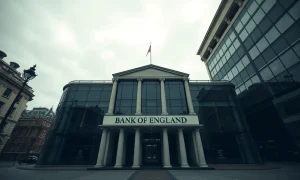
The persistence of high inflation, driven largely by external factors related to the war, presents a significant challenge for the Bank of England. Nomura notes that the central bank is caught between the need to curb inflation through higher interest rates and the risk of further damaging an already fragile economy. The report suggests that this balancing act will likely result in a period of stagnation, with the risk of a technical recession remaining elevated. The UK’s reliance on imported energy makes it particularly vulnerable to the price shocks emanating from the conflict.
Implications for Investors and Businesses
For investors, Nomura’s analysis reinforces a cautious outlook on UK assets. The combination of weak growth and sticky inflation is a negative environment for both equities and government bonds. Businesses, particularly those in energy-intensive sectors, face continued margin pressure. The report advises that a recovery is unlikely until there is a clear de-escalation of the conflict and a sustained decline in global energy prices.
Also read: US Dollar Index Holds Firm Near 101.00 as Traders Assess Fed Outlook
Conclusion
Nomura’s warning underscores the persistent and structural nature of the economic damage caused by the war in Ukraine. The UK’s growth outlook remains clouded by these external shocks, with the path to recovery dependent on geopolitical developments. The analysis serves as a sobering reminder that the economic aftershocks of the conflict are still being felt, with no immediate resolution in sight.
FAQs
Q1: What is the main reason Nomura is pessimistic about UK growth?
The primary reason is the ‘war shock’ from the conflict in Ukraine, which is driving persistent inflation, disrupting supply chains, and severely weakening consumer and business confidence.
Q2: How does the war shock affect the Bank of England’s policy?
The Bank of England faces a difficult trade-off. It must raise interest rates to fight inflation, but doing so risks further slowing an already weak economy, potentially triggering a recession.
Q3: What sectors are most vulnerable according to Nomura’s analysis?
Energy-intensive industries and sectors reliant on consumer discretionary spending are particularly vulnerable due to high input costs and reduced consumer purchasing power.