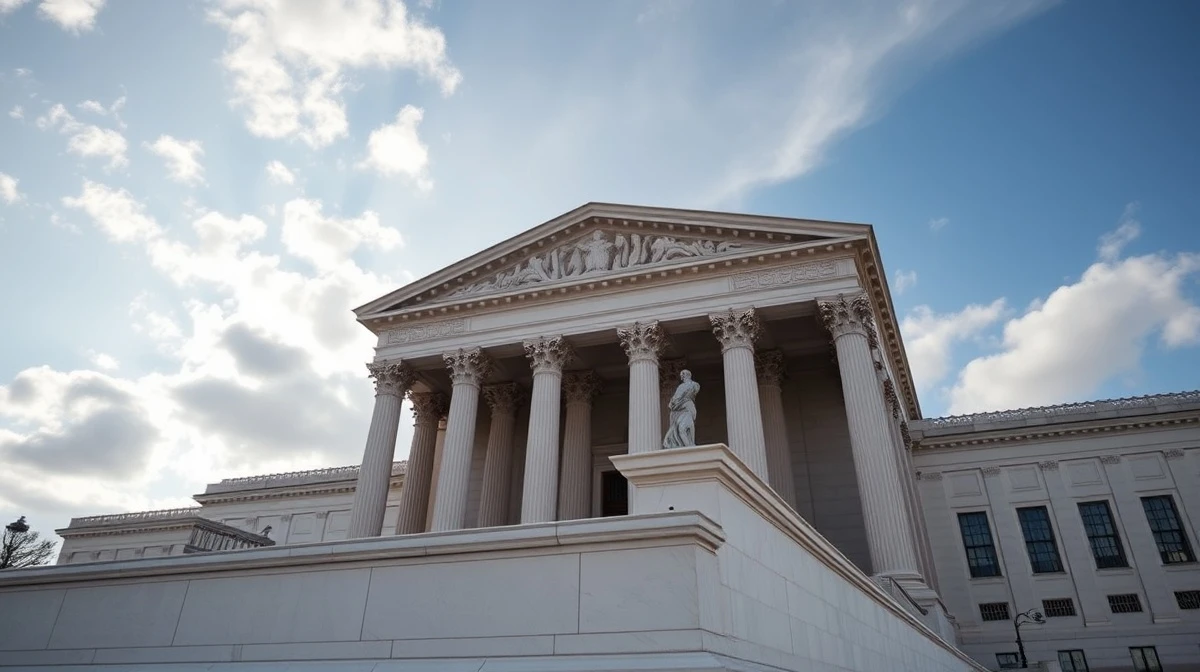
A prominent pro-life CEO has publicly stated that women are being systematically misled about the realities of pregnancy, a claim that comes as the U.S. Supreme Court prepares to hear a important case challenging federal regulations on the abortion pill mifepristone. The remarks, made during a press conference in Washington, D.C., on Tuesday, have reignited debate over the accuracy of medical information provided to pregnant women and the future of medication abortion access nationwide.
Background of the Supreme Court Case
The case before the Supreme Court, FDA v. Alliance for Hippocratic Medicine, centers on whether the Food and Drug Administration (FDA) acted lawfully in expanding access to mifepristone, a drug used in more than half of all U.S. abortions. The medication, approved by the FDA in 2000, was made available by mail and without an in-person doctor visit in 2021, a change that anti-abortion groups argue violated federal safety regulations. Lower courts have issued conflicting rulings, leading to the current Supreme Court review. Oral arguments are scheduled for late March 2024, with a decision expected by summer.
Also read: Peter Thiel-backed fund invests in German drone startup Stark despite past criticism
The CEO’s Claims and Reactions
The CEO, who leads a national network of crisis pregnancy centers, alleged that women seeking abortions are often not fully informed about fetal development, the risks of abortion, or alternatives. “Women deserve the full truth about pregnancy and the life they are carrying,” he said. “Too often, they are rushed into a decision without understanding what is happening inside their bodies.” Pro-choice advocates swiftly countered, accusing the CEO of promoting medically inaccurate information and undermining patient autonomy. Dr. Sarah Jennings, a reproductive health researcher at Georgetown University, said, “There is no evidence that women are systematically misled. The claim itself is a political tactic to restrict access to care.”
Implications for Access to Medication Abortion
The Supreme Court’s ruling could have sweeping effects on how mifepristone is prescribed and distributed. If the Court upholds the FDA’s changes, telehealth prescriptions and mail-order pharmacy delivery of the drug would remain legal. A decision against the FDA could revert regulations to pre-2021 standards, requiring in-person doctor visits and potentially limiting availability in states where abortion remains legal. The case is being closely watched by both sides of the abortion debate, as it represents the most significant legal challenge to abortion access since the Court overturned Roe v. Wade in 2022.
Also read: Hedge Fund Pentwater to Pay Avis $650 Million in Settlement Over Stock Trading Claims
Why This Story Matters
For readers, this story is not just about a legal dispute—it directly affects the accessibility of reproductive healthcare for millions of women. The outcome of the case will determine whether medication abortion remains a widely available option, particularly for those in rural areas or states with restrictive laws. Additionally, the CEO’s statements highlight a broader informational battle over pregnancy and abortion, where both sides accuse the other of spreading misinformation. Understanding the factual basis of these claims is critical for informed public discourse.
Conclusion
As the Supreme Court prepares to hear arguments on the abortion pill, the intersection of legal, medical, and political narratives continues to intensify. The pro-life CEO’s allegations of misleading information add a new rhetorical layer to an already complex case. Regardless of the Court’s decision, the debate over what constitutes accurate pregnancy information is unlikely to subside.
FAQs
Q1: What is mifepristone and why is it controversial?
Mifepristone is a medication used to terminate early pregnancies, typically in combination with another drug called misoprostol. It has been FDA-approved since 2000. Controversy surrounds its use due to moral and religious objections to abortion, as well as debates over the safety and regulatory processes involved in expanding access.
Q2: What are the main arguments in the Supreme Court case?
Anti-abortion groups argue that the FDA overstepped its authority by removing safety restrictions, such as the requirement for in-person dispensing, without adequate study. The FDA and pro-choice groups maintain that the changes were based on scientific evidence showing mifepristone is safe and effective when used as directed.
Q3: How might the ruling affect women in states where abortion is legal?
If the Court sides with the challengers, even women in states with protected abortion rights could face new barriers, such as needing to visit a doctor in person to obtain the medication. This could increase travel burdens and reduce timely access to care.