A new artificial intelligence-driven audit has uncovered previously undetected vulnerabilities within the United States military supply chain, revealing a significant number of components sourced from Chinese manufacturers. The analysis, conducted by a consortium of defense and technology researchers, suggests that the reliance on Chinese-made parts extends deeper into critical defense systems than previously acknowledged by the Pentagon.
Scope of the Hidden Dependencies
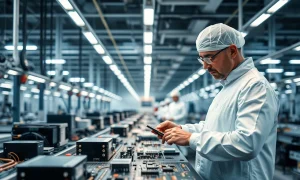
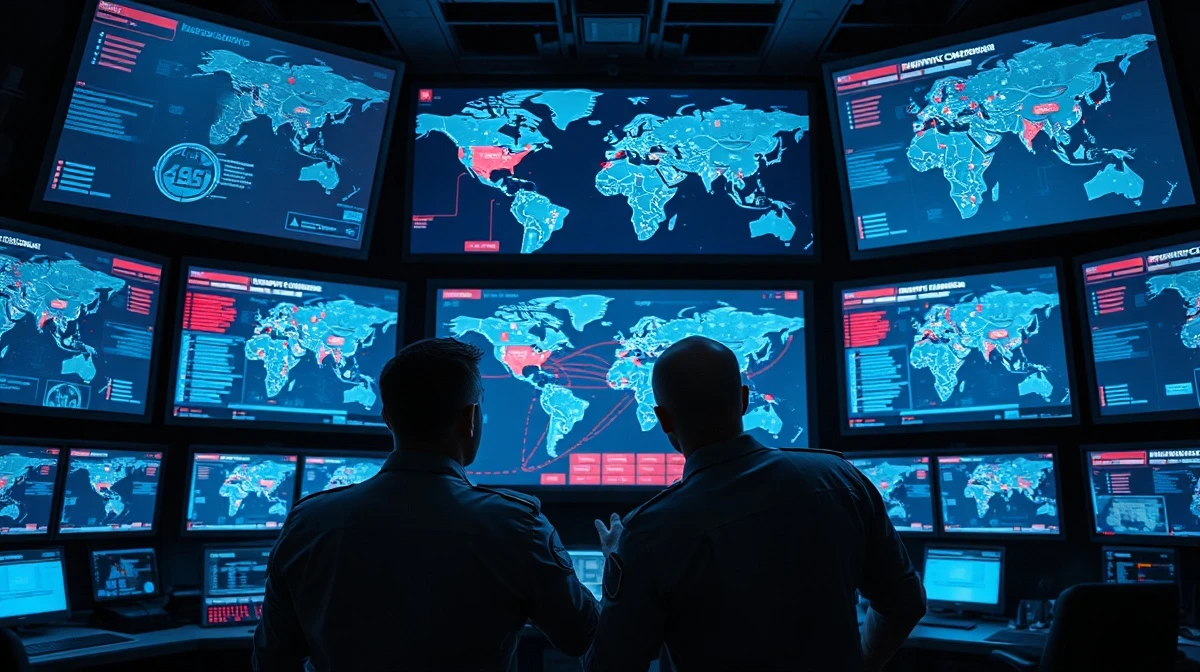
The AI system, trained on vast procurement databases and logistics records, cross-referenced supply chain data for thousands of defense contractors. It identified that certain microchips, rare earth magnets, and specialized wiring used in communication and navigation systems originated from Chinese suppliers. While the US Department of Defense has long maintained policies to minimize foreign dependency, the AI analysis indicates that these policies have not been fully effective, particularly for sub-tier suppliers that are not directly contracted by the military.
Also read: Hedge Fund Pentwater to Pay Avis $650 Million in Settlement Over Stock Trading Claims
Experts note that the problem is not necessarily one of immediate sabotage but of strategic vulnerability. In the event of geopolitical conflict, these dependencies could be weaponized, leading to supply disruptions that compromise military readiness. The analysis also flagged that some components are manufactured using intellectual property that may have been acquired through non-transparent means, raising additional security concerns.
Implications for National Security Policy
The findings have prompted renewed calls for legislative action to strengthen the Defense Production Act and accelerate the reshoring of critical manufacturing capabilities. Senator Mark Warner, chair of the Senate Intelligence Committee, has stated that the report underscores the need for a more rigorous, AI-enabled oversight mechanism for defense supply chains. The Pentagon has acknowledged the report and stated that it is reviewing its vendor compliance protocols.
Also read: Shareholder lawsuit accuses Uber board of ignoring safety failures, putting profits first
Industry analysts point out that the complexity of modern defense systems makes it difficult to trace every component to its origin. However, the AI methodology used in this audit could become a standard tool for future compliance checks. The technology is capable of identifying anomalies and high-risk suppliers much faster than human auditors, potentially transforming how the military manages its procurement risks.
Why This Matters for the Defense Industry and Taxpayers
For defense contractors, the report signals a coming shift in compliance requirements. Companies may need to invest in their own AI-driven supply chain monitoring to avoid losing government contracts. For taxpayers, the issue is one of both security and cost efficiency. Hidden dependencies can lead to sudden price hikes or shortages, increasing the overall cost of maintaining a ready military force. The report also raises questions about the effectiveness of existing trade controls and the need for more transparent reporting from prime contractors about their sub-tier suppliers.
Conclusion
The AI analysis has effectively pulled back the curtain on a long-suspected but poorly documented aspect of US defense logistics. While the full extent of the vulnerabilities is still being assessed, the findings provide a clear direction for policy reform and technological investment. The US military’s ability to maintain technological superiority may increasingly depend on its ability to see and secure its own supply chain, a task for which artificial intelligence appears uniquely suited.
FAQs
Q1: What specific types of Chinese components were found in the US military supply chain?
The AI audit identified microchips, rare earth magnets, and specialized wiring used in communication and navigation systems as the primary categories of Chinese-sourced components.
Q2: Does the presence of Chinese components mean the military is at immediate risk?
Not necessarily immediate sabotage, but it creates a strategic vulnerability. In a conflict, China could disrupt supply lines, affecting military readiness and maintenance of critical systems.
Q3: How does the AI analysis work to find these hidden dependencies?
The AI cross-references large datasets from procurement databases and logistics records to trace component origins, identifying anomalies and high-risk suppliers that human auditors might miss, especially at sub-tier levels.