
A proposal to raise the federal minimum wage to $25 per hour, backed by Representative Alexandria Ocasio-Cortez, is reigniting a national debate over labor costs, economic viability, and the uneven impact on small businesses—particularly in states with lower costs of living and conservative political leadership.
What the Proposal Entails
The proposed legislation, introduced in the House, would gradually increase the federal minimum wage from the current $7.25 per hour to $25 per hour over several years. Supporters argue the raise is necessary to keep pace with inflation, reduce income inequality, and provide a living wage for millions of workers. Ocasio-Cortez and other progressive lawmakers have framed the measure as a moral and economic imperative.
Also read: Rising Gas Prices Drive More Americans to Credit Cards and Buy Now, Pay Later
Small Business Concerns in Red States
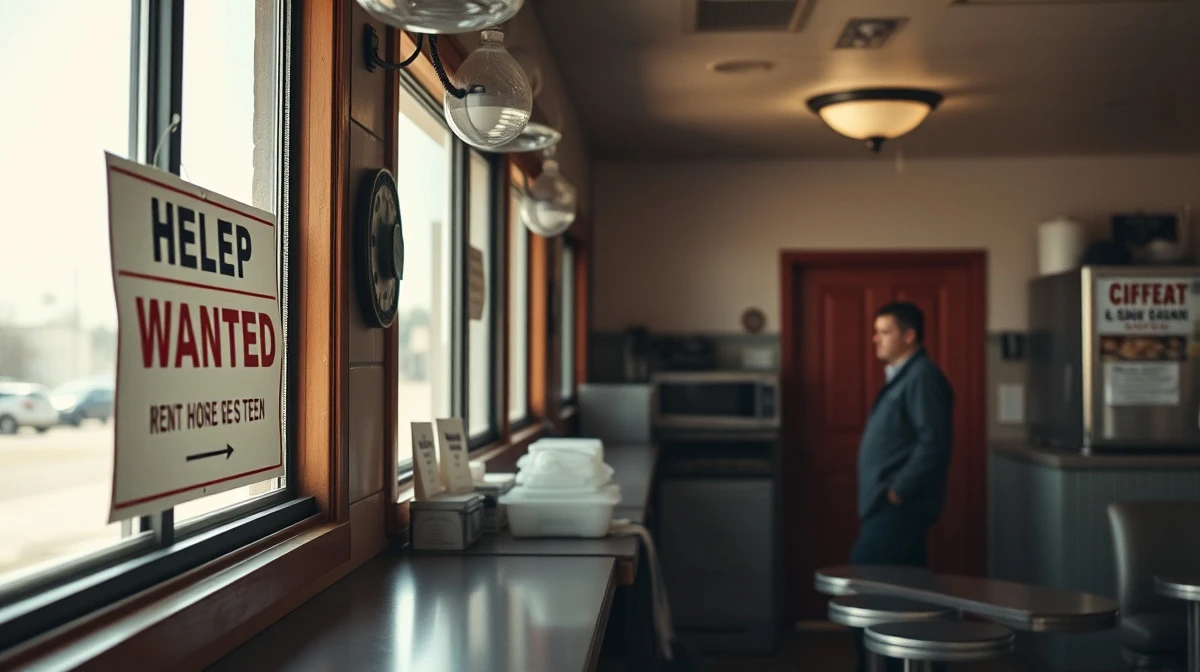
In states like Mississippi, Arkansas, and West Virginia—where the cost of living is significantly lower than in coastal urban centers—small business owners warn that a $25 minimum wage would force drastic measures. Many operate on thin margins in industries such as retail, hospitality, and agriculture. A mandatory wage hike of this magnitude, they argue, could lead to reduced hiring, increased automation, or outright closures.
“We want to pay our employees well, but $25 an hour would more than double our current labor costs,” said a restaurant owner in rural Alabama who asked not to be named for fear of backlash. “We’d have to raise prices significantly or cut staff. Some of us might not survive.”
Also read: TikTok Creator’s Crowdfunding Campaign to Buy Spirit Airlines Surpasses $335 Million in Pledges
Economic and Political Divide
The proposal highlights a growing economic and political divide between high-cost states that have already adopted higher minimum wages and lower-cost states that have resisted such measures. In 2025, 30 states maintained minimum wages at or near the federal floor. Many of these are red states where political leaders oppose federal mandates on wage policy, arguing that local conditions should determine pay rates.
Economists are divided. Some studies suggest that a $25 minimum wage could lift millions out of poverty, while others warn of job losses, particularly among young and less-skilled workers. The Congressional Budget Office has yet to release a formal analysis of the latest proposal.
What This Means for Workers
For workers in low-wage industries, the proposal represents a potential lifeline. Advocates point to rising housing costs and inflation that have eroded the purchasing power of the current minimum wage. However, in regions where the cost of living is lower, a $25 wage could also create market distortions, making it harder for small businesses to compete with larger corporations that can absorb higher labor costs more easily.
Conclusion
The AOC-backed $25 minimum wage proposal is unlikely to pass in its current form given the divided Congress, but it has already sparked a necessary conversation about wage fairness, regional economic disparities, and the future of small business in America. For now, the debate remains a flashpoint in the broader struggle between federal labor standards and state-level autonomy.
FAQs
Q1: What is the current federal minimum wage?
The federal minimum wage has been $7.25 per hour since 2009. Many states have set higher minimum wages, but 20 states still use the federal floor.
Q2: How would a $25 minimum wage affect small businesses?
Small businesses in low-cost states could face significant cost increases, potentially leading to reduced hiring, price hikes, or closures. Larger corporations may adapt more easily due to economies of scale.
Q3: Has a similar proposal been introduced before?
Yes. Previous attempts to raise the federal minimum wage to $15 per hour have stalled in Congress. The $25 proposal represents a more ambitious version of those earlier efforts.

