Retail theft has reached crisis levels across the United States. Consequently, major retailers face exceptional challenges. Store closures now accelerate at alarming rates. Business owners struggle with mounting losses. Furthermore, consumers face reduced shopping options. This retail theft epidemic demands immediate attention.
The Escalating Retail Theft Crisis
Organized retail crime groups operate with increasing boldness. They target high-value merchandise systematically. Store security teams report more violent incidents. Police departments allocate additional resources. However, the problem continues growing exponentially. Retail theft now costs businesses billions annually.
Also read: WTI crude oil climbs to near two-week high on US-Iran tensions and EIA stockpile draw
Major Retailers Confront Retail Theft
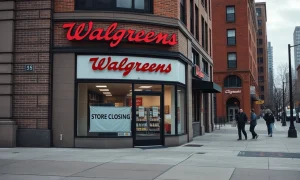
Several national chains announced significant closures recently. Target closed nine stores in major cities. Walmart shuttered multiple locations permanently. CVS and Walgreens reduced their footprints substantially. These decisions stem directly from retail theft losses. Security costs have become unsustainable for many operators.
Financial Impact of Retail Theft
Key financial consequences include:
• $112 billion in annual losses nationwide
• 50% increase in organized retail crime
• 15-20% profit margin erosion
• $500 million in additional security spending
Also read: UOB projects slower 2Q26 growth for China amid headwinds
Security Measures Against Retail Theft
Retailers implement sophisticated prevention systems. They install advanced surveillance technology. Many stores use electronic article surveillance. Security personnel receive enhanced training. Some locations limit product displays. However, determined thieves often bypass these measures.
Consumer Consequences of Retail Theft
Shoppers experience multiple negative effects. Store closures reduce shopping convenience. Remaining locations often increase prices. Product selection becomes more limited. Shopping environments feel less safe. Many consumers now avoid certain retail areas entirely.
Legal Responses to Retail Theft
States enact tougher legislation against organized theft. Prosecutors prioritize retail crime cases. Law enforcement coordinates multi-agency task forces. However, legal system backlogs create challenges. Many offenders receive minimal consequences. This perpetuates the cycle of retail theft.
Future Outlook for Retail Security
The industry develops innovative solutions constantly. Artificial intelligence enhances theft detection. RFID technology improves inventory tracking. Retailers share intelligence more effectively. Community partnerships strengthen prevention efforts. Nevertheless, retail theft remains a persistent threat.
FAQs About Retail Theft and Store Closures
How much does retail theft cost businesses annually?
Retail theft causes approximately $112 billion in losses each year according to industry reports.
Which retailers have been most affected by store closures?
Target, Walmart, CVS, and Walgreens have closed numerous locations specifically citing retail theft concerns.
What security measures are stores implementing?
Retailers use surveillance systems, electronic tags, security personnel, and product locking mechanisms to combat theft.
How does retail theft affect consumer prices?
Industry analysts estimate theft-related losses add 1-2% to retail prices across affected categories.
Are certain products targeted more frequently?
Electronics, cosmetics, clothing, and health products experience the highest rates of organized retail theft.
What legislative changes address retail theft?
Several states have increased penalties for organized retail crime and allocated additional enforcement resources.