
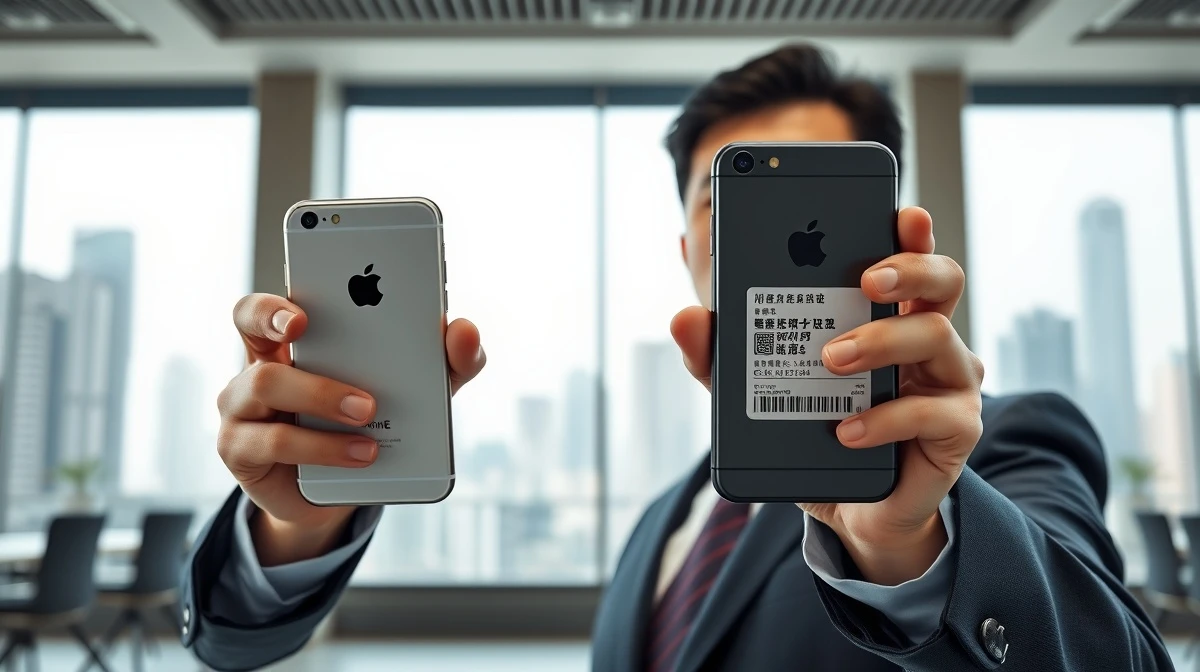
Morgan Stanley has begun issuing specially configured iPhones to its Hong Kong-based bankers who frequently travel to mainland China, a move that underscores growing corporate concerns over data security and compliance with Chinese regulations. The U.S. bank’s decision reflects the increasingly complex operational environment for global financial institutions dealing with cross-border data rules between Hong Kong and the mainland.
Why China-Only Devices?
The China-specific iPhones are designed to comply with mainland Chinese data security laws, which require certain data to be stored locally and restrict the use of foreign messaging and cloud services. By providing separate devices for use in China, Morgan Stanley aims to prevent sensitive corporate and client data from being inadvertently exposed to Chinese surveillance or regulatory scrutiny. The devices are reportedly stripped of standard apps like WhatsApp and FaceTime, and instead use Chinese-approved communication platforms such as WeChat and DingTalk.
Also read: Halftime for the Markets: 5 Key Lessons from the First Six Months of 2026
Broader Industry Context
Morgan Stanley is not alone in adopting this approach. Other major U.S. and European banks, including Goldman Sachs and HSBC, have implemented similar measures in recent years. The practice reflects a broader trend of financial firms tightening data governance policies in response to China’s Cybersecurity Law and the Personal Information Protection Law (PIPL), which impose strict requirements on data handling and cross-border transfers. For bankers traveling regularly between Hong Kong and mainland cities like Shanghai and Beijing, the risk of data leaks — whether accidental or targeted — has become a top compliance priority.
Impact on Banking Operations
The use of China-only devices adds a layer of operational complexity for bankers who must now manage multiple phones and maintain separate communication channels. However, industry analysts say the inconvenience is a necessary trade-off for protecting client confidentiality and avoiding potential legal liabilities. The move also signals that global banks are prioritizing compliance over convenience, a shift that may become standard practice across the financial sector as China tightens its digital sovereignty framework.
Also read: DBS Upgrades Singapore Growth Forecast on Stronger External Demand
Conclusion
Morgan Stanley’s decision to issue China-only iPhones to its Hong Kong bankers highlights the growing tension between global business operations and national data security regulations. As China continues to enforce its digital laws, more multinational corporations are likely to adopt similar device-segregation strategies. For now, the practice remains a pragmatic solution for firms seeking to maintain a presence in both Hong Kong and mainland China while managing the risks of cross-border data flows.
FAQs
Q1: Why are China-only iPhones necessary for Hong Kong bankers?
They help ensure compliance with Chinese data security laws that require certain data to be stored locally and restrict the use of foreign apps, reducing the risk of data exposure during travel to mainland China.
Q2: What apps are removed from these China-only devices?
Standard apps like WhatsApp, FaceTime, and other foreign messaging services are typically removed and replaced with Chinese-approved platforms such as WeChat and DingTalk.
Q3: Are other banks following Morgan Stanley’s lead?
Yes, several major global banks including Goldman Sachs and HSBC have implemented similar device policies for employees traveling to mainland China, reflecting a broader industry trend.

