
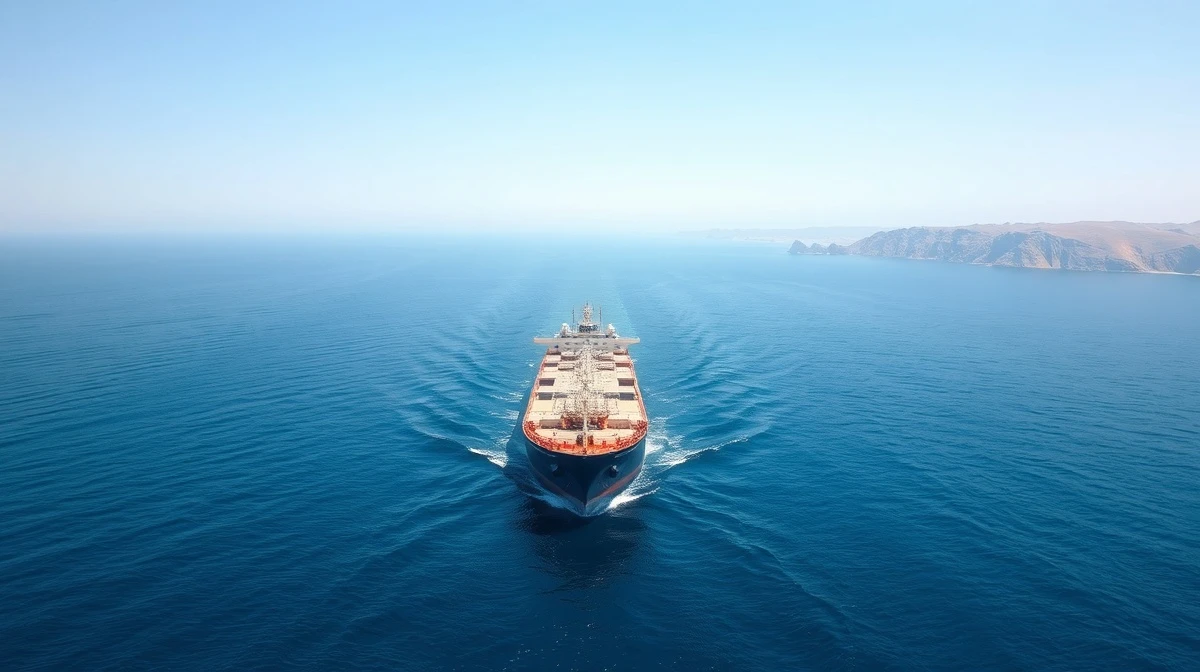
The chief executive of Saudi Aramco, Amin Nasser, has issued a stark warning that global oil markets may not return to balance until 2027 if ongoing disruptions in the Strait of Hormuz persist. Speaking at a recent energy conference, Nasser highlighted the severe impact of heightened geopolitical tensions in the region, which have already begun to affect shipping routes and supply chains critical to the world’s oil supply.
Strait of Hormuz: A Critical Chokepoint Under Pressure
The Strait of Hormuz, a narrow waterway between Iran and Oman, handles approximately 20% of the world’s oil consumption daily. Recent incidents involving military confrontations, tanker seizures, and increased naval patrols have raised insurance costs and forced some shipping companies to reroute vessels. Nasser emphasized that the current instability is unlike previous short-term disruptions, as it involves multiple state and non-state actors, making a quick resolution unlikely. The CEO noted that even a partial closure could remove millions of barrels per day from the market, creating a supply deficit that would take years to correct.
Also read: GOP Senator Proposes Federal Gas Tax Suspension Following Trump Endorsement
Implications for Global Supply and Prices
The warning comes as the Organization of the Petroleum Exporting Countries and its allies, including Russia, have been struggling to manage output levels amid fluctuating demand. Analysts point out that a prolonged Hormuz disruption would force buyers to seek alternative supplies from the United States, West Africa, and the North Sea, but these sources cannot fully compensate for the volume lost through the strait. This could drive benchmark crude prices above $120 per barrel, increasing inflationary pressures worldwide and slowing economic recovery in importing nations such as India, Japan, and European Union countries.
Impact on Energy Transition and Investment
Nasser also cautioned that persistent market instability could deter long-term investment in both traditional and renewable energy projects. Uncertainty over future supply and price volatility makes it difficult for companies to commit capital to new exploration or clean energy infrastructure. This, in turn, could delay the global energy transition, as governments and businesses face conflicting priorities between energy security and decarbonization goals. The CEO urged policymakers to focus on pragmatic solutions that ensure reliable energy supply while advancing climate objectives.
Also read: Texas Attorney General Sues Netflix, Alleging Illegal Collection of Children's Data
Conclusion
The Saudi Aramco CEO’s assessment underscores the fragility of global energy markets in the face of geopolitical risks. With the Strait of Hormuz remaining a flashpoint, the prospect of a multi-year recovery period highlights the need for diversified supply routes, strategic reserves, and diplomatic efforts to de-escalate tensions. For consumers and businesses, the warning signals that higher energy costs and supply uncertainty may become a persistent feature of the global economy through the remainder of the decade.
FAQs
Q1: Why is the Strait of Hormuz so important for oil markets?
The Strait of Hormuz is a narrow passage through which about 20 million barrels of oil pass daily, representing roughly one-fifth of global consumption. Any disruption there directly impacts global supply and prices.
Q2: What specific disruptions is the Saudi Aramco CEO referring to?
Nasser cited increased military activity, tanker seizures, and geopolitical tensions involving Iran, the UAE, and other regional powers that have made shipping through the strait riskier and more expensive.
Q3: Could the oil market recover faster than 2027?
Recovery depends on the duration and severity of the disruption. If tensions de-escalate quickly and shipping returns to normal, markets could stabilize within months. However, Nasser’s 2027 timeline reflects a scenario where disruptions persist and structural supply gaps emerge.

