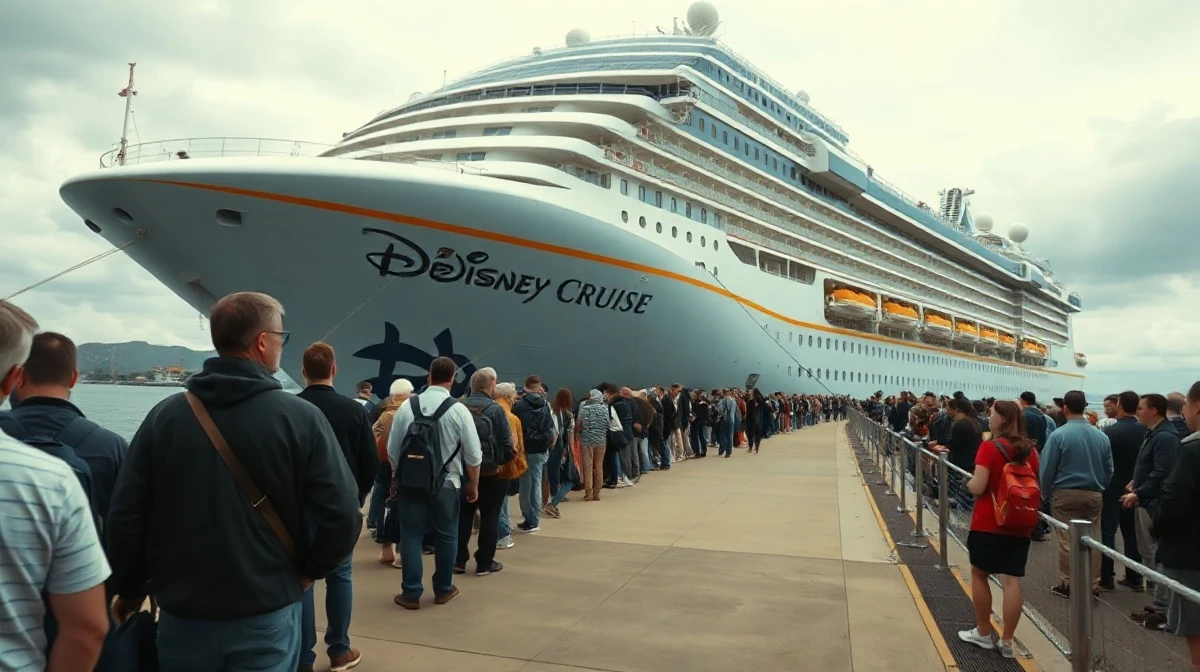
A highly anticipated Disney cruise was abruptly canceled after passengers had already boarded the ship, leaving hundreds of travelers stranded at the terminal for hours with little communication from the cruise line. The incident, which unfolded at a Florida port, has raised serious questions about passenger rights, emergency protocols, and the responsibilities of major cruise operators when voyages are halted at the last minute.
What Happened: A Timeline of Delays and Confusion
Passengers began boarding the Disney cruise ship on the morning of the scheduled departure. According to multiple accounts shared on social media and travel forums, the check-in process proceeded normally, with families and individuals entering the vessel and settling into their cabins. However, within a few hours, an announcement was made over the ship’s intercom system that the cruise would not be departing as planned.
Also read: Peter Thiel-backed fund invests in German drone startup Stark despite past criticism
The initial announcement provided few details, leaving passengers to speculate about the cause. Some reported hearing rumors of a mechanical issue, while others mentioned a potential medical emergency. As hours passed without further updates, frustration mounted. Families with young children, elderly passengers, and those with connecting flights grew increasingly anxious. By late afternoon, passengers were instructed to disembark, and many waited in long lines at the terminal to retrieve their luggage and receive further instructions.
Disney Cruise Line later confirmed that the cancellation was due to an unforeseen operational issue, but the company has not yet provided a detailed explanation. A spokesperson stated that the safety of guests and crew was the top priority and that affected passengers would receive a full refund and a future cruise credit.
Also read: Hedge Fund Pentwater to Pay Avis $650 Million in Settlement Over Stock Trading Claims
Passenger Response: Dissatisfaction Over Communication
Many passengers expressed disappointment not only with the cancellation itself but with the lack of timely and transparent communication from Disney. Several described the waiting period as confusing and stressful, noting that they received conflicting information from different crew members.
“We were told to stay in our rooms, then to go to the terminal, then to wait on the pier,” one passenger wrote on a travel forum. “No one seemed to know what was happening. It was hours of uncertainty.”
Others questioned whether the cruise line had adequate contingency plans for such scenarios. The incident has reignited broader discussions about the cruise industry’s customer service standards, particularly when disruptions occur after boarding has already taken place.
Industry Context and Passenger Rights
Cruise cancellations are relatively rare but not unheard of. When they do occur, cruise lines typically cite mechanical failures, weather conditions, or regulatory issues as the cause. In this case, the timing — after boarding — is particularly disruptive, as passengers have already committed time, travel, and often significant expense to reach the port.
Under standard cruise line contracts, passengers have limited legal recourse beyond refunds and credits. However, consumer advocates argue that cruise lines should provide more solid compensation, including reimbursement for travel expenses, lodging, and lost vacation time, especially when cancellations are announced after boarding.
This incident also highlights the importance of travel insurance, which can cover non-refundable expenses and provide additional peace of mind. Many travel experts recommend that cruise passengers purchase insurance that includes trip cancellation and interruption coverage.
What Passengers Should Do After a Cruise Cancellation
For those affected by this or similar cancellations, experts recommend the following steps:
- Document all communication from the cruise line, including announcements, emails, and written notices.
- Contact the cruise line’s customer service department to confirm refund and credit details.
- Submit receipts for any additional expenses, such as hotel stays or flight change fees, and request reimbursement.
- File a claim with travel insurance if applicable.
- Share feedback through official channels and consumer protection agencies to help improve industry practices.
Conclusion
The cancellation of a Disney cruise after boarding has left hundreds of passengers frustrated and seeking answers. While the cruise line has promised refunds and credits, the incident underscores the need for clearer communication and stronger passenger protections in the cruise industry. As travelers share their experiences, the broader conversation about accountability and consumer rights continues. For now, affected passengers are left to deal with the aftermath of a vacation that ended before it began.
FAQs
Q1: Why was the Disney cruise canceled after boarding?
Disney Cruise Line cited an unforeseen operational issue, but has not provided specific details. Safety was stated as the primary reason for the cancellation.
Q2: What compensation are passengers receiving?
Affected passengers are being offered a full refund and a future cruise credit. Additional compensation for travel expenses may be considered on a case-by-case basis.
Q3: Can passengers get reimbursed for flights and hotels?
Travel insurance may cover these expenses. Passengers should contact their insurance provider and submit receipts to the cruise line for possible reimbursement.
Q4: How common are cruise cancellations after boarding?
They are rare but can occur due to mechanical issues, medical emergencies, or regulatory problems. The timing makes them particularly disruptive for passengers.
Q5: What should I do if my cruise is canceled?
Document all communications, contact the cruise line, file insurance claims, and keep receipts for any additional costs incurred due to the cancellation.