
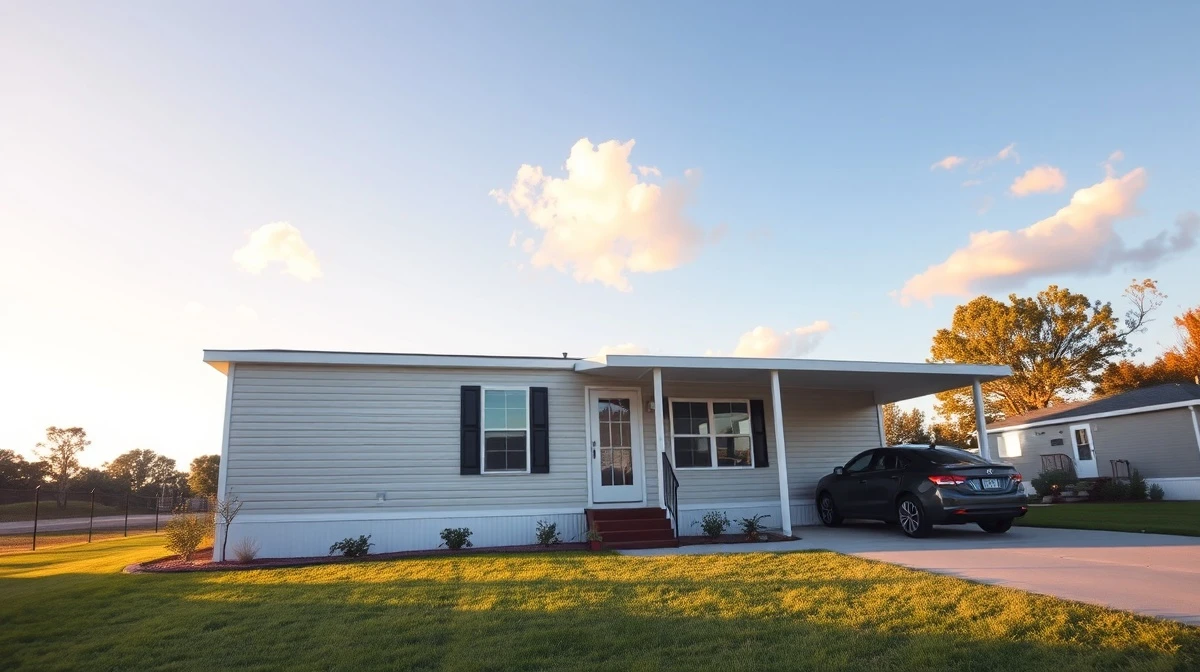
As housing costs continue to climb across the United States, a quiet but growing segment of the real estate market is offering substantial relief to budget-conscious buyers. Manufactured homes—often misunderstood and sometimes stigmatized—are emerging as a practical path to homeownership that can save families thousands of dollars annually compared to traditional site-built houses.
What Makes Manufactured Homes More Affordable?
The primary driver of savings is the construction process itself. Manufactured homes are built in controlled factory environments, which reduces material waste, labor costs, and construction time. According to industry data from the Manufactured Housing Institute, the average cost per square foot for a manufactured home is roughly half that of a site-built home. This difference can translate into savings of $50,000 to $100,000 or more on the purchase price alone.
Also read: Gen Z shoppers are helping revive America’s malls by demanding in-person experiences
Beyond the initial purchase, ongoing expenses are often lower. Many manufactured home communities offer lower property tax rates because the home is classified as personal property rather than real estate in some states. Additionally, modern manufactured homes are built to HUD code standards that include energy-efficient windows, insulation, and HVAC systems, which can reduce monthly utility bills by 15 to 30 percent compared to older site-built homes.
Tax Benefits and Financing Options
One of the less-publicized advantages is the tax treatment. In several states, manufactured homes classified as personal property are not subject to the same property tax rates as traditional homes. For example, in Texas and Florida, owners of manufactured homes in certain communities may pay significantly lower annual property taxes, saving hundreds to thousands of dollars each year.
Also read: Coca-Cola Shuts Down Historic Los Angeles Plant After More Than a Century of Operations
Financing has also improved. The Federal Housing Administration (FHA) offers Title I loans specifically for manufactured homes, and the Department of Veterans Affairs (VA) provides loan guarantees for eligible veterans. These programs often require lower down payments and offer competitive interest rates, making homeownership accessible to more Americans.
Hidden Costs to Consider
However, experts caution that not all manufactured home purchases are straightforward savings. Land lease fees in private communities can range from $300 to $800 per month, and these fees are subject to annual increases. Buyers who own the land underneath their home generally fare better financially, as they avoid lot rent and benefit from land appreciation over time.
Depreciation is another factor. While site-built homes typically appreciate in value, manufactured homes often depreciate, especially if placed on leased land. Buyers should research local market conditions and consider long-term resale value before committing.
Why This Matters Now
With the national median home price hovering near $400,000 and mortgage rates above 6 percent, many first-time buyers are priced out of traditional markets. Manufactured homes offer a viable alternative that can reduce monthly housing costs by 30 to 50 percent. For families earning median incomes, this can mean thousands of dollars in annual savings—money that can be redirected toward education, retirement, or emergency savings.
Consumer awareness is growing. According to a 2024 survey by the National Association of Realtors, 42 percent of prospective buyers said they would consider a manufactured home, up from 28 percent five years earlier. This shift reflects changing attitudes and improved quality standards in the industry.
Conclusion
Manufactured homes are not a one-size-fits-all solution, but for many Americans, they represent a financially sound path to homeownership. The combination of lower purchase prices, reduced utility costs, and favorable tax treatment can lead to substantial long-term savings. As housing affordability remains a national challenge, this often-overlooked segment of the market deserves closer attention from buyers and policymakers alike.
FAQs
Q1: Are manufactured homes safe and durable?
Yes. Modern manufactured homes are built to HUD code standards that include strict requirements for wind resistance, fire safety, and energy efficiency. Many newer models are comparable in quality to site-built homes.
Q2: Do manufactured homes appreciate in value?
It depends. Homes placed on owned land may appreciate, especially in desirable locations. Homes on leased land typically depreciate over time, similar to vehicles. Buyers should focus on long-term savings rather than investment potential.
Q3: What is the difference between a manufactured home and a mobile home?
The term “mobile home” generally refers to homes built before June 15, 1976, when HUD code standards took effect. Homes built after that date are called “manufactured homes” and are subject to federal construction and safety standards.

