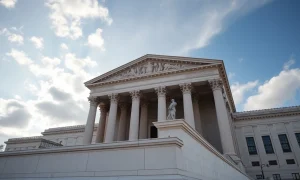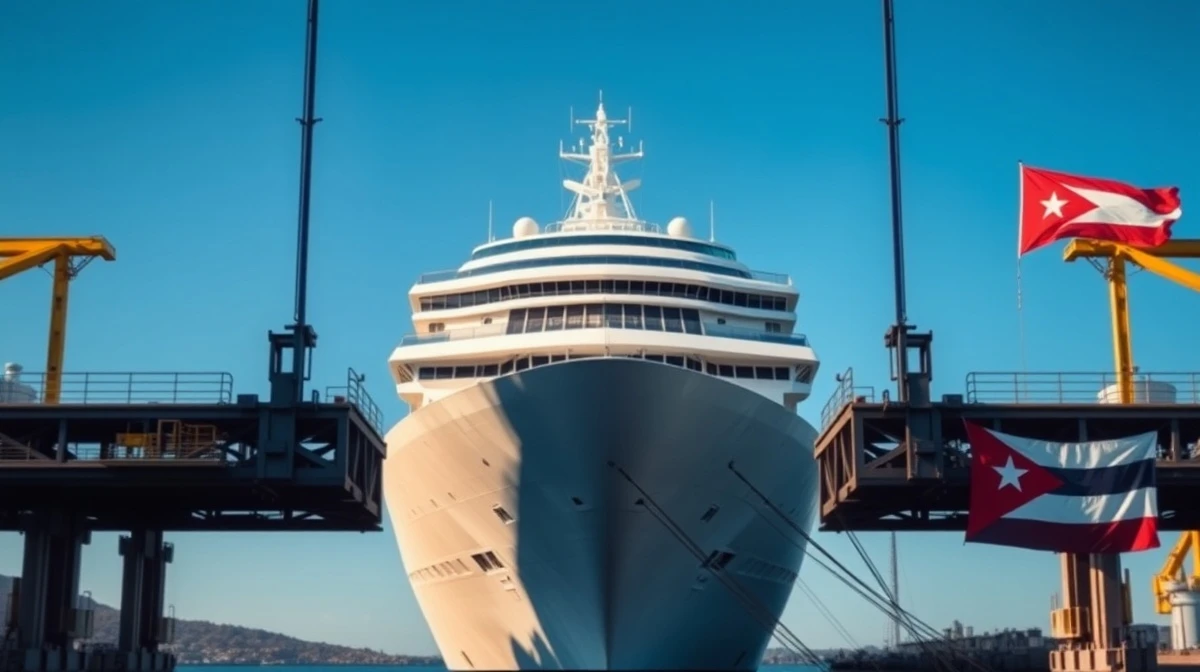
The U.S. Supreme Court has declined to hear an appeal from major cruise lines, effectively upholding a lower court ruling that could expose Carnival Corporation, Royal Caribbean, and Norwegian Cruise Line Holdings to combined liabilities exceeding $440 million. The decision stems from lawsuits filed by Cuban-American families who claim the companies profited from properties confiscated by the Cuban government after the 1959 revolution.
Background of the Legal Dispute
The cases originate under Title III of the Helms-Burton Act, a 1996 U.S. law that allows American citizens to sue entities trafficking in property seized by the Cuban government. For decades, successive U.S. presidents waived the provision to avoid diplomatic friction. However, the Trump administration ended those waivers in 2019, opening the door for litigation. Cruise lines had argued that their operations in Cuba were conducted under licenses from the U.S. government and that the Helms-Burton Act did not apply retroactively to properties seized decades earlier. The 11th U.S. Circuit Court of Appeals rejected those arguments, and the Supreme Court’s refusal to review the case leaves that ruling intact.
Also read: Three Major Hospital Systems Accuse CVS of Secretly Siphoning Hundreds of Millions in Drug Savings
Financial Exposure and Industry Impact
The $440 million figure represents estimated damages based on the value of the seized properties, plus accumulated interest and potential treble damages under the Helms-Burton Act. The plaintiffs include families who owned docks, terminals, and port facilities in Havana and other Cuban ports before the revolution. The cruise lines have argued that they were not directly involved in the original seizures and that the properties were used under agreements with the current Cuban government. Legal analysts note that the ruling could set a precedent for similar claims against other companies doing business in Cuba, including hotel chains and airlines.
Why This Ruling Matters
Beyond the immediate financial stakes, the Supreme Court’s decision reinforces the long reach of U.S. sanctions law and the rights of property owners under the Helms-Burton Act. For the cruise industry, already recovering from pandemic-related disruptions, this adds a significant legal and financial burden. It also signals to international businesses that operating in Cuba carries legal risks under U.S. law, even if the activity is otherwise permitted by the Cuban government.
Also read: Stellantis outlines $70B turnaround plan with 60 new models by 2030
Conclusion
The Supreme Court’s refusal to hear the cruise lines’ appeal clears the way for the largest group of Helms-Burton Act claims to proceed to trial or settlement. The outcome will likely influence future investment decisions in Cuba and shape the legal market for U.S. companies operating in sanctioned markets. The affected cruise lines have not yet commented on whether they will seek a settlement or continue to fight the claims in district court.
FAQs
Q1: What is the Helms-Burton Act?
The Helms-Burton Act is a 1996 U.S. law that strengthens the embargo against Cuba. Title III allows U.S. nationals to sue entities that traffic in property confiscated by the Cuban government after the 1959 revolution.
Q2: Why did the Supreme Court decline to hear the case?
The Supreme Court does not explain its reasons for denying certiorari. However, legal experts suggest the justices may have seen no circuit split or constitutional question that required their intervention.
Q3: Could this ruling affect other industries?
Yes. The decision may encourage additional lawsuits against other companies, such as hotel operators and airlines, that have conducted business in Cuba using properties seized after the revolution.