
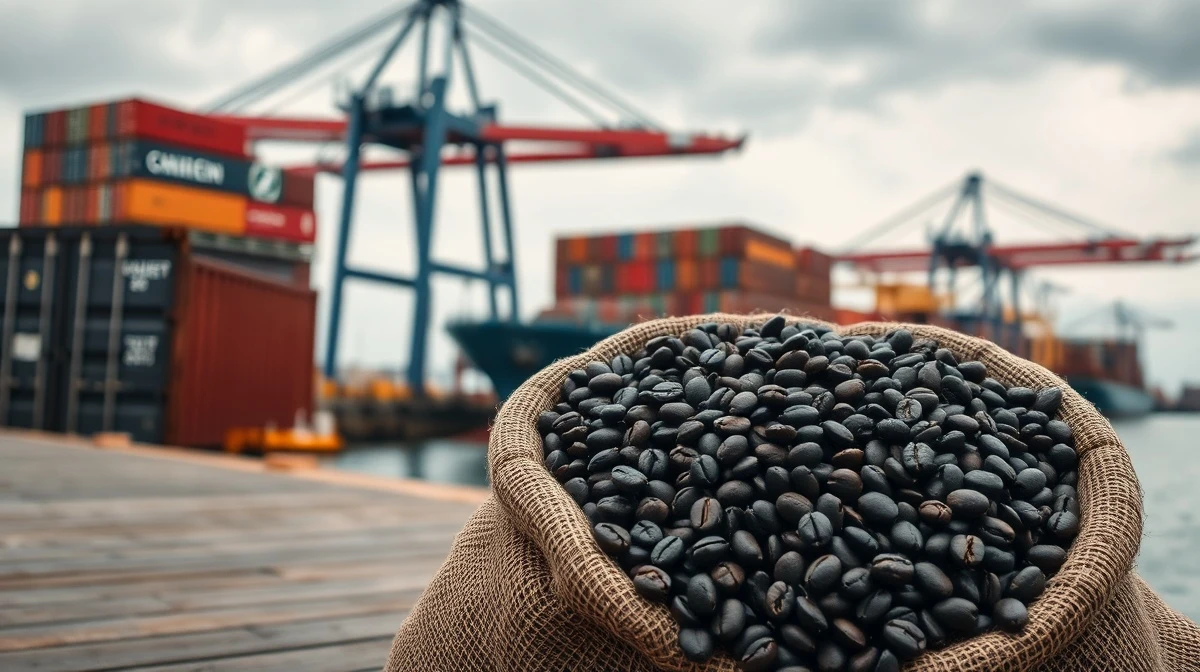
Coffee prices settled lower on Tuesday, pressured by a strengthening U.S. dollar, though losses were contained by persistent tightness in exchange inventories and ongoing disruptions to global shipping routes.
July arabica coffee (KCN26) closed down 2.15 cents, or 0.76%, while July ICE robusta coffee (RMN26) fell $22, or 0.63%. The dollar index ($DXY) edged higher, making dollar-denominated commodities like coffee more expensive for holders of other currencies, a familiar headwind for the market.
Also read: Chinese equities: BNY says strong investor flows support buy-the-dip stance
Inventories at Multi-Month Lows
A key factor limiting the downside was the continued decline in certified stocks. ICE arabica coffee inventories fell to a 2.5-month low of 471,831 bags on Tuesday. Meanwhile, ICE robusta inventories dropped to a two-year low of just 3,664 lots. Such low stockpiles signal near-term physical market tightness, which often provides a floor under futures prices even when macro pressure is present.
Supply Disruptions and Shipping Costs
The ongoing closure of the Strait of Hormuz continues to reverberate through global commodity supply chains. While the strait is most closely associated with oil shipments, its closure has broadly increased shipping rates, insurance premiums, and input costs for fertilizer and fuel. These higher costs are passed along the coffee supply chain, from importers to roasters, adding a layer of bullish support to prices.
Export data from Brazil, the world’s largest coffee producer, also lent support. Cecafe reported that Brazil’s March green coffee exports fell 10% year-over-year to 2.65 million bags. The country’s Trade Ministry separately reported a 31% year-over-year decline in March coffee exports to 151,000 metric tons. The drop is partly attributed to logistical bottlenecks and a smaller off-year in the arabica biennial production cycle.
Bearish Factors: Vietnam’s Rising Exports and Record Brazilian Crop Forecasts
On the bearish side, Vietnam’s robusta exports continue to surge. The country’s National Statistics Office reported that coffee exports in the first four months of 2026 rose 15.8% year-over-year to 810,000 metric tons. For the full year 2025, Vietnamese coffee exports jumped 17.5% to 1.58 million metric tons. Vietnam’s 2025/26 production is projected to climb 6% year-over-year to a four-year high of 1.76 million metric tons (29.4 million bags), adding significant supply to the robusta market.
In Brazil, multiple analysts have raised their production forecasts for the upcoming 2026/27 crop. The Coffee Trading Academy projects a 12% year-over-year increase to 71.4 million bags. Marex Group Plc forecasts a record 75.9 million bags, while StoneX raised its estimate to a record 75.3 million bags. StoneX also projects the global coffee surplus will expand to 10 million bags in 2026, up from 1.8 million bags in 2025, which would be the largest surplus in six years. These supply-side expectations are weighing on longer-term price outlooks.
Global Supply and Demand Balance
The International Coffee Organization (ICO) reported that global coffee exports for the current marketing year (October-September) fell 0.3% year-over-year to 138.658 million bags. The USDA’s Foreign Agriculture Service (FAS) projects world coffee production in 2025/26 will rise 2% to a record 178.848 million bags, with arabica output declining 4.7% to 95.515 million bags and robusta output increasing 10.9% to 83.333 million bags. FAS forecasts 2025/26 ending stocks will fall 5.4% to 20.148 million bags, a factor that could keep a floor under prices if supply disruptions persist.
Why This Matters
For coffee traders, roasters, and consumers, the tug-of-war between a strong dollar and tight near-term inventories creates a volatile trading environment. The dollar’s trajectory will remain a key short-term driver, while the longer-term direction depends on whether record Brazilian crops materialize and whether supply chain disruptions ease. Roasters face continued margin pressure from elevated shipping and input costs, while consumers may see retail prices remain elevated until the supply-demand balance shifts more decisively toward surplus.
FAQs
Q1: Why does a stronger dollar hurt coffee prices?
Because coffee is priced in U.S. dollars globally. When the dollar strengthens, buyers using other currencies must pay more for the same amount of coffee, which tends to reduce demand and push prices lower.
Q2: What is the significance of low ICE coffee inventories?
Low certified inventories on ICE exchanges indicate that physical supplies available for delivery against futures contracts are tight. This often supports futures prices because it suggests that any sudden increase in demand could quickly strain available stocks.
Q3: How does the Strait of Hormuz closure affect coffee prices?
While the strait is not a major coffee shipping route, its closure has broadly increased global shipping costs, insurance rates, and fuel prices. These higher input costs are passed through the coffee supply chain, making it more expensive to transport and process coffee, which can support futures prices.

