The euro is holding its ground against the US dollar, trading near 1.1590 during the early European session on Monday, August 31, 2026. However, the single currency’s ability to push higher is being constrained by a strengthening greenback, as market participants have ramped up their bets on a Federal Reserve rate hike following hawkish remarks from Fed Chair Kevin Warsh.
While the pair has maintained a bullish technical posture above the 100-day Simple Moving Average (SMA), the fundamental backdrop suggests the path of least resistance for the dollar is higher, at least in the near term. This dynamic is creating a tug-of-war between technical momentum and monetary policy expectations.
Also read: South Korean Won Strengthens as Bank of Korea Delivers Back-to-Back Rate Hikes
Fed’s Warsh Shifts Rate Expectations
The core driver of the dollar’s recent resilience is the shift in Federal Reserve policy expectations. Fed Chair Kevin Warsh’s recent comments have been interpreted by the market as a clear signal that the central bank is leaning toward further monetary tightening to combat persistent inflationary pressures. According to CME Group’s FedWatch tool, the probability of a rate hike at the next Federal Open Market Committee (FOMC) meeting has risen significantly over the past week, a move that typically supports the US dollar by making dollar-denominated assets more attractive to yield-seeking investors.
This marks a notable departure from the earlier part of the year when markets were pricing in potential rate cuts. The repricing has been swift, and the euro has felt the pressure. In contrast, the European Central Bank (ECB) has maintained a more cautious tone, with policymakers signaling a data-dependent approach that has yet to match the Fed’s hawkish rhetoric.
Also read: US Dollar: Policy Reality Supports Resilience, OCBC Says
Technical Levels and Key Support for EUR/USD
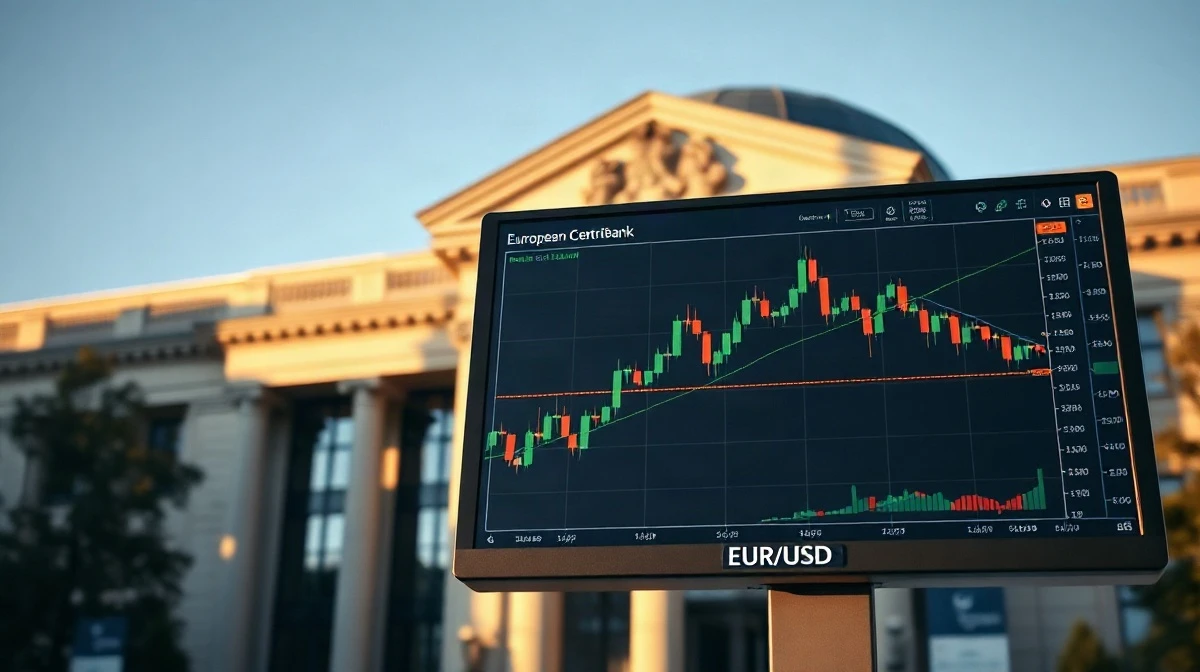
From a technical perspective, the pair’s position above the 100-day SMA is a bullish signal that has kept the broader trend intact. Traders are now watching a few key levels to gauge the next directional move.
- Immediate Resistance: The 1.1600 psychological level is the first hurdle. A decisive break above this could open the door toward the 1.1650 region.
- Key Support: On the downside, the 100-day SMA, currently hovering near 1.1550, serves as the primary support. A close below this level would negate the current bullish vibe and could trigger a sell-off toward 1.1480.
- Momentum Indicators: The Relative Strength Index (RSI) on the daily chart is holding in neutral territory, suggesting that the market has not yet become overbought or oversold, leaving room for movement in either direction.
These levels are significant for short-term traders, but the broader narrative remains tied to the divergence in central bank policies between the US and the Eurozone.
What This Means for Traders and the Broader Market
For forex traders, the current environment underscores the importance of central bank guidance as the primary market catalyst. The hawkish pivot from the Fed has not only strengthened the dollar against the euro but has also had ripple effects across other major currency pairs and global bond markets. Yields on US Treasuries have edged higher, which in turn pressures emerging market currencies and can lead to capital outflows from riskier assets.
Looking ahead, the immediate focus will be on upcoming US economic data, particularly the non-farm payrolls report scheduled for later this week. A strong jobs number could solidify the case for a September rate hike, providing further tailwinds for the dollar. Conversely, a weak print could force traders to unwind their hawkish bets, potentially giving the euro a reprieve and allowing EUR/USD to push above the 1.1600 mark.
Until then, the technical setup above the 100-day SMA suggests that buyers remain in control, but the fundamental headwinds from the Fed’s policy stance are likely to keep any upside limited in the near term.
Disclaimer: This article is for informational purposes only and does not constitute financial advice. The foreign exchange market is highly volatile and involves significant risk. Prices can move rapidly, and past performance is not indicative of future results. Always conduct your own research and consult with a qualified financial advisor before making any trading decisions.