
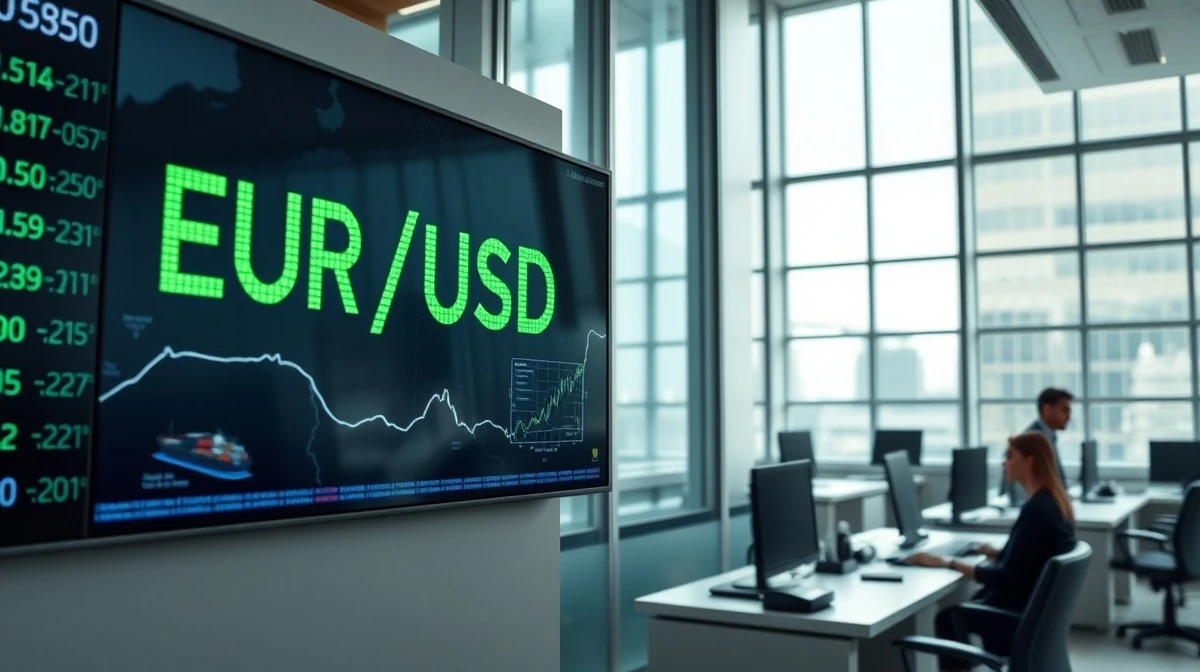
The euro climbed against the U.S. dollar on Friday, as escalating geopolitical tensions in the Strait of Hormuz diverted investor attention from a surprisingly resilient U.S. jobs report. The currency pair, EUR/USD, rose 0.4% to trade near 1.0950, marking its second consecutive weekly gain, as markets recalibrated risk premiums in response to potential disruptions to global energy supplies.
Geopolitical Risk Outweighs Strong Economic Data
The U.S. Labor Department reported that nonfarm payrolls increased by 256,000 in January, significantly exceeding the consensus estimate of 185,000. The unemployment rate held steady at 4.1%, and average hourly earnings rose 0.3% month-over-month. Typically, such a strong jobs report would bolster the dollar by reinforcing expectations that the Federal Reserve will maintain higher interest rates for longer. However, the currency market reaction was muted as traders focused on the deteriorating security situation in the Middle East.
Also read: Swiss Franc Dips Against Dollar, Rises Versus Euro in Mixed Forex Session
Reports of heightened naval activity and a brief seizure of a commercial vessel near the Strait of Hormuz on Thursday triggered a flight to safe-haven assets, but paradoxically, the euro benefited as the dollar faced selling pressure from concerns over U.S. energy import costs and potential inflationary shocks. The Strait of Hormuz, a narrow waterway between Iran and the Arabian Peninsula, handles about 20% of the world’s oil transit. Any disruption there directly impacts global crude prices and, by extension, currency valuations tied to trade flows.
Market Implications and Trader Sentiment
Analysts noted that the euro’s resilience reflects a broader market reassessment. While the U.S. economy shows strength, the immediate threat to energy supplies from the Hormuz situation is seen as a more pressing variable for short-term currency movements. The dollar index (DXY) fell 0.3% on the day, erasing gains made earlier in the session following the jobs data release.
Also read: Pound Sterling faces a heavy week as Westminster empties out
What This Means for Traders
For forex traders, the key takeaway is that geopolitical risk premiums are currently overriding traditional macroeconomic fundamentals. The euro’s gain suggests that markets are pricing in a higher probability of sustained instability in the Middle East, which could lead to increased demand for European exports as an alternative to dollar-denominated energy contracts. Conversely, a de-escalation in tensions could quickly reverse the euro’s gains, making the pair highly sensitive to headlines from the region.
Conclusion
The euro’s rise against the dollar demonstrates that in today’s interconnected markets, geopolitical events can swiftly eclipse even the most significant economic data releases. The combination of a strong U.S. labor market and rising Middle East tensions creates a complex trading environment where traditional correlations break down. Investors should remain vigilant, as the situation in the Strait of Hormuz remains fluid and any diplomatic resolution could trigger a sharp reversal in currency markets.
FAQs
Q1: Why did the euro rise if the US jobs report was strong?
A: The euro rose because geopolitical tensions in the Strait of Hormuz created uncertainty about global energy supplies, which outweighed the positive economic data from the US. Investors moved away from the dollar due to concerns over potential oil price spikes and their impact on the US economy.
Q2: How does the Strait of Hormuz affect currency markets?
A: The Strait of Hormuz is a critical chokepoint for global oil shipments. Any disruption there raises oil prices, which can increase inflation and alter trade balances. Currencies of oil-importing nations may weaken, while those of oil-exporting or less-dependent regions, like the eurozone, may strengthen in relative terms.
Q3: Could the euro’s gain reverse quickly?
A: Yes. Currency markets are highly sensitive to news flow. If tensions in the Strait of Hormuz de-escalate or a diplomatic solution emerges, the euro could give back its gains as the dollar regains its footing on the back of strong US economic fundamentals.

