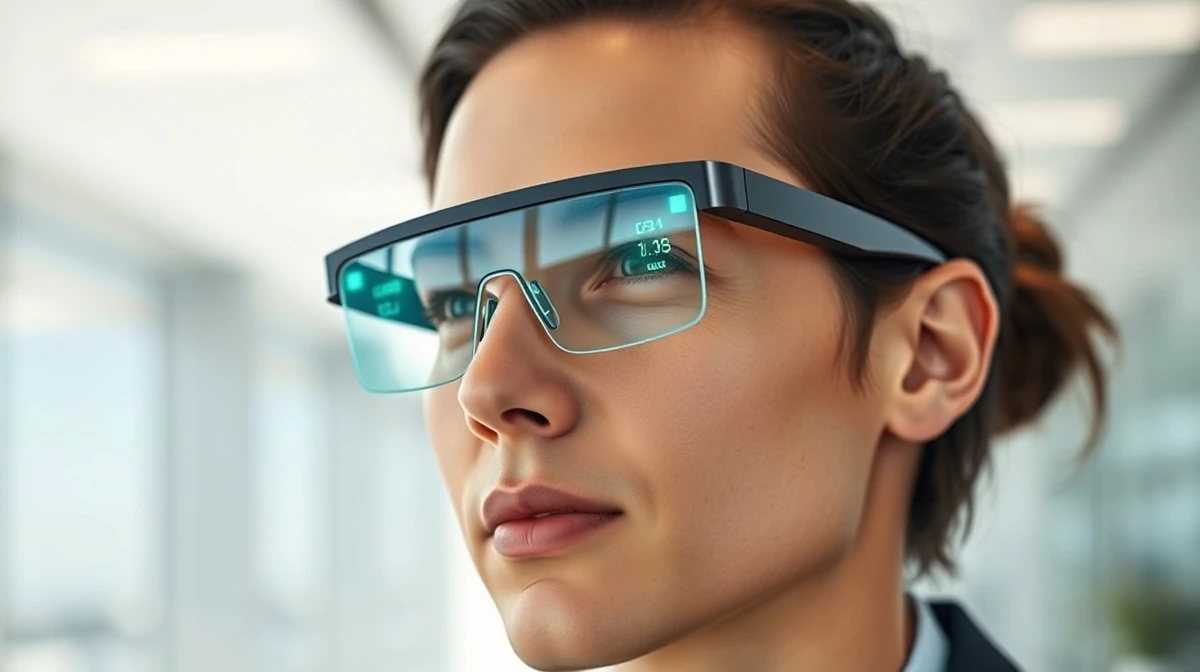
Even Realities is betting that the future of smart glasses doesn’t need a camera. The company’s second-generation G2 glasses, priced at $599, strip out the recording hardware found on competitors like the Meta Ray-Bans and instead focus on a monochrome neon-style heads-up display for productivity. After using the G2 for several months, the hardware impresses, but the software — and the device’s heavy reliance on a phone connection — still holds it back.
A productivity-first approach without cameras
Unlike Meta, Snap, and others racing to build camera-equipped smart glasses with color screens, Even Realities has deliberately omitted cameras and speakers. The company argues that for a productivity-focused device, recording capabilities create privacy concerns that undermine the core use case. The G2 instead uses a green monochrome display that the company says is legible in any lighting — rated at 1,200 nits, up from 1,000 nits on the G1.
Also read: Apple's Mac Mini M6 lands at $899 with 4x AI performance boost, ships September 22
The display area is 75% larger than the G1, with a 60Hz refresh rate (up from 20Hz). Four microphones replace the two on the previous model, though in testing, ambient noise in India frequently caused the voice assistant to mishear commands or fail to activate.
Design and hardware: Lightweight but reliant on the phone
At 35 grams, the G2 is notably light. The frame uses magnesium alloy, and the temples are titanium alloy. Two frame designs are available, and the glasses fit comfortably for extended wear. The lenses include UV protection, making them practical for outdoor use even without the smart features activated.
Also read: NHTSA escalates GM EV brake probe to engineering analysis, covering over 1 million vehicles
The battery is claimed to last up to two days on a single charge, and the included charging case can recharge the glasses seven times before needing to be plugged in. The case is large — not pocketable — but feels sturdy and holds the glasses securely.
The biggest hardware limitation is connectivity. Early in the review period, the glasses frequently disconnected from the phone app. Several app updates improved this significantly, but the relationship remains frustrating at times. The glasses cannot operate independently; they are essentially a wearable display tethered to a phone.
Features: Translation, navigation, and AI context
The G2 offers several functions accessible through a long-press on the temple touchpad: Translate, Conversate, Teleprompt, Work through, a to-do list, and a notifications tray. A double-tap brings up a dashboard with calendar, stocks, and news.
Translate worked well in testing at the Global Connect Show in China, where the glasses provided real-time translations from Chinese, French, and Spanish. The downside is that the other person cannot see the translation unless they also use the app.
Deal with shows turn-by-turn directions on the display, but does not support Google Maps or Apple Maps. Routes must be set through the Even Realities app, which in testing frequently got addresses wrong. The feature could be useful for cyclists or motorbike riders once accuracy improves.
Conversate initially showed a live transcript of conversations, which felt redundant. A later update added a “prep notes” feature that lets users upload documents or notes before a meeting, with the AI surfacing contextual explainer bubbles. During a briefing on energy, the glasses displayed a bubble for “Green Hydrogen” that, when tapped, showed a definition. This was genuinely useful, though the constant stream of AI-generated context is not something most users would want for every conversation.
The built-in Even AI assistant responds to a wake word but often misunderstood to-do list requests. Answers to general questions appeared as long paragraphs scrolling across the display with no way to interrupt or skip ahead. The assistant also struggled with voice recognition in noisy outdoor environments.
The R1 ring: A $249 accessory that doesn’t justify itself
Even also launched a companion ring, the R1, for $249. It includes a touch surface for controlling the glasses and adds health tracking — heart rate, steps, sleep, and SpO2. The ring worked well in testing, but the touch-sensitive temples on the glasses already provide the same control. The health tracking feels like an afterthought compared to dedicated devices from Oura or Ultrahuman. A lower-priced ring with a built-in mic for voice commands would be more useful, but as it stands, the R1 is hard to recommend.
Where the G2 fits in the smart glasses market
The smart glasses market is accelerating. Meta’s Ray-Bans have proven popular without a display, while companies like Snap, Rokid, and Inmo are developing color-screen models. The Even G2 occupies a narrow niche: a display-first device for people who need translation, teleprompting, or meeting notes without recording anyone.
The hardware is well-built and the display is legible, but the software ecosystem is thin. Even Realities recently reached unicorn status and is working to support third-party apps, but none tested were compelling enough to make the glasses a daily necessity. For most users, the phone already handles notifications, navigation, and notes — the glasses add convenience but not enough to justify the $599 price tag.
The company’s bet that productivity, not recording, is the right direction for smart glasses is defensible. But to make that bet pay off, Even needs to build first-party software that makes the glasses something people actually reach for — not just a nice-to-have accessory for early adopters.
Frequently Asked Questions
How much do the Even Realities G2 smart glasses cost?
The Even Realities G2 smart glasses cost $599. The optional R1 companion ring costs an additional $249.
Do the Even Realities G2 glasses have a camera or speakers?
No, the Even Realities G2 deliberately omits cameras and speakers. The company focuses on productivity and privacy, so the glasses do not record video or audio.
What can the Even Realities G2 do?
The G2 can display real-time translations, turn-by-turn navigation, meeting transcripts with AI context bubbles, notifications, a teleprompter, and a to-do list. It also shows a dashboard with calendar, stocks, and news.
How long does the Even Realities G2 battery last?
The company claims up to two days of typical use on a single charge. The charging case can recharge the glasses up to seven times before needing to be plugged in.
Are the Even Realities G2 glasses comfortable to wear?
Yes, the glasses weigh only 35 grams and are made from magnesium and titanium alloys. They are designed to be comfortable for all-day wear, with UV protection built into the lenses.