
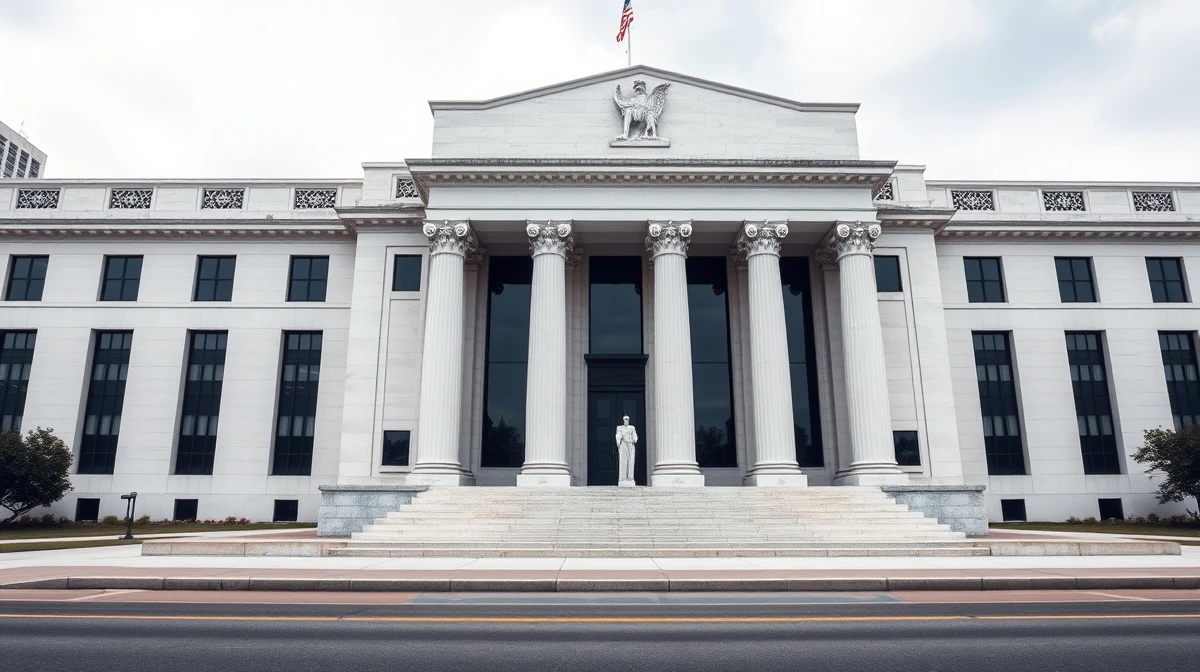
Analysts at ING have issued a stark warning: a ‘surprise risk’ emanating from the Federal Reserve is a primary reason global interest rates are remaining elevated, defying earlier market expectations for a swift decline. The Dutch bank’s assessment, published this week, suggests that the lingering uncertainty over the Fed’s next move is acting as a persistent upward force on borrowing costs worldwide.
The Fed Factor in Global Rate Dynamics
ING’s analysis centers on the idea that financial markets have not fully priced in the possibility of a policy error or a significant shift in the Fed’s stance. While inflation has moderated from its 2022 peaks, it remains above the Fed’s 2% target. Recent data on consumer spending and employment has also shown unexpected resilience, reducing the urgency for the central bank to cut rates. This creates a ‘surprise risk’ scenario: if the Fed is forced to hold rates steady for longer, or even hike again, it would upend current market pricing.
Also read: The Corgi-Inspired ETF Provider Taking Aim at BlackRock's Throne
The impact is already visible in the US Treasury market. The yield on the benchmark 10-year Treasury note, a key driver of global borrowing costs, has remained stubbornly above 4% for much of 2025, a level many analysts had expected to fall below by now. This directly feeds into higher mortgage rates, corporate bond yields, and the cost of government debt for nations around the world.
Global Spillover and Market Implications
The ‘surprise risk’ is not contained to the United States. ING highlights a powerful transmission mechanism: when US interest rates stay high, capital flows out of emerging markets and into dollar-denominated assets, forcing central banks from Brazil to South Korea to maintain tighter monetary policy than they otherwise would. This dynamic was a hallmark of the 2022-2023 tightening cycle and appears to be persisting.
Also read: Lloyds targets £2bn in cost cuts as it unveils four-year strategy shift
For investors, the message is clear. The ‘higher for longer’ narrative, which many hoped would fade in 2024, is being reinforced by the very uncertainty ING describes. Equity markets, particularly growth and technology stocks that are sensitive to future discount rates, remain vulnerable to any hawkish surprise from the Fed. Currency markets are also on edge, with the US dollar remaining strong against a basket of major currencies.
What to Watch Next
The key data points that will either confirm or dispel ING’s warning are the upcoming US Consumer Price Index (CPI) and Personal Consumption Expenditures (PCE) price index reports. A series of higher-than-expected inflation prints would validate the ‘surprise risk’ thesis and likely lead to a further repricing of rate expectations. Conversely, a clear downward trend in inflation could allow the Fed to pivot, potentially easing global rate pressures. The next Federal Open Market Committee (FOMC) meeting, scheduled for later this quarter, will be the critical event where the central bank can provide updated economic projections and dot-plot guidance to the market.

