
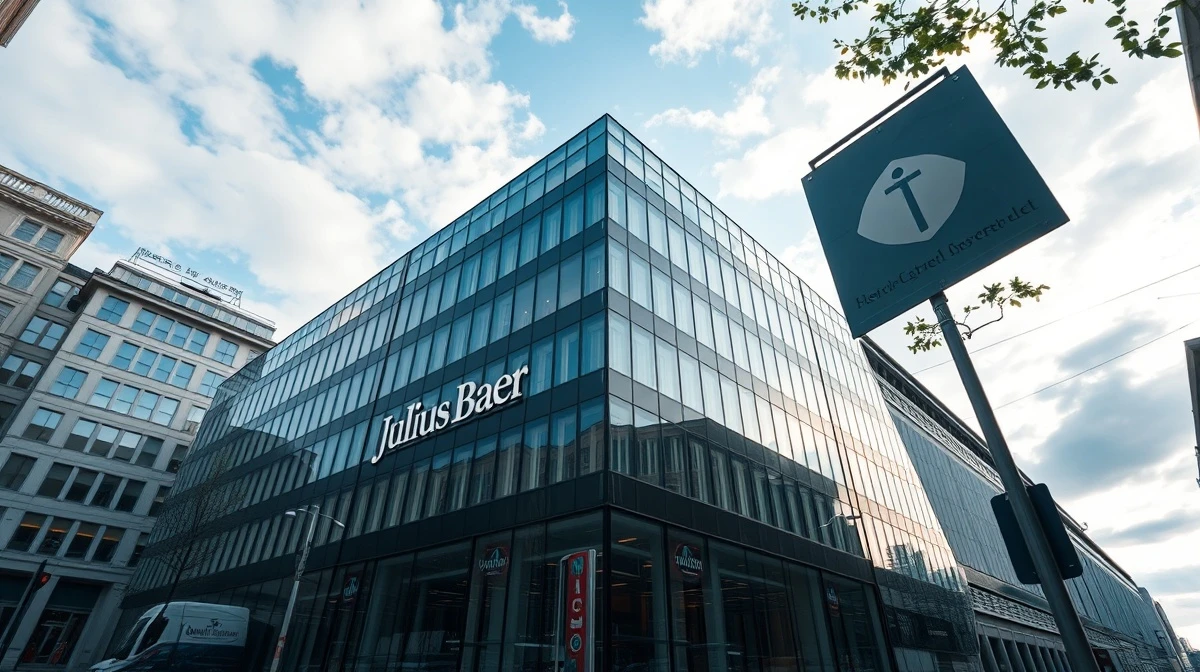
Julius Baer, the Zurich-based private bank, reported net profit of SFr673mn (US$763mn) for the full year 2024, more than doubling from the prior year’s SFr327mn, as early signs of a turnaround strategy began to materialize. The Swiss wealth manager, which has been undergoing a restructuring under CEO Philipp Rickenbacher, said higher fee income and cost discipline drove the recovery.
Turnaround strategy gains traction
The bank’s operating income rose 12% to SFr3.6bn, supported by a 9% increase in net fee and commission income, which reached SFr2.2bn. Julius Baer has been streamlining its operations, cutting costs by SFr120mn through workforce reductions and branch closures, while focusing on its core wealth management business for high-net-worth clients. The cost-income ratio improved to 72.3% from 78.5% a year earlier, signaling greater efficiency.
Also read: Standard Chartered: China fiscal support ready to re-accelerate
Rickenbacher, who took over in 2020, has been under pressure to revive growth after the bank’s profit slumped in 2023 amid market volatility and higher provisions for bad loans. The 2024 results suggest the restructuring is starting to pay off, though the bank warned that geopolitical uncertainties and interest rate changes could still weigh on performance.
Wealth management revenue rebounds
Assets under management rose 7% to SFr480bn, reflecting net new money inflows of SFr8.2bn and positive market movements. The bank’s private clients business, which accounts for the bulk of revenue, saw a 10% increase in net fee income, as client trading activity picked up in the second half of the year. Julius Baer also benefited from higher interest income on its loan book, though net interest margins narrowed slightly due to lower central bank rates.
Also read: Commerzbank Warns China Faces Prolonged Stagnation Path
The bank’s performance in Asia, a key growth region, was mixed. Revenue from the region grew 5%, but slower than in previous years, as the Chinese economic slowdown dampened client activity. Julius Baer has been expanding its presence in Southeast Asia and the Middle East to offset weaker demand in mainland China.
What this means for investors and the Swiss banking sector
The results are a positive signal for Julius Baer’s shareholders, who have seen the stock decline by about 15% over the past two years amid concerns about the bank’s growth prospects. The shares rose 3.2% in early trading on the SIX Swiss Exchange following the earnings release, as analysts at JPMorgan upgraded the stock to ‘overweight’, citing the turnaround progress.
For the broader Swiss banking sector, Julius Baer’s rebound contrasts with the challenges faced by larger rivals. UBS, which absorbed Credit Suisse in 2023, reported a 10% drop in profit for the same period, weighed down by integration costs. Credit Suisse, now part of UBS, continues to shed assets. Julius Baer’s focused strategy on private banking for wealthy individuals may offer a more resilient model in an environment of rising regulatory costs and margin compression.
Looking ahead, the bank aims to achieve a cost-income ratio below 70% by 2026, and has set a target of SFr1bn in net profit by 2027, contingent on stable markets. Rickenbacher said in a statement: “Our 2024 results demonstrate that we are on the right path. We will continue to invest in our core capabilities while maintaining strict cost control.” Investors will watch for further details at the bank’s investor day in May.

