Private investment in fusion energy has surged past $12 billion, with at least 17 startups now having raised over $100 million in committed capital, according to data from FusionX provided to TechCrunch. The sector, long mocked as perpetually “a decade away,” has attracted serious money from investors like Bill Gates, Sam Altman, and Jeff Bezos, driven by advances in high-temperature superconducting magnets, AI-driven simulations, and the 2022 scientific breakeven milestone at the U.S. National Ignition Facility.
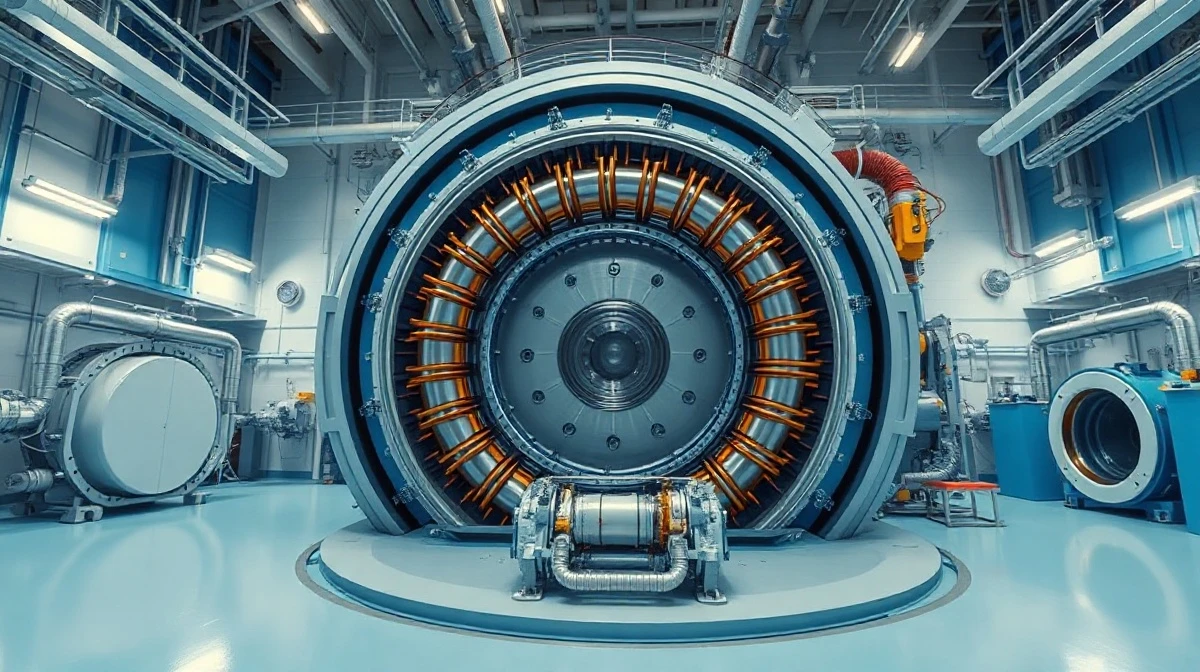
Commonwealth Fusion Systems (CFS) leads the pack with $3.94 billion raised, including a $1 billion round closed in July 2026. The Massachusetts-based company is building Sparc, a tokamak reactor expected to reach scientific breakeven in 2027, with its commercial Arc plant planned for Virginia. Helion, backed by Sam Altman and SoftBank, has raised $3.2 billion and plans to deliver electricity to Microsoft by 2028 using a field-reversed configuration design.
Also read: US courts to publish spyware wiretap counts for first time, ending decades of secrecy
From billion-dollar rounds to strategic pivots
TAE Technologies, a veteran founded in 1998, announced a merger with Trump Media & Technology Group in December 2025, valuing the combined entity at $6 billion. The deal, expected to close later this year, would provide TAE with $200 million plus an additional $100 million upon SEC filing. Pacific Fusion, led by former Human Genome Project head Eric Lander, secured a $1 billion Series A with milestone-based tranches.
Other notable raises include Proxima Fusion ($682.9 million), Shine Technologies ($1 billion), and Inertia Enterprises ($450 million). General Fusion, which went public via SPAC on the Nasdaq in July 2026, raised $127 million in that transaction after a turbulent year that included layoffs and a pay-to-play round. Zap Energy announced a partial pivot to fission in April, while First Light Fusion shifted to licensing its technology.
Also read: Pocket is gone: the best read-it-later apps to save articles in 2026
What the funding surge means for the energy market
The influx of capital reflects growing confidence that fusion can become a commercial reality within a decade. Google has already agreed to purchase half of CFS’s Arc output, and Microsoft signed a power purchase agreement with Helion. These deals signal that major corporations see fusion as a viable clean energy source, potentially disrupting trillion-dollar electricity markets.
However, challenges remain. Many startups face technical hurdles in achieving commercial breakeven, and timelines have slipped. General Fusion’s near-death experience in 2025 highlights the financial fragility of even well-funded ventures. Investors are increasingly demanding milestones, as seen with Pacific Fusion’s tranche structure.
Looking ahead, the next few years will be critical. CFS expects Sparc to be operational by late 2026 or early 2027, while Helion aims for 2028. If these demonstrations succeed, fusion could attract even more capital and accelerate toward grid-scale deployment. If they falter, the industry may face a consolidation phase.
For readers tracking this space, the key metrics to watch are scientific breakeven (Q > 1), commercial breakeven, and the ability to secure offtake agreements. The companies listed here represent the vanguard of a technology that could reshape global energy production, but the path from lab to grid remains fraught with technical and financial obstacles.
Disclaimer: This article provides an overview of funding and company developments and does not constitute financial advice. The fusion energy market is volatile and subject to significant uncertainties; readers should conduct their own research before making any investment decisions.