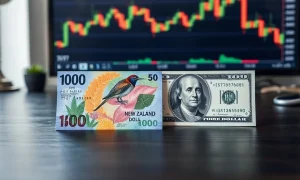
Gold prices extended their upward momentum on Tuesday, climbing to $4,750 per troy ounce and marking a fresh two-week high. The rally was fueled by a softer U.S. dollar and growing market expectations that the Federal Reserve may pause or slow the pace of its interest rate hikes in the coming months.
Dollar Weakness and Rate Expectations Drive Gold Demand
The precious metal’s latest advance comes as the U.S. Dollar Index slipped to a two-week low, making gold more affordable for holders of other currencies. Traders are increasingly pricing in a less aggressive monetary policy stance from the Fed, following recent economic data that pointed to a cooling labor market and easing inflationary pressures.
Also read: Pound Sterling faces a heavy week as Westminster empties out
According to CME Group’s FedWatch Tool, the probability of a rate hike at the Fed’s next meeting has fallen below 50%, down from over 70% just a month ago. This shift in sentiment has diminished the opportunity cost of holding non-yielding assets like gold, which typically thrives in a low-rate environment.
Technical and Fundamental Factors Align
From a technical perspective, gold’s break above the $4,700 resistance level triggered stop-loss buying and attracted momentum-driven investors. Analysts note that the metal is now testing the upper end of its recent trading range, with the next key resistance level seen near $4,800.
Also read: US Dollar Index Holds Firm Near 101.00 as Traders Assess Fed Outlook
Fundamentally, geopolitical uncertainties and central bank buying continue to provide underlying support. The People’s Bank of China, for instance, added to its gold reserves for a seventh consecutive month in May, reinforcing the trend of de-dollarization among emerging-market central banks.
What This Means for Investors
For retail and institutional investors, the current gold rally signals a potential shift in portfolio allocation strategies. With bond yields stabilizing and the dollar under pressure, gold is regaining its appeal as a hedge against currency depreciation and inflation. However, market participants should remain cautious: any hawkish surprise from the Fed or a sudden rebound in the dollar could trigger a sharp pullback.
Conclusion
Gold’s climb to $4,750 reflects a convergence of favorable macro factors: a weaker dollar, diminished rate hike bets, and sustained central bank demand. While the near-term outlook remains bullish, the metal’s trajectory will depend heavily on upcoming U.S. inflation data and Fed commentary. Investors should monitor these catalysts closely for signs of a sustained breakout or a reversal.
FAQs
Q1: Why does gold rise when the dollar weakens?
Gold is priced in U.S. dollars. When the dollar weakens, it takes fewer units of other currencies to buy the same amount of gold, increasing demand from international buyers and pushing prices higher.
Q2: How do Fed rate hike expectations affect gold prices?
Higher interest rates increase the opportunity cost of holding gold, which pays no interest or dividends. When expectations of rate hikes decline, gold becomes more attractive relative to yield-bearing assets.
Q3: What is the next key level for gold?
Analysts identify $4,800 as the next major resistance level. A decisive break above that could open the door toward $5,000, while support is seen near $4,600.