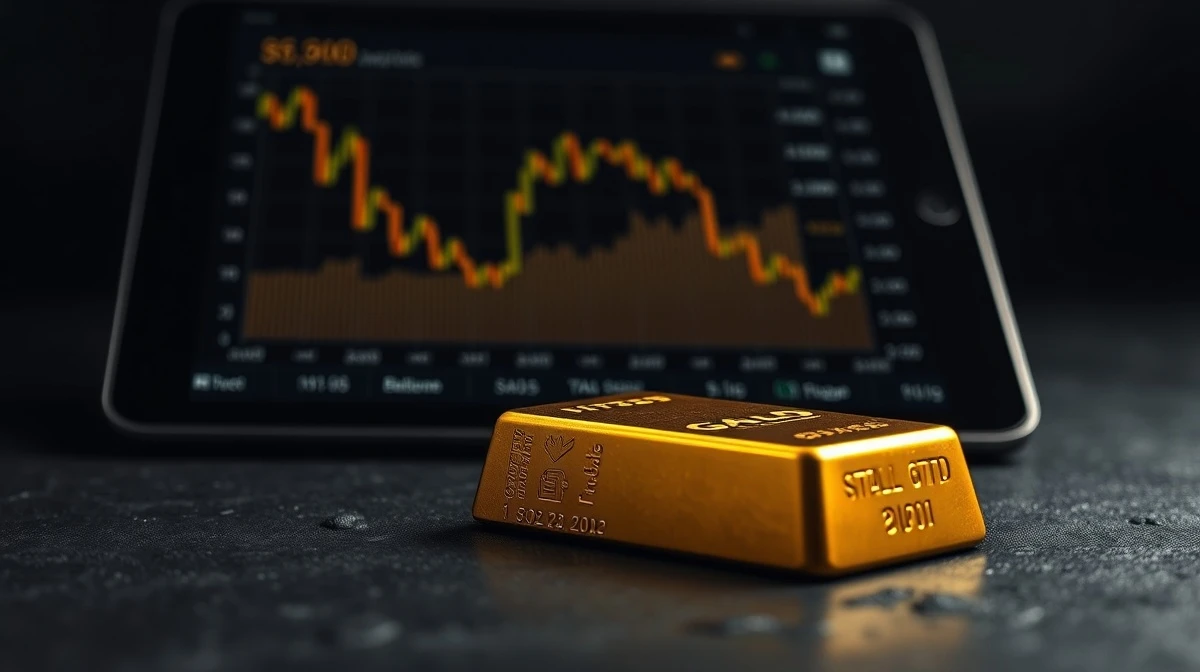
April 16, 2026 — The price of gold fell sharply, approaching $4,800 per ounce. This drop came as a surge in oil prices renewed fears about persistent inflation, leading investors to reassess the likelihood of near-term interest rate cuts from the U.S. Federal Reserve.
A Sharp Reversal for Precious Metals
Spot gold traded near $4,815 an ounce in early trading, a significant retreat from recent highs. Data from trading platforms showed the metal was on track for one of its worst single-day performances in months. Silver and platinum also moved lower. This marks a sudden shift in sentiment for assets traditionally seen as hedges against inflation.
Also read: Japanese Yen Surges Without Official Intervention as Markets Reprice Rate Bets
Market data indicates the sell-off accelerated following the release of stronger-than-expected U.S. economic data last week. The numbers suggested consumer spending and manufacturing activity remain resilient. That strength complicates the Federal Reserve’s path toward lowering borrowing costs.
The Oil Price Catalyst
The immediate trigger for the latest market anxiety is oil. Brent crude futures have climbed over 15% this month alone, breaching key technical levels. Supply disruptions in key producing regions and stronger global demand forecasts are pushing prices higher.
Also read: Silver slides toward two-month low as hawkish Fed bets strengthen dollar
Rising energy costs directly feed into broader consumer price indices. Industry analysts note that sustained high oil prices can filter through to transportation, manufacturing, and retail costs. This creates a headwind for central banks aiming to bring inflation down to their 2% targets.
“The oil move changes the calculus,” said one portfolio manager, who declined to be named. “It reminds everyone that inflation isn’t a solved problem. That’s bad for rate-cut bets and, in the short term, bad for gold.”
Interest Rate Expectations Dim
Gold, which pays no interest, becomes less attractive when rates are high or expected to stay elevated. The logic is simple. Investors can earn a yield on government bonds or cash deposits instead. According to the CME FedWatch Tool, the probability of a Federal Reserve rate cut at its June meeting has fallen below 30%. Just a month ago, traders were pricing in a greater than 60% chance.
This repricing in interest rate futures is the core driver behind gold’s weakness. Higher-for-longer rates boost the U.S. dollar, which also pressures dollar-denominated commodities like gold. The U.S. Dollar Index has gained for four consecutive sessions.
What This Means for Investors
The recent price action suggests a tactical shift. For months, gold benefited from expectations of a central bank policy pivot. That narrative is now under pressure. Some traders are taking profits on long gold positions, while others are increasing short bets.
This does not necessarily mean the long-term bull case for gold is broken. Geopolitical tensions and central bank buying from countries like China remain supportive factors. But the immediate focus has returned to macroeconomic data and Fed policy.
Investors will scrutinize the next U.S. Consumer Price Index (CPI) report, due next week. Another hot reading could push gold prices lower. A cooler report might offer some relief. For now, the market is reacting to the clear signal from oil: inflation risks haven’t vanished.
External context on oil market dynamics can be found in reports from the International Energy Agency. Official U.S. inflation data is published by the Bureau of Labor Statistics.