April 20, 2026 — Iran’s armed forces have issued a stark warning of an imminent and forceful response following the seizure of a vessel by the United States Navy. The incident, which occurred in recent days, has sharply escalated tensions in a region critical to global energy supplies.
Military Statement Warns of Consequences
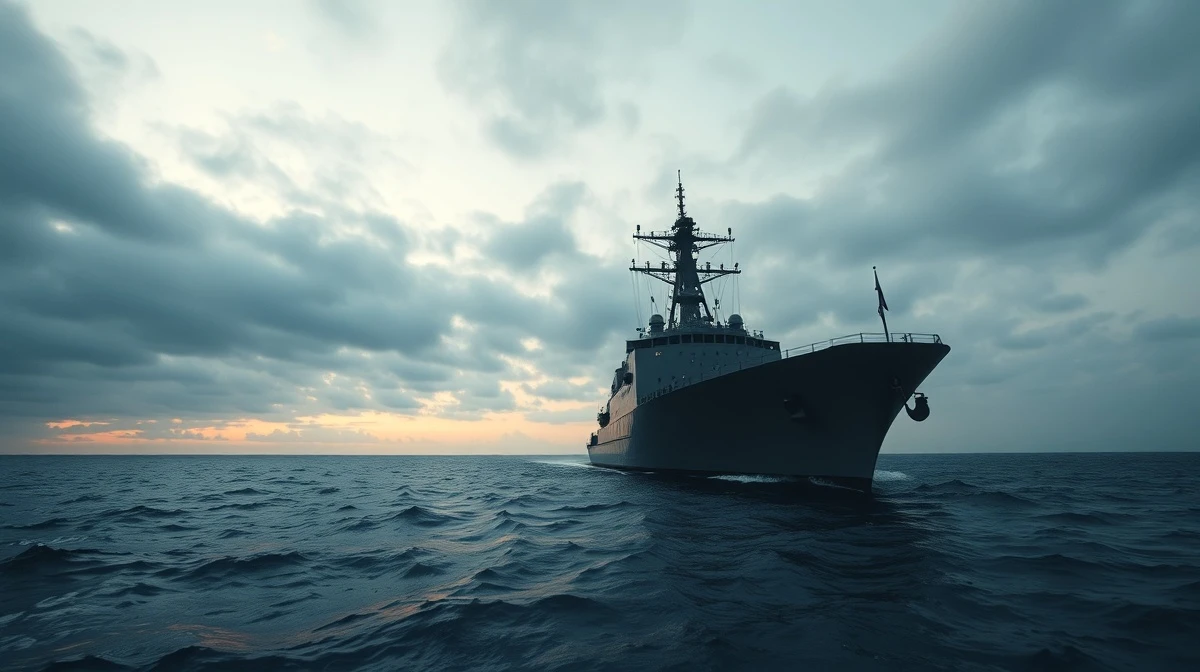
A statement from Iran’s military command, carried by state media, declared the U.S. action a “provocative act of piracy.” It asserted Iran’s right to defend its interests and promised a response that would be “decisive and regrettable” for the United States. The statement did not specify the timing or nature of the planned retaliation.
Also read: New Zealand Dollar Slips as Hawkish Fed Remarks Bolster Greenback
U.S. Central Command confirmed the maritime operation. Officials stated the seizure was related to the enforcement of international sanctions. The targeted vessel was suspected of transporting illicit cargo. Details on the ship’s flag, ownership, and specific location of the seizure were not immediately disclosed by U.S. authorities.
This suggests a deliberate operational move by Washington. The lack of immediate public detail from the U.S. side is a common tactic in sensitive interdiction operations.
Also read: Carry Trade Unwinds Put Pressure on MENA Currencies, BNY Warns
Flashpoint in the Strait of Hormuz
The confrontation centers on the Strait of Hormuz, a narrow chokepoint between the Persian Gulf and the Gulf of Oman. Roughly a fifth of the world’s oil passes through this waterway. It has been the site of repeated confrontations between Iranian and Western naval forces over the past decade.
Analysts note that such seizures are a high-stakes tool. They are used to enforce sanctions but carry a significant risk of miscalculation. “Any military action in these confined waters is inherently dangerous,” said a security analyst specializing in the Gulf region, who spoke on condition of anonymity. “A minor incident can spiral quickly when forces are on high alert.”
Data from maritime tracking services showed a slight increase in vessel insurance premiums for the area following the news. Shipping companies often view such warnings as a direct threat to safe passage.
Recent Context of Regional Tensions
The warning comes amid a prolonged period of strained relations. Diplomatic efforts to revive the 2015 nuclear deal have remained stalled for years. In the interim, Iran has advanced its uranium enrichment program, according to reports from the International Atomic Energy Agency.
U.S. naval forces have intercepted numerous vessels in the region accused of violating oil sanctions on Iran. Tehran has frequently condemned these actions. It has also conducted its own seizures of commercial tankers, citing alleged violations.
This pattern of tit-for-tat maritime operations has kept the region on edge. The latest Iranian warning, however, employs notably stronger language than in some previous incidents.
What Happens Next?
The immediate focus is on how Iran will act. Options range from a symbolic show of force, like a military exercise, to a more direct challenge such as attempting to intercept a commercial vessel. The latter would force a direct U.S. response.
Regional allies are watching closely. Saudi Arabia and the United Arab Emirates, which have fraught relations with Iran, maintain close security partnerships with Washington. Any escalation could draw in other actors.
For global markets, the primary concern is the uninterrupted flow of oil. A serious disruption in the Strait of Hormuz would have immediate consequences for energy prices worldwide. The implication is that while the warning is serious, both sides have historically stopped short of actions that would trigger a full-scale conflict.
Officials from other nations are likely urging restraint behind the scenes. The next 48 to 72 hours will be critical in determining whether this incident de-escalates or becomes a more significant crisis.
For further context on maritime security in the region, see this report from the International Institute for Strategic Studies. Official U.S. military statements are archived by U.S. Department of Defense.