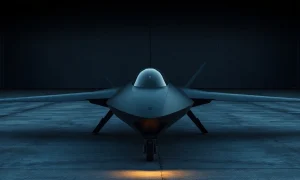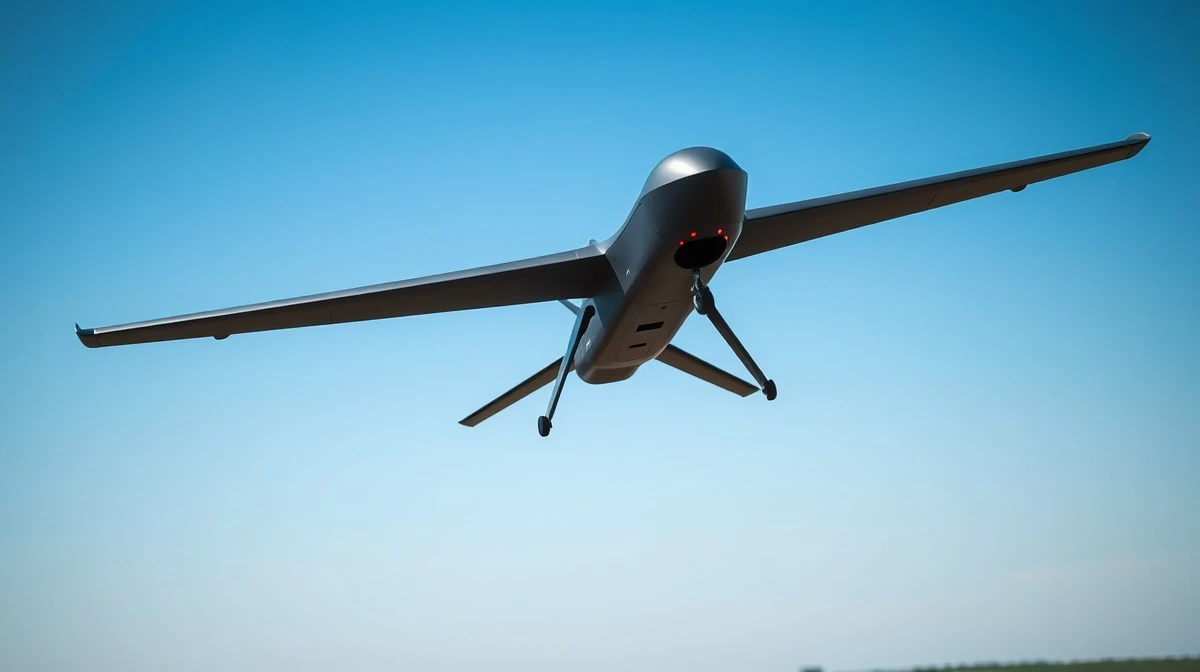
European defense technology startup Helsing is reportedly close to closing a $1.2 billion funding round at an $18 billion valuation, according to sources cited by the Financial Times. The round is expected to be led by Dragoneer, with co-lead participation from existing investor Lightspeed Venture Partners. Helsing, founded five years ago, develops autonomous drone systems and artificial intelligence for military applications.
From €12 billion to $18 billion in under a year
This new round marks a significant valuation increase from the company’s previous raise in June 2025, when Spotify founder Daniel Ek led a €600 million investment that valued Helsing at approximately €12 billion (roughly $14 billion at the time). Ek’s backing signaled strong confidence in Helsing’s technology and market position, particularly as European governments accelerate defense spending in response to geopolitical tensions.
Also read: Fujifilm Instax Wide 400 review: Bigger prints, simple fun, and a few trade-offs
The company has not publicly commented on the latest fundraising, and representatives for Dragoneer and Lightspeed did not immediately respond to requests for comment.
Why defense tech is drawing big money
Helsing operates in a rapidly expanding sector: autonomous defense systems. The war in Ukraine has become a real-world testing ground for drones, AI-powered targeting, and electronic warfare. Startups that can deliver battlefield-ready technology are attracting attention from both venture capitalists and NATO-aligned governments.
Also read: Tata Electronics, supplier to Apple and Tesla, confirms data breach exposing 630GB of files
Helsing is not the only European defense tech company seeing growth, but it is by far the most valuable. For comparison:
- German drone maker Quantum Systems raised €180 million in November 2025, valuing it at over €3 billion.
- Lisbon-based Tekever raised £400 million in early 2025 at a valuation above £1 billion.
Helsing’s valuation dwarfs these peers, reflecting its broader platform approach and its work integrating AI into existing military hardware.
What this means for the defense startup arena
The size of Helsing’s raise — and the speed at which its valuation has climbed — suggests that institutional investors see defense technology as a durable growth category, not a temporary geopolitical trade. Dragoneer, a growth-stage investor known for backing companies like Spotify and Airbnb, entering at this stage reinforces that view.
For European tech, Helsing’s trajectory also signals a shift: venture capital is increasingly willing to back hard-tech, capital-intensive startups in regulated industries, a space traditionally dominated by US and Chinese companies.
Conclusion
Helsing’s reported $1.2 billion raise at an $18 billion valuation would make it one of the most valuable private defense tech companies in the world. The deal underscores the growing convergence of venture capital, artificial intelligence, and European defense priorities. As autonomous systems prove their value in active conflict, Helsing is positioned at the center of a strategic and financial shift.
FAQs
Q1: What does Helsing actually build?
Helsing develops AI-powered software and autonomous drone systems for military use, including real-time targeting, electronic warfare, and battlefield intelligence. Its technology is designed to integrate with existing defense platforms.
Q2: Who is Daniel Ek and why is he involved?
Daniel Ek is the co-founder and CEO of Spotify. He led Helsing’s previous funding round in June 2025, investing €600 million through his personal holding company. His involvement signals confidence in European defense tech as a high-growth sector.
Q3: Why is Helsing valued so much higher than other European drone startups?
Helsing’s valuation reflects its software-centric approach, its work with multiple NATO militaries, and its ability to scale beyond hardware. Unlike pure drone manufacturers, Helsing sells AI systems that can be applied across different platforms, which investors view as a higher-margin, more defensible business model.