
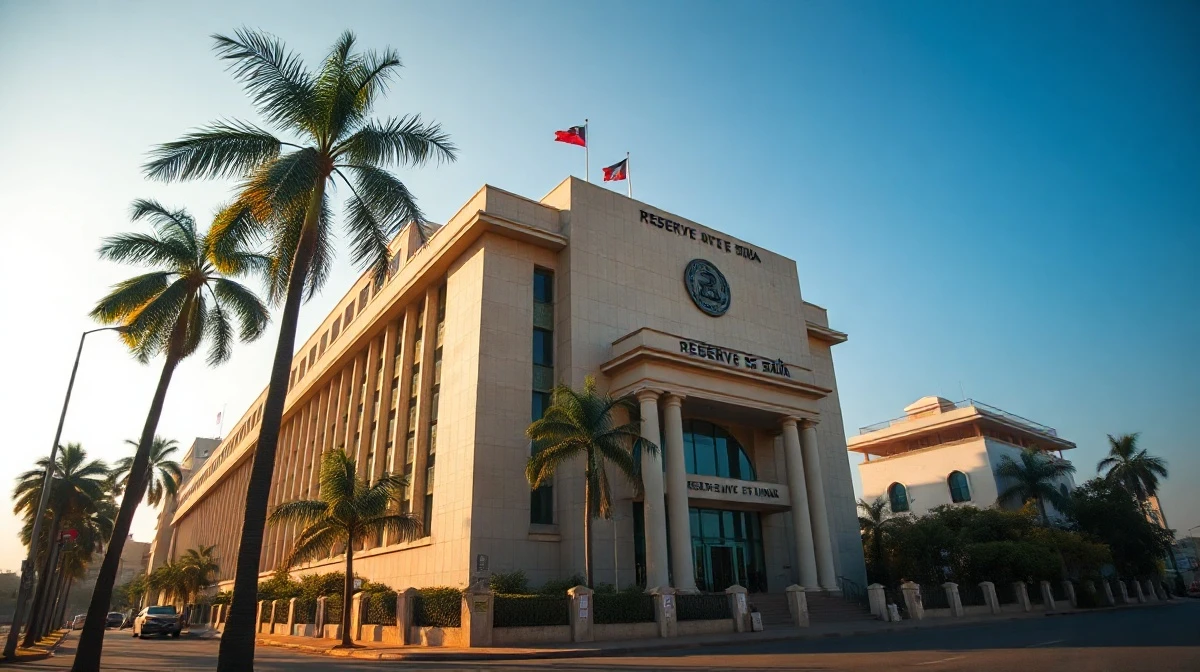
The Reserve Bank of India’s (RBI) persistently hawkish monetary stance is raising the risk of a sharper growth slowdown in the fiscal year ending March 2027 (FY27), according to a new analysis from DBS Group Research. The report, released on March 18, 2026, warns that the central bank’s focus on containing inflation may be coming at the expense of economic momentum, particularly as global demand weakens.
DBS Flags Tightening Bias as Growth Headwinds Mount
DBS economists note that the RBI has kept its key repo rate at 6.50% since February 2023, even as inflation has moderated from its 2022 peaks. The bank argues that this extended pause, combined with a tight liquidity stance, is compressing domestic demand. The report specifically highlights risks to private consumption and investment, which together account for over 70% of India’s GDP.
Also read: Grandparents emerge as key deposit source for UK first-time buyers, study finds
The analysis points to slowing urban consumption, a tepid recovery in rural spending, and weakening export orders as early warning signs. DBS projects India’s GDP growth could slip to 6.2% in FY27, below the RBI’s own estimate of 6.7%.
Inflation vs. Growth: The Core Tension
The RBI’s mandate requires it to keep consumer price index (CPI) inflation within the 2%-6% target band, with a medium-term aim of 4%. While headline inflation has fallen to around 4.5%, core inflation remains sticky above 5%. DBS argues that the RBI’s cautious approach is warranted given food price volatility and potential supply shocks, but it cautions that an overly restrictive policy could tip the economy into a below-potential growth trajectory.
Also read: Indonesia's Policy Focus on Stability as BI Mandate Widens: DBS
The report states: “The RBI’s hawkish posture, while understandable from an inflation management perspective, introduces downside risks to growth that may become more pronounced as the global cycle turns.”
Market and Rupee Implications
DBS also examines the impact on the Indian rupee. The currency has remained relatively stable against the U.S. dollar, trading near 83.50, supported by the RBI’s intervention and a strong capital account. However, the bank warns that if growth falters and foreign portfolio outflows accelerate, the rupee could come under pressure, forcing the RBI to choose between defending the currency and easing monetary conditions.
The analysis adds that the RBI’s tight liquidity management has pushed short-term interbank rates above the repo rate, effectively tightening financial conditions beyond the policy rate signal. This, DBS says, is an additional headwind for corporate borrowing and economic activity.
Outlook and Investor Considerations
For investors, the DBS report suggests that the RBI’s current stance may present a mixed picture. Bond markets have already priced in a prolonged pause, with the 10-year government bond yield hovering around 7.1%. Equities, meanwhile, remain near record highs, driven by strong domestic flows and corporate earnings resilience. But DBS cautions that a growth miss could trigger a reassessment of valuations, particularly in interest-rate-sensitive sectors such as banking, real estate, and auto.
The report concludes that the key risk for FY27 is not inflation but a policy error — where the RBI keeps rates too high for too long, stifling the recovery. The central bank’s next monetary policy review is scheduled for early April 2026, and markets will closely watch for any shift in language or stance.

