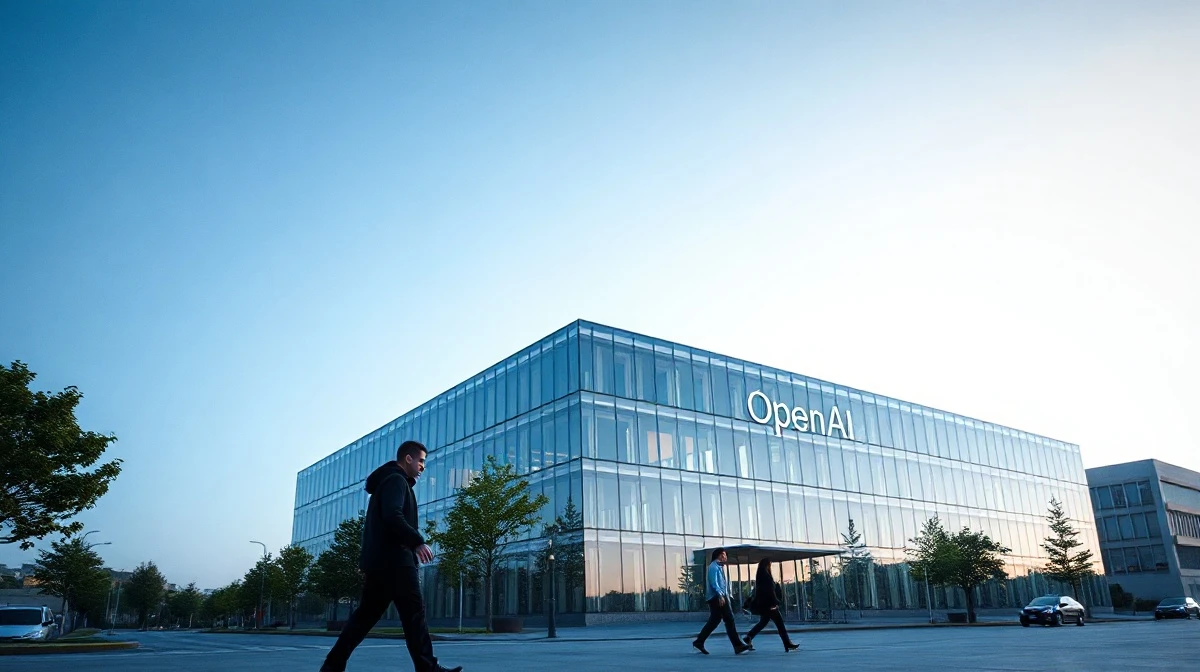
OpenAI has reportedly completed a $7 billion employee tender offer, buying back shares from its workforce at a valuation of $852 billion. The deal, first reported by Bloomberg, provides a significant liquidity event for employees of the privately held frontier AI lab, matching the company’s valuation from its March funding round.
The move comes at a central time for the company, which filed confidentially with the Securities and Exchange Commission in June to prepare for a potential IPO. However, the execution of a tender offer suggests that OpenAI’s public market debut may not be imminent, as the company appears to be prioritizing internal financial health and employee compensation over the pressures of a public listing.
Also read: Anthropic's AI agents started a turf war when given the same task—and invented truces to end it
A private liquidity solution for a growing workforce
OpenAI’s decision to conduct a large-scale tender offer is part of a broader trend among mature tech companies that are choosing to stay private for longer. For employees holding significant stock-based compensation, a tender offer provides a essential opportunity to realize the value of their shares without waiting for a traditional IPO exit.
This mechanism allows companies to reward and retain talent while maintaining the operational flexibility and reduced regulatory scrutiny of a private entity. The scale of this particular buyout—$7 billion—underscores both the immense value generated by OpenAI’s rapid growth and the financial expectations of its staff.
Also read: Spotify to label AI Personas and remove their music from recommendations
OpenAI did not respond to a request for comment by publication time.
Financial recalibration ahead of a public debut
The tender offer arrives amid signals that OpenAI is working to strengthen its financial footing. In April, the Wall Street Journal reported that the company had missed some internal financial goals. More recently, CEO Sam Altman acknowledged a challenging period, writing last month that “we did not have our best 12 months ever, which is mostly my fault, but we are about to have our best 12 months to date.”
Companies preparing for an IPO typically aim to present strong financial results to attract public investors. The decision to return capital to employees rather than pushing forward with an offering suggests a strategic pause. The company is reportedly paring down its bets and focusing on its enterprise business to gain traction, a strategy that could yield stronger financial metrics in the coming quarters.
Competitive pressure from Anthropic
The timing of OpenAI’s potential IPO is also influenced by its competitive field. Rival AI firm Anthropic was reportedly profitable earlier this year, adding pressure on OpenAI to demonstrate a clear path to sustainable profitability. A successful public offering requires not just growth, but convincing financial performance, and the presence of a profitable competitor raises the stakes for OpenAI’s market narrative.
While OpenAI’s product adoption and brand recognition are likely to generate massive interest from public market investors, the company appears intent on ensuring it puts its best face forward. The tender offer could be another signal that the much-anticipated offering will wait until the company’s new strategic direction shows tangible results.
For now, employees have received a substantial payout, and the company buys itself more time to align its operations with the expectations of the public markets. The industry will be watching closely for any updates on OpenAI’s financial performance and its eventual filing with the SEC.
Disclaimer: This article is for informational purposes only and does not constitute financial advice. The information presented here is based on reports and public filings, and market conditions are subject to change. Any discussion of a potential IPO or company valuation is speculative in nature, and the cryptocurrency and technology markets are volatile and uncertain.