April 24, 2026 — U.S. President Donald Trump said Thursday that Israel and Lebanon have agreed to extend their ceasefire, marking a diplomatic step forward after months of cross-border tensions.
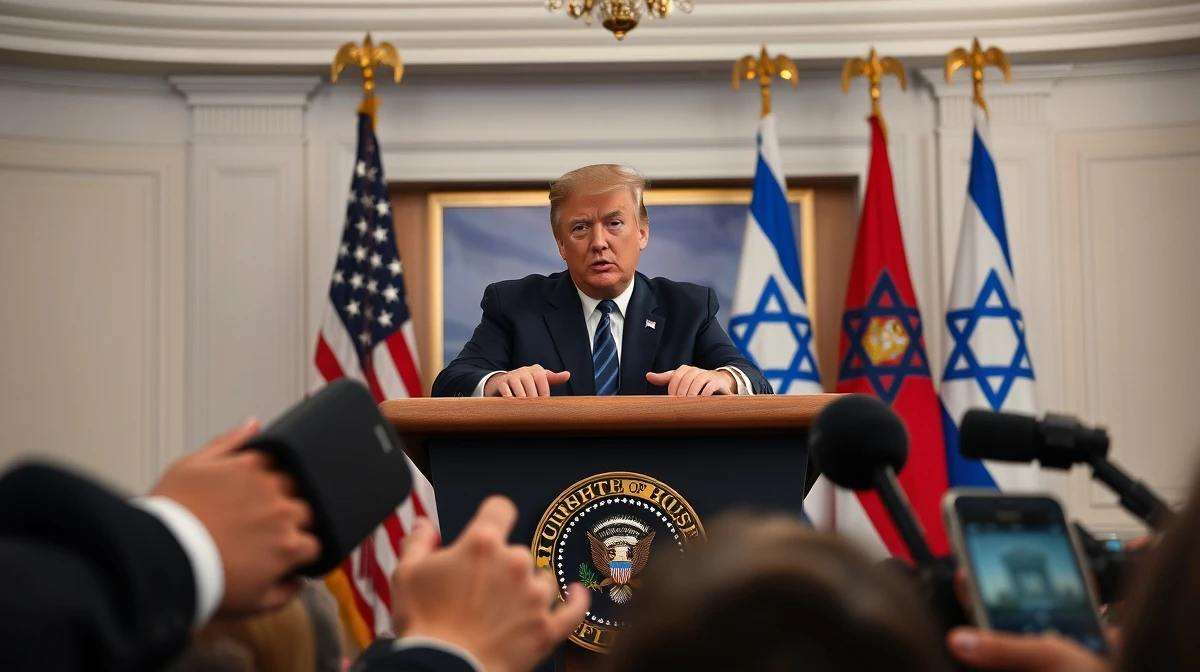
Trump made the announcement during a brief statement at the White House. He did not specify the exact duration of the extension but called it a “positive development” for the region.
Also read: Japanese Yen Surges Without Official Intervention as Markets Reprice Rate Bets
“Both sides have agreed to keep the peace,” Trump said. “This is good for the people of Israel and Lebanon.”
Background of the Ceasefire
The original ceasefire was brokered by the United States and France in late 2024. It ended a period of intensified fighting between Israeli forces and Hezbollah militants along the northern border.
Also read: Silver slides toward two-month low as hawkish Fed bets strengthen dollar
Under the terms of the initial agreement, both sides were to withdraw heavy weapons from the border area. United Nations peacekeepers were tasked with monitoring compliance. The extension suggests that the monitoring mechanism has been deemed effective enough to continue.
Data from the U.N. Interim Force in Lebanon shows a 70% reduction in border incidents since the ceasefire took effect. This has allowed thousands of displaced civilians on both sides to return to their homes.
Diplomatic Context
The announcement comes amid broader U.S. efforts to stabilize the Middle East. The Trump administration has been pushing for normalization agreements between Israel and several Arab states.
Lebanon is not part of the Abraham Accords, but this ceasefire extension could create conditions for future diplomatic engagement. Analysts note that Lebanon’s fragile economy, hit hard by a banking crisis and political paralysis, makes stability a priority for its government.
Industry watchers point out that Hezbollah, which holds significant political power in Lebanon, has not publicly commented on the extension. The group’s silence may indicate internal debates about the terms.
What This Means for the Region
The ceasefire extension reduces the immediate risk of a wider conflict. Israel has been conducting airstrikes against Iranian-linked targets in Syria, and any escalation on the Lebanese front would complicate those operations.
For Lebanon, the extension buys time for economic reforms. The International Monetary Fund has tied financial aid to progress on anti-corruption measures and restructuring the banking sector. A stable security environment is a prerequisite for foreign investment.
According to a report from the Carnegie Middle East Center, the ceasefire has already led to a 15% increase in trade volumes between Lebanon and neighboring countries. Further extensions could solidify these gains.
The implication is that both Israel and Lebanon see strategic value in maintaining the current arrangement. Neither side appears ready for a new round of hostilities.
Trump did not take questions after the announcement. The White House said a formal text of the agreement would be released in the coming days.