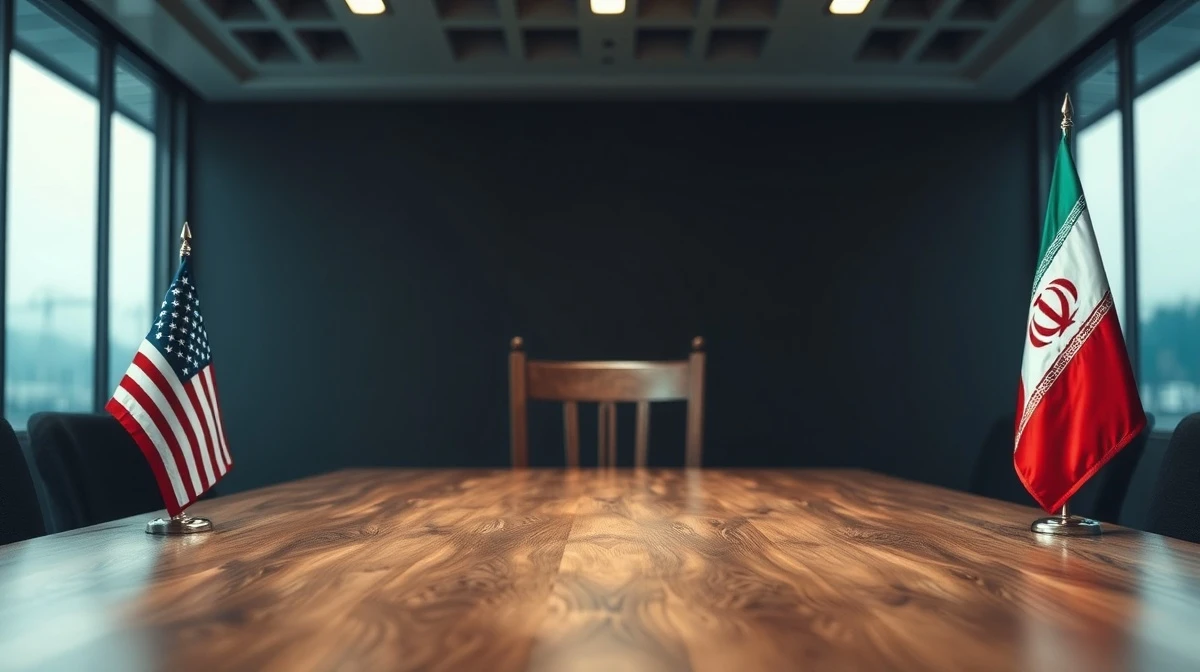
President Donald Trump has described the fragile ceasefire between the United States and Iran as being on “massive life support,” signaling that diplomatic efforts to de-escalate tensions in the Middle East are nearing a critical juncture. The remark, made during a press briefing, underscores the deepening impasse in negotiations that were once seen as a potential breakthrough in decades of hostility between the two nations.
Context of the Ceasefire
The ceasefire, brokered through indirect channels earlier this year, was intended to halt a series of escalating military confrontations in the Persian Gulf and parts of Iraq. While it initially reduced tit-for-tat attacks, underlying disagreements over Iran’s nuclear program, sanctions relief, and regional proxy forces have prevented a more permanent agreement. Trump’s characterization of the truce as being on “life support” reflects a growing recognition that the current arrangement is unsustainable without substantial concessions from both sides.
Also read: Pound Sterling buckles in a leadership vacuum
Geopolitical Stakes and Regional Impact
The collapse of the ceasefire would have immediate and far-reaching consequences. Oil markets, already sensitive to supply disruptions in the Strait of Hormuz, could see price spikes. Iran-backed militias in Iraq, Syria, and Yemen may resume operations against U.S. and allied forces, drawing Washington into a broader regional conflict. European allies, who have pressed for continued diplomacy, face the prospect of renewed instability on their southern flank. The situation also complicates ongoing negotiations over Iran’s nuclear program, which remain stalled despite efforts by the International Atomic Energy Agency to maintain oversight.
What This Means for Investors and Markets
For global investors, the fragility of the US-Iran ceasefire introduces a layer of geopolitical risk that could affect energy prices, defense stocks, and safe-haven assets like gold. Traders are closely monitoring any signs of military escalation, as a breakdown in the truce would likely lead to increased volatility in crude oil futures and a flight to quality in currency markets. The uncertainty also weighs on broader emerging-market assets, given Iran’s role in regional supply chains and its influence on oil transit routes.
Also read: Banxico Holds Key Rate at 6.50% as Expected, Citing Inflation Risks
Conclusion
The US-Iran ceasefire, once a rare bright spot in a volatile region, is now teetering. Trump’s stark assessment suggests that without a renewed diplomatic push—or a significant shift in Iran’s strategic posture—the truce may not survive the coming weeks. The coming days will be critical in determining whether the two countries can salvage the agreement or whether the Middle East will once again slide toward confrontation.
FAQs
Q1: What did President Trump say about the US-Iran ceasefire?
Trump stated that the ceasefire is on “massive life support,” indicating that it is close to collapsing due to a lack of progress in negotiations.
Q2: Why is the ceasefire considered fragile?
The truce was never formalized into a binding agreement and relies on informal understandings that have been eroded by ongoing disputes over Iran’s nuclear activities, sanctions, and regional military actions.
Q3: What could happen if the ceasefire collapses?
A collapse could lead to renewed military clashes in the Persian Gulf, higher oil prices, increased instability in Iraq and Syria, and a setback for broader nuclear diplomacy with Iran.