West Texas Intermediate crude oil prices edged lower in early trading on Wednesday, as renewed diplomatic signals between the United States and Iran fueled speculation of a potential nuclear deal that could ease sanctions and bring additional Iranian barrels back to global markets. The decline also reflected a calmer outlook for the Strait of Hormuz, a critical chokepoint for global oil shipments, following recent diplomatic engagements in the region.
US-Iran Talks Resurface, Shifting Supply Calculus
Reports emerged over the past 48 hours indicating that informal back-channel discussions between Washington and Tehran have intensified, with both sides exploring a framework for renewed negotiations. While no formal agreement has been announced, market participants are pricing in a higher probability of sanctions relief that could allow Iran to increase its crude exports by an estimated 500,000 to 1 million barrels per day within months.
Also read: Swiss Franc Dips Against Dollar, Rises Versus Euro in Mixed Forex Session
Iran currently produces around 3.2 million barrels per day, but exports have been constrained by US sanctions. Any credible path toward a deal would directly increase global supply at a time when OPEC+ is already preparing to unwind voluntary production cuts. The prospect of additional barrels has weighed on WTI futures, which slipped by approximately 1.2% to trade near $78.50 per barrel.
Hormuz Strait Tensions Ease
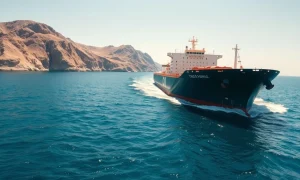
Separately, the security outlook for the Strait of Hormuz has improved after recent talks between regional stakeholders. The strait, through which roughly 20% of the world’s oil passes, had been a source of heightened risk premiums in oil prices earlier this year. A more stable passage outlook reduces the likelihood of supply disruptions, further contributing to the bearish sentiment in crude markets.
Also read: Pound Sterling faces a heavy week as Westminster empties out
Analysts note that while geopolitical risk premiums have not fully dissipated, the combination of diplomatic progress and stable transit conditions is prompting traders to reassess near-term price floors.
Market Implications and Trader Sentiment
The decline in WTI reflects a broader recalibration of supply expectations. The International Energy Agency has projected a potential surplus in the second half of 2025 if OPEC+ continues to increase output and Iranian barrels re-enter the market. Traders are also monitoring US inventory data due later this week for further confirmation of demand trends.
For consumers, lower crude prices could translate into modest relief at the pump in the coming weeks, though refining margins and regional factors will influence final retail prices. For producers, the evolving supply picture suggests a need to hedge against further downside risk.
Conclusion
WTI crude oil prices are under pressure as the market weighs the dual impact of potential US-Iran deal progress and a more stable Hormuz Strait outlook. While no final agreements are in place, the direction of diplomatic signals is reshaping supply expectations. Traders and industry participants should watch for further developments in negotiations and upcoming inventory data for clearer directional cues.
FAQs
Q1: Why are WTI crude oil prices falling?
WTI prices are declining due to renewed hopes for a US-Iran nuclear deal that could lift sanctions and increase global oil supply, combined with a calmer security outlook for the Strait of Hormuz, which reduces the risk of supply disruptions.
Q2: How much oil could Iran add to global markets if sanctions are lifted?
If sanctions are eased, Iran could potentially increase its crude exports by 500,000 to 1 million barrels per day within several months, adding significant supply to an already well-supplied market.
Q3: What is the significance of the Strait of Hormuz for oil prices?
The Strait of Hormuz is a critical maritime chokepoint through which about 20% of global oil passes. Any disruption or heightened tension there can spike oil prices due to supply risk premiums. A stable outlook reduces those premiums and weighs on prices.