
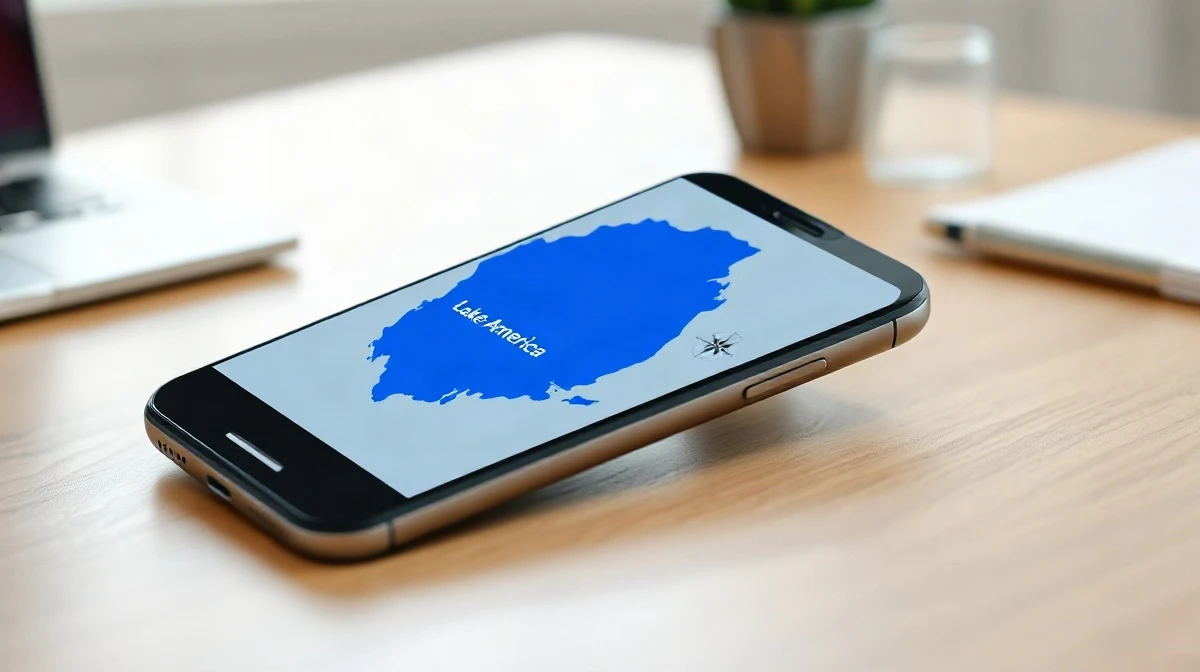
Apple has followed Google’s lead and officially renamed Lake Ontario to “Lake America” on its Apple Maps service, less than a week after President Trump signed an executive order mandating the change. The update, which took effect on September 1, 2026, applies only to users in the United States, while Canadian users will continue to see Lake Ontario and international users will see both names.
Apple’s decision comes after Google Maps made the same change on August 28, citing its policy to reflect official government sources such as the Geographic Names Information System (GNIS). Apple did not respond to a request for comment, but the company’s move aligns with its previous compliance with the administration’s renaming of the Gulf of Mexico to Gulf of America in 2025.
Also read: X says attackers are targeting user accounts after the launch of X Money
Executive Order and Government Directive
President Trump signed the executive order on August 27, giving the Interior Department 30 days to update the lake’s name in federal databases. The order stated, “In recognition of this flourishing economic resource and its critical importance to our Nation’s economy and its people, I am directing that the Lake officially be renamed as Lake America.”
The renaming has escalated tensions with Canada, coming after trade talks between the two countries broke down. The Great Lakes, including Lake Ontario, are a shared resource, and the unilateral name change has drawn criticism from Canadian officials and some U.S. residents.
Also read: This startup is fuel-injecting hydrogen to make cargo ships more efficient
MapQuest’s Resistance and User Backlash
While Apple and Google have complied, MapQuest has taken a different stance. The navigation service, owned by System1, announced it would not change the name of Lake Ontario, nor did it adopt “Gulf of America” last year. This refusal has resonated with users, driving a surge in downloads of the MapQuest app, which reached the No. 1 spot in the U.S. App Store’s Top charts on September 1, surpassing ChatGPT. It also climbed to No. 6 in Google’s Play Store.
MapQuest has leaned into the momentum, posting on X a GIF of an apple with the caption “Them Too” and a screenshot of its No. 1 ranking with the message “The people have spoken. We are working.” The company’s stance highlights a growing divide among map providers over how to handle politically motivated geographic changes.
What This Means for Users and the Industry
For U.S. users of Apple Maps and Google Maps, the change is immediate, but its impact goes beyond a label. The renaming reflects how tech companies manage political pressure and government directives, often prioritizing compliance over local or historical naming conventions. MapQuest’s resistance demonstrates that there is a market for alternatives that prioritize user familiarity and international consistency.
The situation also underscores the broader geopolitical implications. The Great Lakes are a vital economic and ecological resource shared by the U.S. and Canada, and unilateral renaming could affect cross-border cooperation. As the November midterm elections approach, the name change may become a political talking point, but for now, the tech industry’s response will likely continue to shape the narrative.
For users who prefer the traditional name, MapQuest offers an alternative, but the company’s long-term ability to sustain its newfound popularity remains uncertain. Meanwhile, Apple and Google have set a precedent that could influence how they handle future geographic naming disputes, particularly as governments increasingly use such directives to assert national identity.
Disclaimer: This article is for informational purposes only and does not constitute financial or investment advice. The tech and navigation markets are subject to volatility and rapid change.

