Brave, the privacy-focused browser that has long positioned itself as a Chrome alternative, added a new reason to switch this week: built-in email aliases. The feature, announced on August 26, 2026, lets users sign up for websites and online services without exposing their personal email addresses — a move that directly targets the tracking and data-broker economy that relies on email as a universal identifier.
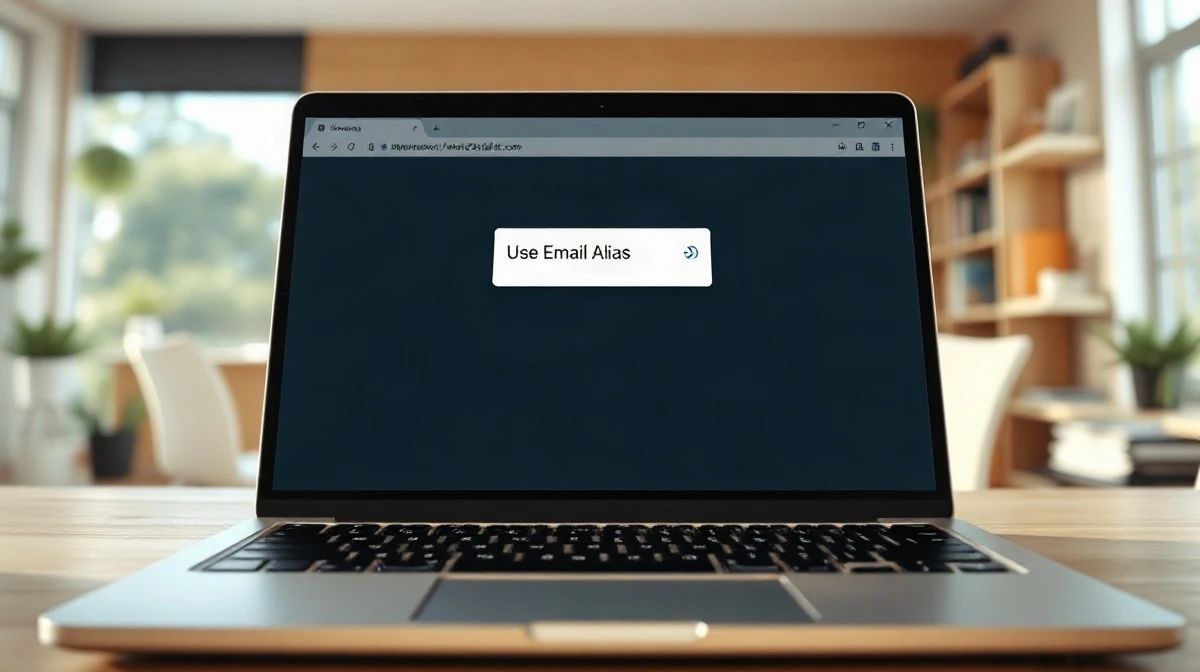
To use the feature, you first need a free Brave account, which requires providing your real email address. Once logged into the browser, clicking on any email field on a website triggers a pop-up offering the option to generate and use an alias instead. If the pop-up doesn’t appear, right-clicking the field also exposes the option. The alias is filled into the form, and any messages sent to that address are automatically forwarded to your primary inbox.
Also read: Theragun Sense (2nd Gen) review: Guided recovery for everyday aches
Why email aliases matter for privacy
Brave’s rationale for the feature is straightforward: email addresses have become a persistent cross-site identifier. Retailers, ad platforms, and data brokers frequently match the email you provide on one site against the address they have on file for you elsewhere, allowing them to build a detailed profile of your browsing and purchasing habits. Meta, for instance, has long used email matching to connect activity across websites and apps.
There’s also a security angle. If a website you’ve registered with suffers a data breach, your primary email address can be exposed and then sold to spammers and scammers. Using a unique alias for each site means a breach at one service doesn’t compromise the address you use for banking, work, or personal correspondence.
Also read: At TechBBQ, Europe’s AI conversation keeps circling back to one question: Who’s in control?
Brave says it built the feature to plug this privacy hole. The company states it does not read the contents of emails sent to an alias — it only processes them for spam and virus filtering. After forwarding, Brave deletes the email from its servers. Data stored in users’ Brave accounts is encrypted at rest, and any notes saved alongside an alias are stored locally on the device unless the user enables sync, in which case the notes are end-to-end encrypted.
What to expect as the feature matures
Because the email alias system is new, Brave cautioned that some forwarded messages may initially land in spam folders. That should improve over time as the company builds up its reputation score as a mail provider, a standard hurdle for any new email-sending domain.
For now, Brave users get five free email aliases. Additional aliases will be available to Premium plan subscribers in the future, though the company hasn’t specified a timeline or pricing.
The move puts Brave in direct competition with dedicated email alias services like SimpleLogin and Firefox Relay, as well as Apple’s Hide My Email, which is baked into iCloud+. By integrating the feature directly into the browser, Brave removes the need for a separate extension or service — a convenience that could appeal to users who want privacy without extra setup steps.
It’s also a notable differentiator in the browser wars. Chrome, Safari, and Firefox all offer various privacy features, but native email alias generation is still relatively rare. Brave’s approach — tying the feature to a free account rather than a paid subscription — lowers the barrier to entry for privacy-conscious users who may have been hesitant to switch browsers.
As with any new privacy tool, the real test will be how seamlessly it works in practice. If the forwarding is reliable and spam filtering holds up, email aliases could become one of the more compelling reasons to make the jump from Chrome. If not, it’ll be a reminder that even the best-intentioned privacy features live or die on execution.
This article is for informational purposes only and does not constitute financial or investment advice. The cryptocurrency and technology markets are volatile and uncertain; readers should conduct their own research before making any decisions.