Arabica coffee futures fell sharply on Thursday, hitting a two-week low, as growing expectations of a record-large Brazilian coffee harvest weighed on prices. July arabica coffee (KCN26) settled down 10.60 cents, or 3.73%, while July robusta coffee (RMN26) bucked the trend, closing up 19 points, or 0.56%.
Brazil’s Record Crop Expectations Pressure Arabica
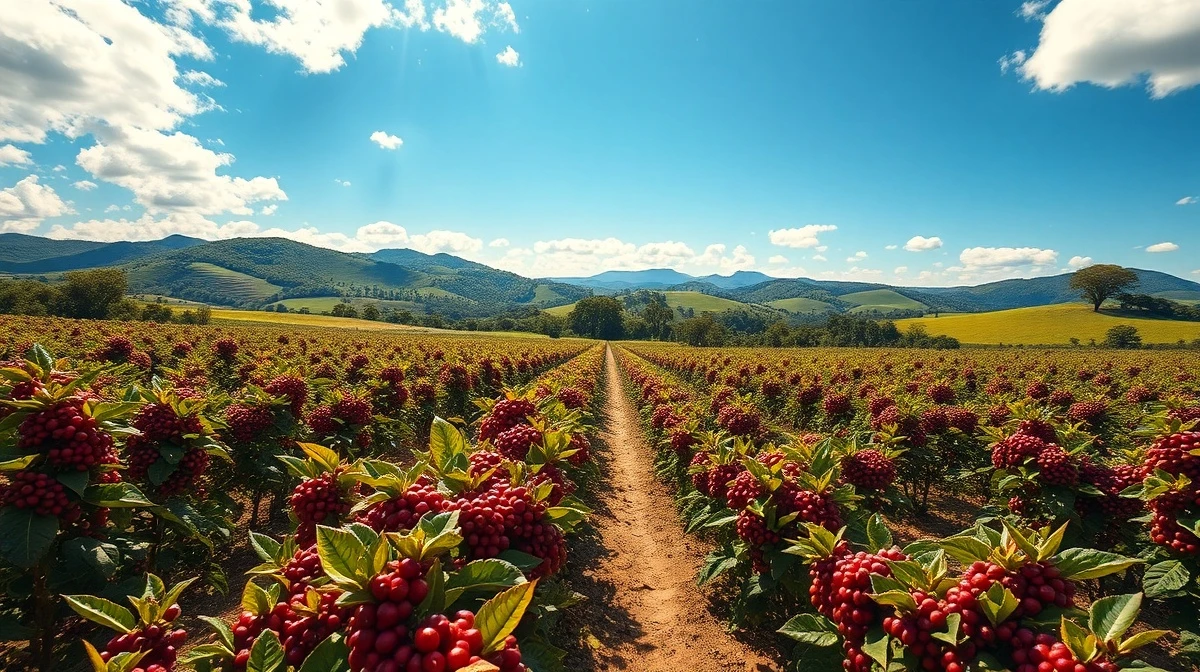
The primary driver behind arabica’s decline is the mounting consensus that Brazil, the world’s largest coffee producer, is set to deliver a massive 2026/27 crop. Several major agricultural forecasters have raised their estimates in recent weeks. The Coffee Trading Academy projects a 12% year-over-year increase to 71.4 million bags. Marex Group Plc forecasts a record 75.9 million bags, while StoneX estimates 75.3 million bags. StoneX also projects the global coffee surplus will expand to 10 million bags in 2026, the largest in six years, up from just 1.8 million bags in 2025.
Also read: SpaceX, OpenAI, and Anthropic: The AI IPO Wave That Could Reshape Public Markets
Robusta Finds Support from Vietnam Exports and Supply Disruptions
Robusta prices, while lower than arabica, found some support from strong export data out of Vietnam. The world’s largest robusta producer reported a 15.8% increase in coffee exports for the first four months of 2026, reaching 810,000 metric tons. However, a separate bearish factor emerged from the ongoing closure of the Strait of Hormuz, which has disrupted global shipping routes, raising costs for fuel, insurance, and fertilizer, and tightening available supplies for importers and roasters.
Tight Inventories and Falling Brazilian Exports
Despite the bearish crop outlook, near-term supply tightness provided some price support. ICE arabica coffee inventories fell to a 2.5-month low of 483,292 bags on Thursday, while robusta inventories dropped to a 16.25-month low. Additionally, Brazilian green coffee exports in March fell 10% year-over-year, according to Cecafe, and the country’s total March coffee exports dropped 31% year-over-year, per Brazil’s Trade Ministry. These figures suggest that while a bumper crop is coming, current supplies remain constrained.
Also read: SpaceX IPO Allocation Leaves Binance, Kraken Users Empty-Handed Despite Massive Demand
Global Production and Stock Outlook
The USDA’s Foreign Agriculture Service projects world coffee production in 2025/26 will reach a record 178.848 million bags, driven by a 10.9% increase in robusta output. Arabica production is expected to decline by 4.7%. Ending stocks are forecast to fall by 5.4% to 20.148 million bags, indicating that while the surplus is growing, inventories remain relatively low by historical standards.
Conclusion
The coffee market is caught between conflicting signals: a looming record Brazilian harvest and rising global robusta output point to lower prices ahead, while tight near-term inventories, supply chain disruptions, and falling exports from Brazil create short-term support. For traders and roasters, the key question is how quickly the new Brazilian crop reaches the market and whether logistical bottlenecks will delay the expected surplus.
FAQs
Q1: Why did arabica coffee prices fall?
A: Arabica prices fell primarily due to forecasts of a record-large Brazilian coffee harvest for 2026/27, which is expected to create a global surplus and push prices lower.
Q2: How did robusta coffee perform differently?
A: Robusta prices edged higher, supported by strong export data from Vietnam and supply chain disruptions from the Strait of Hormuz closure, which tightened available supplies.
Q3: What is the global coffee surplus forecast?
A: StoneX projects the 2026 global coffee surplus will reach 10 million bags, the largest in six years, up from 1.8 million bags in 2025.