
Autonomy adds gas-powered Ford vehicles to revive its car subscription service
Autonomy pivots to gas-powered Ford vehicles after its EV subscription fleet lost value in Tesla's price war. New strategy targets credit-challenged customers.

· 3 min read
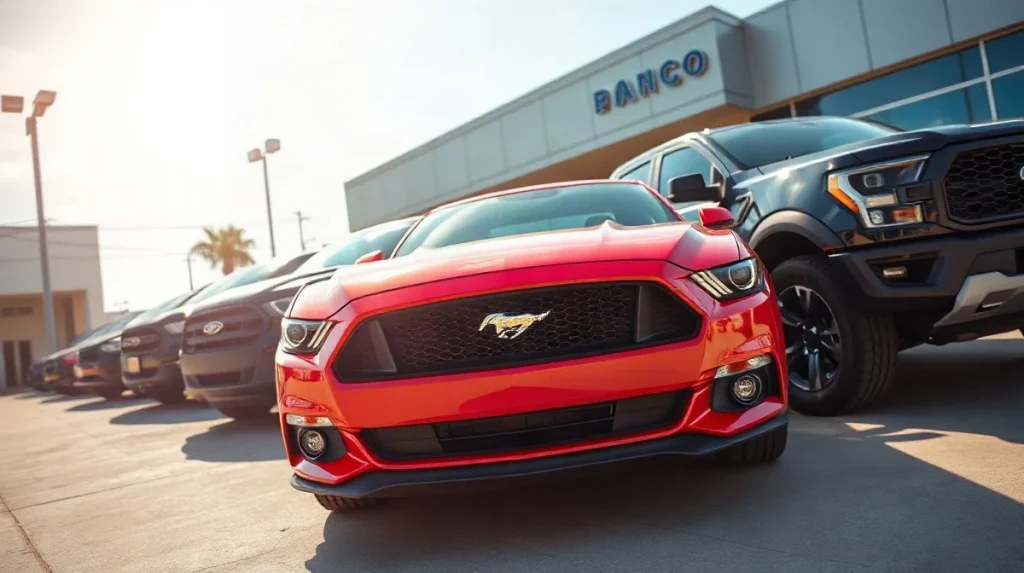
Four years after betting big on electric vehicles, California-based subscription startup Autonomy is reversing course. On Wednesday, the company announced it will add internal combustion engine (ICE) vehicles to its fleet for the first time, turning to familiar gas-powered Ford models to keep its car subscription dream alive.
The move marks a strategic reset for Autonomy, which in 2022 pledged to buy 23,000 EVs from 17 automakers, including Tesla. That ambition collapsed within a year as an EV price war — ignited by Elon Musk to defend Tesla’s market share — crushed the residual value of Autonomy’s fleet. The company’s holdings, which never grew much beyond 1,000 vehicles, lost roughly a third of their value, forcing founder Scott Painter (who also created TrueCar) to bail out the business.
Also read: GM and Ford Are Quietly Pivoting Away From EVs — the Earnings Call Data Shows How
Why Autonomy is adding gas vehicles now
Autonomy’s new lineup will feature gas-powered Ford vehicles, including the Mustang, Ranger and F-150 pickups, as well as SUVs like the Bronco Sport, Escape and Explorer. The company is sourcing the vehicles from Los Angeles-based Galpin Motors and initially offering them in California. Autonomy also operates in Arizona, Florida, Texas, New York, North Carolina and Washington, and said it will work with other dealer partners in those markets.
“If you’re going to be successful in anything, you’ve got to give the customer what the customer wants,” Autonomy’s CEO, Fred Weick, told TechCrunch in an exclusive interview. “There’s very few examples, I think, in history, of creating things customers didn’t know they wanted.”
Also read: Tesla Q3 Deliveries Beat Estimates at 486,532 Vehicles
The pivot comes as new car prices routinely exceed $50,000 and used car prices remain elevated. Weick, who spent more than 20 years at Mercedes-Benz, said rising prices are squeezing out buyers with low credit scores or no credit history at all.
Autonomy charges a one-time fee — currently $1,000 for EVs — plus a monthly subscription that varies by model. After the first month, customers can cancel at any time. The company is targeting four specific groups with the ICE push: university students, military families, foreign workers, and people who want a “company car” experience.
A bumpy road for EV fleet bets
Autonomy’s struggles are hardly unique. Hertz made headlines in 2021 when it announced plans to buy up to 100,000 Teslas, but by 2024 the rental giant was selling off most of its EV fleet in favor of gas vehicles. The broader industry’s enthusiasm for electric mobility has cooled as charging infrastructure remains uneven and upfront costs stay high.
Autonomy currently maintains a fleet of just over 500 electric cars — a far cry from the 23,000 it once promised. But Weick insists the company still sees interest in EVs, especially in California, where adoption has been strongest.
“The crux of the interest is easy and quick access to mobility without all the headaches that come with the old school way of buying cars,” he said. “The past business models were all about trying to fit a new concept into old shoes, and that doesn’t work.”
The subscription model itself has had a rocky history. Major automakers like Cadillac and Porsche experimented with similar services in the early 2020s, only to wind them down as costs proved difficult to manage. Autonomy’s survival — and now its pivot to gas — will test whether the concept can work when paired with a more traditional powertrain.
For customers, the appeal is straightforward: access to a vehicle without a long-term loan or lease commitment. For Autonomy, the challenge is making the economics work at a time when both new and used vehicle prices are straining household budgets.
This article is for informational purposes only and does not constitute financial advice. Vehicle subscription terms, pricing, and availability are subject to change, and the automotive market remains volatile.

Source: TechCrunch
Benjamin Carter covers business, finance, and the stock market for StockPil, focusing on the trends and data that matter to everyday investors.
More from Benjamin →