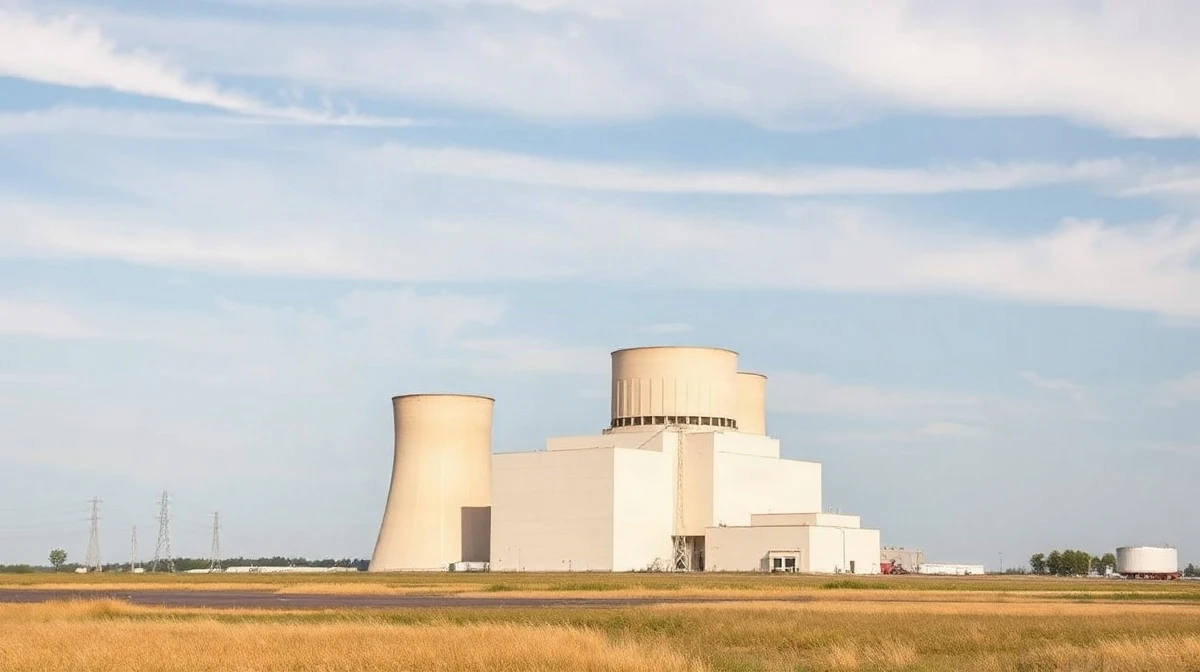
The U.S. Department of Energy has approved a $1.9 billion loan to NextEra Energy to refurbish the Duane Arnold Energy Center in Iowa, a nuclear plant that Google intends to use to power its artificial intelligence data centers. The loan, announced this week, marks the second major federal financing package for a shuttered nuclear facility, signaling a broader government push to revive atomic power for the tech sector’s surging electricity needs.
Last year, the DOE extended a $1 billion loan to Constellation Energy to restart a reactor at Three Mile Island in Pennsylvania. Deputy Secretary of Energy James Danly said the Iowa restart would “drive down electricity costs,” though he did not elaborate on the mechanism. The loan comes as the Trump administration has made nuclear power a cornerstone of its energy policy, particularly to meet the demand from data centers and the broader electrification of the economy.
Also read: These are the 10 fastest-growing jobs in America through 2035, according to the BLS
From Storm Damage to Strategic Asset
Duane Arnold, located near Cedar Rapids, has been offline since 2020, when a severe rainstorm damaged its cooling towers. Rather than invest in repairs, NextEra decided to mothball the plant, as cheap natural gas had made nuclear power economically unattractive. At the time, electricity demand was stagnant, and the plant’s 601-megawatt capacity seemed surplus to requirements.
Six years later, the calculus has shifted. The rapid expansion of AI has driven a sharp increase in electricity demand, with data centers projected to nearly triple their consumption by 2035. Utilities and power providers, once complacent, are now scrambling to secure new sources of generation. Nuclear power, with its ability to deliver clean, firm, around-the-clock electricity, has become a favored option.
Also read: School Bus Driver Shortage Persists as Districts Raise Pay and Get Creative to Fill Routes
NextEra CEO John Ketchum said during an earnings call last year that only 50 megawatts of the plant’s output will be reserved for the local power cooperative, which covers 18% of Iowa’s demand growth since 2021. The rest is expected to be contracted to Google, which is reportedly looking to build up to six data centers near the plant. Google first announced its intention to revive the plant in October 2025, but the company has not disclosed the terms of its power purchase agreement.
A Wider Nuclear Revival
Duane Arnold is part of a small but significant wave of nuclear restarts. Microsoft signed a deal with Constellation Energy two years ago to restart a reactor at Three Mile Island that last operated in 2019. That reactor is scheduled to come back online in 2028, generating 835 megawatts.
In Illinois, Constellation’s Clinton Clean Energy Center was on the brink of closure before Meta stepped in to purchase all of its clean energy attributes. The 1.1-gigawatt plant will continue to send electricity to the local grid, while Meta will use the associated certificates to offset emissions from its operations, including its planned Hyperion AI data center, which would require the output of ten natural gas plants and consume more electricity than the entire state of South Dakota.
These three projects represent the “low-hanging fruit” of U.S. nuclear revival, according to industry analysts. A report from UtilityDive suggests there may be one or two more viable candidates, such as the San Onofre plant in California, but those have been shuttered for longer and would require significantly more investment to bring back online.
What This Means for the Grid and the Climate
The federal loans signal a clear policy direction: the government is willing to back nuclear power as a key solution to the energy demands of AI and the transition away from fossil fuels. For utilities and tech companies alike, restarting existing plants is faster and cheaper than building new ones, though it still requires substantial capital and regulatory approval.
For local communities, the restart brings jobs and tax revenue, but also raises questions about the allocation of power. With only a fraction of Duane Arnold’s output earmarked for the local grid, some Iowans may see limited direct benefit, even as the plant’s restart is framed as a win for the region.
For the climate, the revival of nuclear power is a mixed blessing. It provides carbon-free electricity, but the plants are expensive to refurbish, and the waste remains a long-term concern. Still, for a tech industry facing mounting pressure to reduce its carbon footprint, nuclear offers a reliable path forward.
As the 2029 restart date approaches, all eyes will be on NextEra and Google to deliver on their promises. The loan is a strong signal of federal support, but the real test will be whether the plant can come online on time and at the promised capacity. For now, the nuclear revival is moving forward, one reactor at a time.
This article is for informational purposes only and does not constitute financial advice. The energy market is volatile and subject to regulatory changes; readers should conduct their own research before making any investment decisions.


Warning: Attempt to read property "term_id" on false in /www/wwwroot/stockpil.com/wp-content/themes/flex-mag/functions.php on line 998