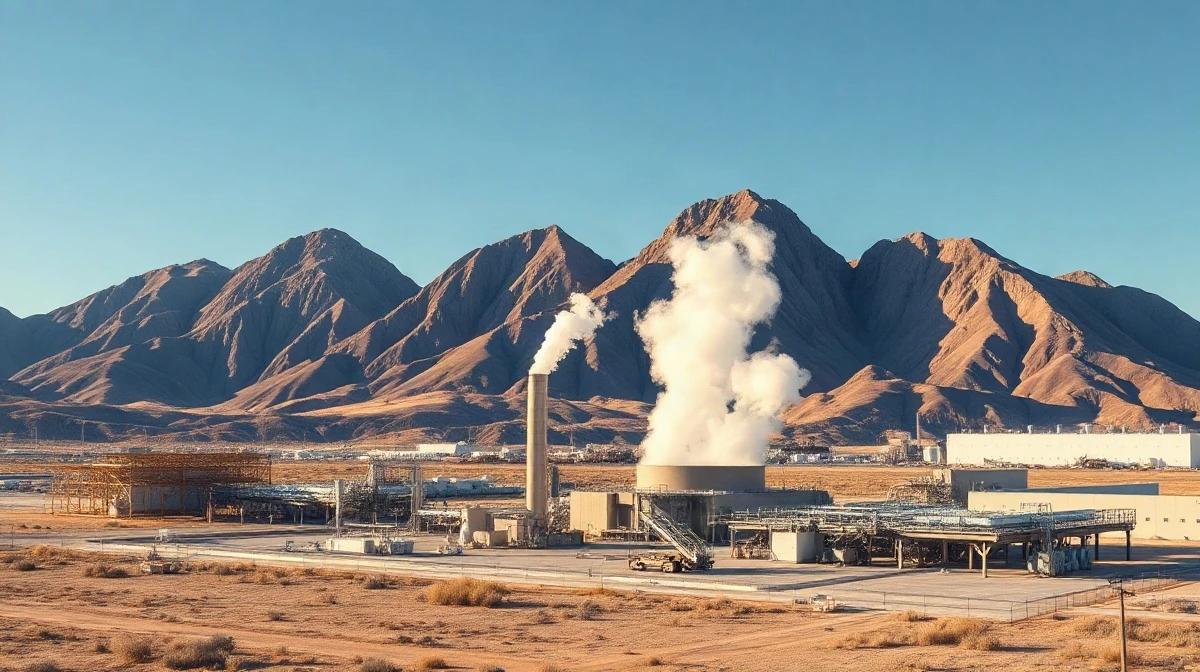
Google has agreed to purchase 396 megawatts of electricity from Fervo Energy’s Cape Station geothermal plant in Utah, the companies announced Tuesday, in a deal that underscores the growing demand for clean, firm power from data center operators. The power purchase agreement (PPA) is intended to supply a planned Google data center in Utah, with the electricity expected to flow starting in 2028. Google also holds an option through June 2030 to buy an additional 600 megawatts from the same facility.
The agreement marks one of the largest corporate geothermal deals to date and signals a shift in how hyperscale cloud providers are sourcing power for energy-intensive AI workloads. Fervo, a pioneer in enhanced geothermal systems, has been developing Cape Station as a flagship project capable of generating up to 2 gigawatts under its current permit, with third-party assessments suggesting the site’s heat resources could support roughly twice that capacity.
Also read: CD sales are making an unexpected comeback amid a retro tech boom
Why Google is turning to geothermal
Google has been one of the largest corporate purchasers of renewable energy in the U.S. for years, signing contracts for wind, solar, and battery storage to offset its electricity consumption. The company’s goal of reaching net-zero emissions by 2030, however, has become more complicated as its AI services drive electricity demand sharply higher.
In April, Google signed a deal with data center developer Crusoe for 933 megawatts of natural gas power in Texas, a move that drew criticism from climate advocates and complicated its emissions trajectory. The Fervo agreement provides a counterweight: geothermal offers carbon-free electricity that runs around the clock, unlike intermittent wind and solar.
Also read: Google brings Gemini voice assistant to Gmail, Docs, and Keep with 'Live' features
“Firm, clean power is exactly what data centers need, and geothermal delivers it without the emissions profile of natural gas,” said Sarah Jewett, Fervo’s senior vice president of strategy, in a statement.
Geothermal energy currently accounts for less than 1% of U.S. electricity generation, but enhanced geothermal technologies—which use hydraulic stimulation and horizontal drilling to access heat in hot, dry rock—could dramatically expand its potential. A recent U.S. Department of Energy report estimated that enhanced geothermal could eventually supply up to 57 terawatts of electricity nationwide, a figure that dwarfs current demand.
If Cape Station were fully developed to 4 gigawatts, it would roughly double the entire geothermal generating capacity in the United States, according to the same DOE analysis.
Fervo’s relationship with Google runs deep
The new PPA extends a partnership that began more than five years ago, when Google became one of the first buyers of electricity from Fervo’s early pilot projects. Google has also invested in Fervo’s funding rounds, including the final private round before the company went public.
Fervo’s stock surged about 30% on Tuesday following the announcement, though it gave back some gains in the following session as traders took profits. The company’s shares had fallen since its public market debut, reflecting broader headwinds for clean energy stocks and the capital-intensive nature of geothermal development.
The deal also highlights the growing competition among tech giants for reliable power. Microsoft, Amazon, and Meta have all announced data center projects in recent months, and utilities across the country are scrambling to meet surging demand from AI workloads. Geothermal’s ability to provide baseload power without carbon emissions makes it an attractive option, though development timelines remain long and costs are still higher than conventional renewables.
For Google, the Fervo PPA helps balance its energy portfolio as it works to reconcile its AI growth with its climate commitments. The company has said it remains on track to meet its 2030 net-zero goal, but the Crusoe gas deal and other fossil-fuel-backed contracts have raised questions about whether that target is achievable without significant offsets.
“This agreement is a meaningful step toward decarbonizing our electricity supply while supporting the reliable power our data centers need,” a Google spokesperson said.
The Cape Station project is expected to begin delivering power to the grid in 2028, with construction ongoing. Fervo has said it plans to continue expanding the site, and the company’s ability to deliver on its full 2-gigawatt permit—and potentially more—will be closely watched by the industry.
As data center demand continues to grow, deals like this one could become a template for how tech companies secure clean, firm power. The combination of Google’s financial muscle and Fervo’s technological progress may also accelerate investment in enhanced geothermal, which has long been seen as a promising but underdeveloped clean energy source.
This article is for informational purposes only and does not constitute financial advice. Energy markets and related investments are volatile and uncertain; readers should conduct their own research before making any decisions.