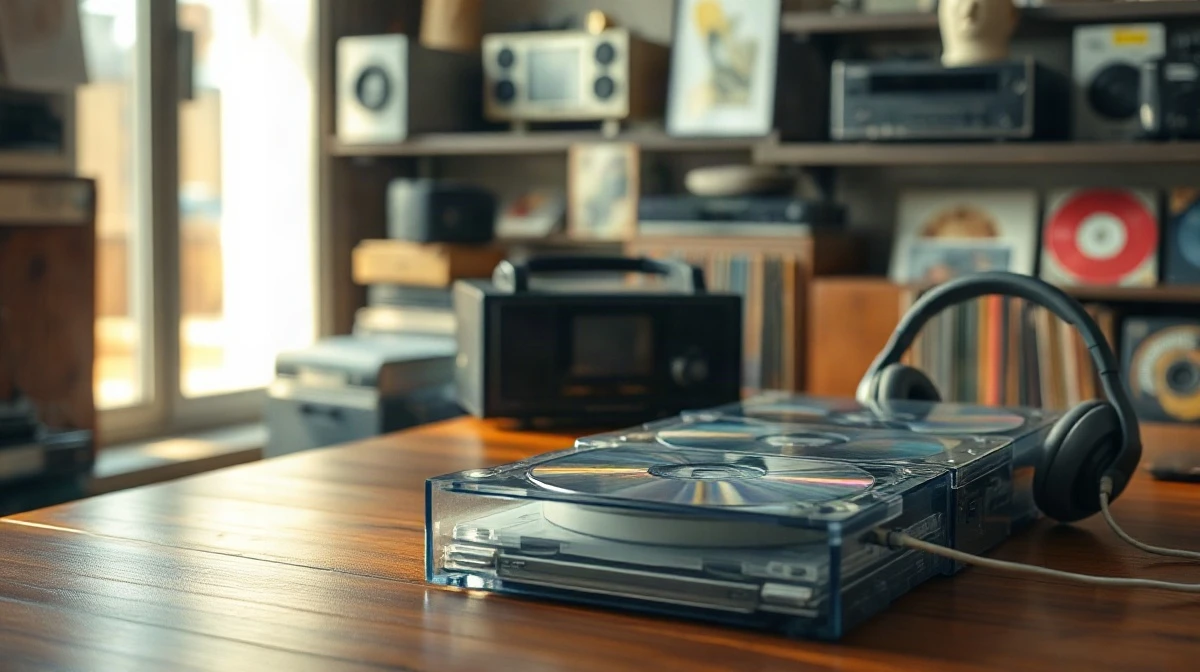
The compact disc, long relegated to the bargain bin of music history, is staging an unexpected comeback. The Recording Industry Association of America (RIAA) reported this week that CD sales generated $171.1 million in revenue during the first half of 2026, a 58.6% jump from the roughly $107.9 million recorded in the first half of 2025. Unit sales tell a similar story, climbing 45.7% to 17.5 million discs from about 12 million in the year-ago period.
The rebound marks a sharp reversal for a format that many had written off as obsolete. Just last year, the RIAA’s full-year report showed CD revenue had fallen 7.8% in 2025 to $312.4 million, down from $338.9 million in 2024, with unit sales dropping 11.6% to 29.5 million. That decline made this year’s sudden surge all the more striking.
Also read: Google brings Gemini voice assistant to Gmail, Docs, and Keep with 'Live' features
A Generation’s Nostalgia for Simpler Tech
The growth in CD sales is part of a broader cultural shift toward retro technology. Consumers, particularly Gen Z, are increasingly gravitating toward so-called “dumbphones,” digital cameras, typewriters, and landlines — devices that offer a more deliberate, less intrusive relationship with technology. For a generation raised on streaming algorithms and constant notifications, physical media represents a tangible connection to music that cannot be deleted from a cloud library or altered by an app update.
This sentiment has fueled a wave of startups catering to the demand for simpler devices. Companies like Tin Can, Ooma, and Pinwheel are producing modern landlines, while firms such as Light, Dumb Co, and Minimal are manufacturing non-smartphones. The trend has also boosted vintage tech marketplaces, with platforms like eBay and Retrospekt seeing increased traffic from younger buyers hunting for pre-owned gadgets.
Also read: Tesla launches Cybercab robotaxi in Austin: The bet that defines its future
What the RIAA Numbers Miss
The RIAA’s data, while impressive, likely understates the true scale of the CD revival. The report only tracks new physical product sold through verified retail channels. It does not account for the booming secondhand market — the discs bought from thrift store bins, garage sales, or handed down from Gen X parents to their children. These used sales represent a significant portion of how younger listeners are actually acquiring CDs today.
There is also a methodological caveat worth noting. The RIAA changed its calculation methodology in 2025, shifting from estimated retail value to wholesale value for dollar figures. This means the 2024 and 2025 revenue numbers are not directly comparable. However, unit sales — which are unaffected by the accounting change — confirm the same narrative: CDs were still declining through 2025 before this year’s unexpected turnaround.
Physical Media’s Broader Rally
CDs are not the only physical format enjoying a resurgence. Vinyl records continued their long-running growth streak, with revenue up 17.7% in the first half of 2026. Combined, physical media revenue jumped 25.9% to $731.5 million during the period, according to the RIAA. This sustained interest in tangible music formats suggests that the digital streaming era, while dominant, has not entirely erased the desire for ownership.
The trend also raises questions about the long-term trajectory of the music industry’s revenue mix. Streaming still accounts for the vast majority of industry income, but the consistent growth in physical formats — driven by a demographic that values the ritual of listening as much as the convenience of access — may encourage labels and artists to invest more in premium physical releases, box sets, and reissues.
For now, the CD’s comeback appears to be more than a passing fad, reflecting a genuine shift in consumer priorities toward owning and controlling their media in an increasingly digital world.
Disclaimer: This article is for informational purposes only and does not constitute financial advice. The music and technology markets are subject to change, and readers should conduct their own research before making any related decisions.