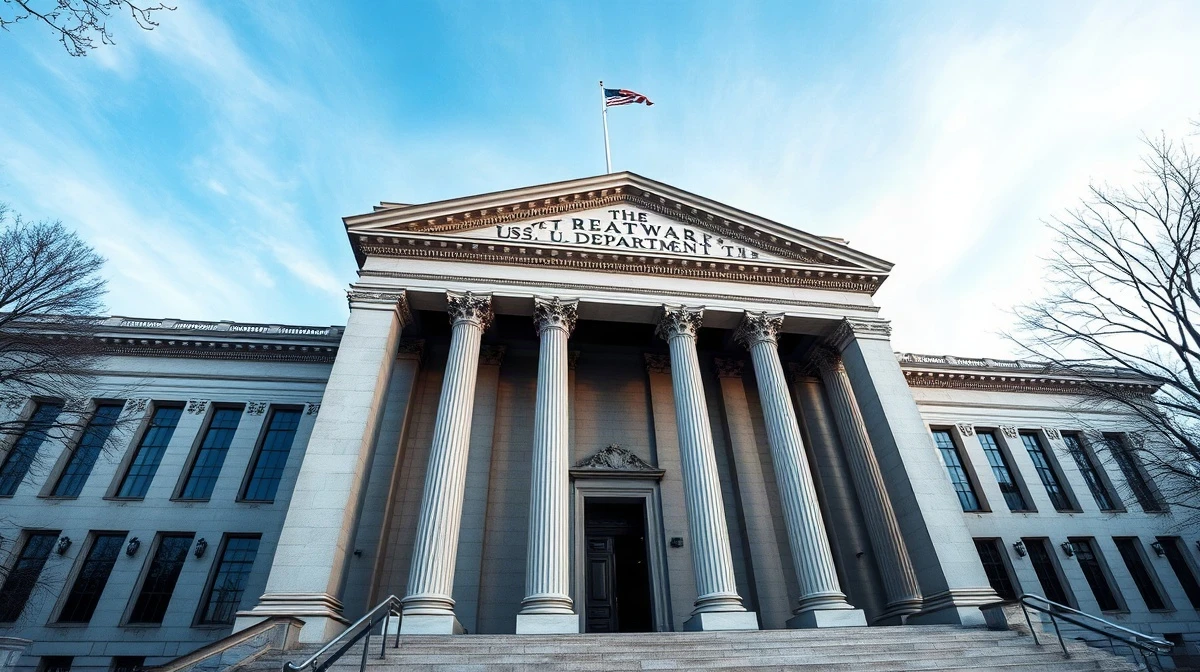
US Treasury Secretary Scott Bessent said on Sunday that recent moves in the Japanese Yen were “pretty well contained,” signaling that Washington does not view the currency’s renewed weakness as the kind of disorderly trading that triggered a rare joint US-Japan intervention last month, according to a Reuters report.
Bessent’s remarks, made during a weekend interview, represent the Biden administration’s most explicit public assessment of yen movements since the coordinated action in late July 2026, when the US and Japan sold dollars to support the Japanese currency. The dollar had then surged past 162 yen, its strongest level in nearly four decades, before the intervention pulled it back sharply.
Also read: EUR/USD Holds Near 1.1590 as Hawkish Fed Stance Caps Euro Gains
What Bessent’s Language Signals to Markets
The Treasury Secretary’s characterization matters because “disorderly” is the operative term in currency diplomacy. Under the G7’s longstanding exchange-rate accord, major economies agree to refrain from targeting specific levels but reserve the right to act when markets become chaotic. By declining to use that language now, Bessent effectively removed the threat of imminent US participation in another intervention.
Since the July action, the yen has drifted back toward the 158-160 range against the dollar, still weak by historical standards but roughly 2-3% off the extreme levels that prompted the coordinated response. The Japanese Ministry of Finance has repeatedly declined to comment on whether it would act again unilaterally, though officials in Tokyo have maintained their standard warning that they are “watching moves with a sense of urgency.”
Also read: South Korean Won Strengthens as Bank of Korea Delivers Back-to-Back Rate Hikes
The distinction between “contained” and “disorderly” also carries practical implications for traders. Hedge funds and institutional investors that had positioned for another round of intervention in early September may now reassess those bets, potentially reducing volatility in the USD/JPY pair over the coming sessions.
Intervention Politics and the Path Ahead
The July joint action was notable not just for its scale — estimated at roughly $35-40 billion by market analysts — but for the political context. It marked the first time the United States had joined Japan in a coordinated yen-buying operation since 1998, reflecting a shift in Washington’s tolerance for currency weakness that undermines the competitiveness of allied economies.
Bessent’s latest comments suggest that tolerance has not evaporated, but that the threshold for another joint move remains high. The Treasury Department has consistently framed intervention as a tool of last resort, preferring to let market forces and interest rate differentials play out. With the Federal Reserve having signaled a patient approach to further rate cuts, the yield gap between US and Japanese government bonds — the primary driver of yen weakness — is likely to persist for now.
For Japanese policymakers, the immediate question is whether the yen’s current level proves stable enough to avoid renewed pressure. The Bank of Japan’s policy meeting later this month will be closely watched for any shift in its gradual normalization path, which remains the most credible lever for supporting the currency over the medium term. A rate hike of 15 basis points is currently priced in by overnight index swaps, though BoJ officials have offered no firm guidance.
For now, Bessent’s framing gives both governments room to maneuver. It calms immediate market nerves without ruling out future action, and it avoids the diplomatic friction that would follow if Washington openly criticized Tokyo’s handling of its own currency. The coming weeks will test whether that measured tone holds as the yen approaches levels that previously proved untenable.
This article is for informational purposes only and does not constitute financial advice. Currency markets are highly volatile and speculative trading carries significant risk. Readers should conduct their own research or consult a licensed financial advisor before making any investment decisions.